Graham Vows Expanded Military Pressure, Declares 'Cuba Is Next'
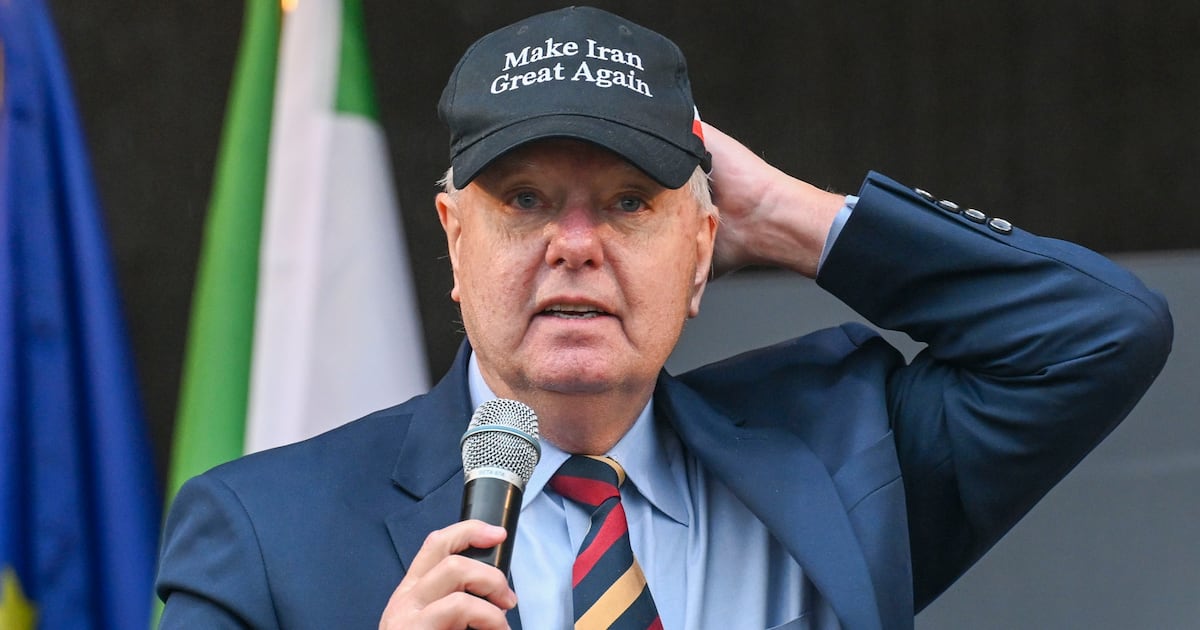
Sen. Lindsey Graham said the U.S. will broaden pressure beyond Iran, held a 'Free Cuba' hat, and warned of major strikes and regional involvement in the coming weeks.
 Salon
Salon"Stay tuned": Graham promises "Cuba is next" in a global war against "bad guys"
 Daily Beast
Bloodthirsty MAGA Senator Squeals for More War Destruction

 Joe.My.God.
Graham: Billions On War Is "Best Money Ever Spent" - Joe.My.God.

 Raw Story
Trump ally stuns with war proclamation: 'We're going to blow the hell out of these people'
Overview
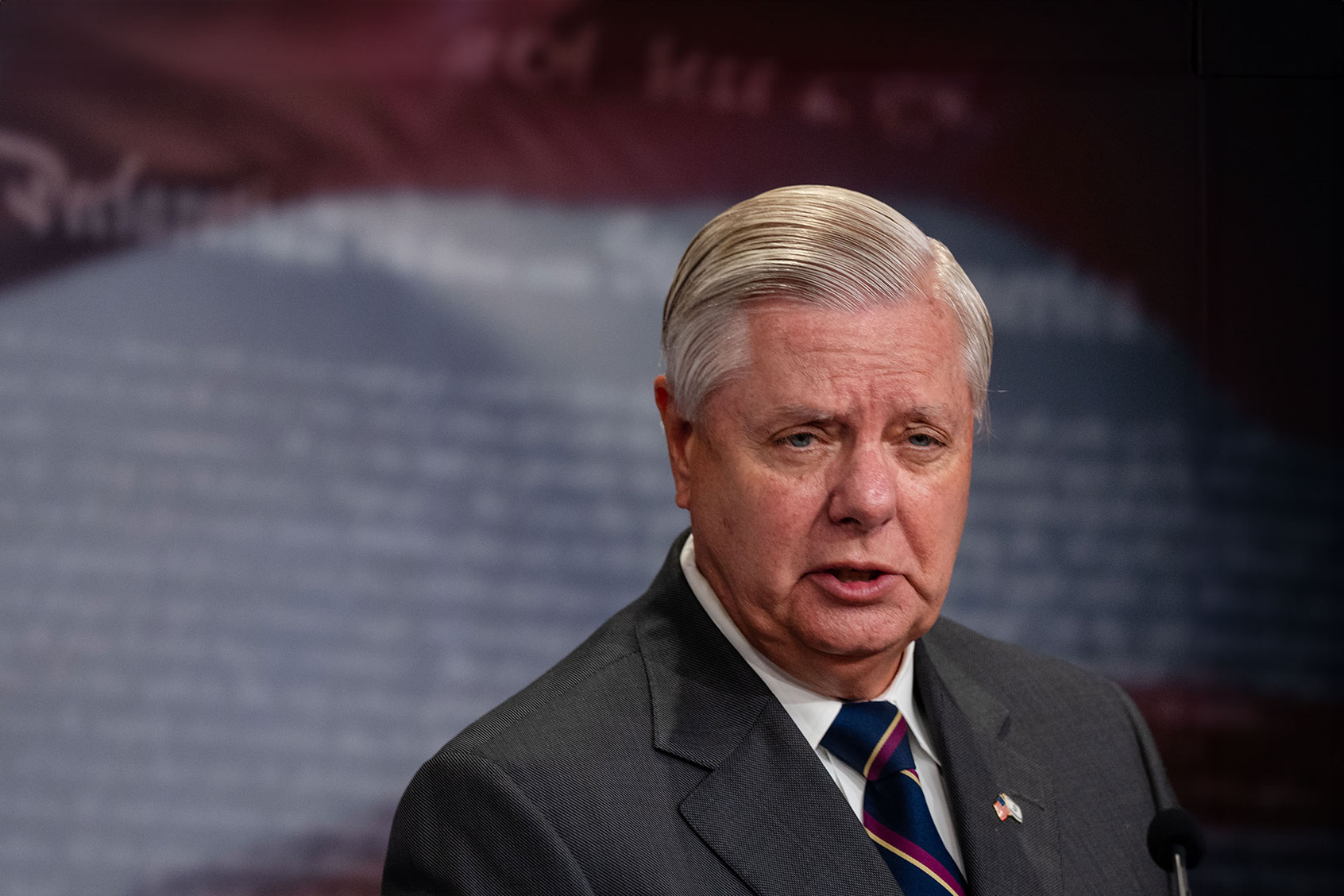
Sen. Lindsey Graham said on Fox News's Sunday Morning Futures that 'Iran is going down' and warned 'Cuba is next' while holding a 'Free Cuba' hat.
Graham's remarks followed U.S. and Israeli strikes on Iran in late February, which he said have put the Iranian regime 'on death row'.
President Trump has said Cuba is 'in its last moments of life' and told reporters he will 'put Marco [Rubio] over there' to work on ending communist rule, according to his remarks.
During the interview, Bartiromo noted 'a billion dollars a day,' oil prices up 27% in a week, the president's $1.5 trillion defense budget request, and the Pentagon's $50 billion request for strikes.
He urged the UAE and the Saudis to strike Iran, said 'we're going to blow the hell out of these people,' and predicted developments in 'the next two weeks'.
Analysis
Analysis unavailable for this viewpoint.
FAQ
The Trump administration has taken several concrete steps to increase pressure on Cuba. In late January 2026, Trump signed an executive order designating Cuba as an "unusual and extraordinary threat" to US national security, establishing a national emergency framework that enables expanded punitive measures and increased economic and diplomatic pressure[1][2]. Secretary of State Marco Rubio has been engaged in high-level talks with Cuban officials, with Trump proposing what he called a "friendly takeover" and suggesting negotiations to "make a deal" with the regime[1]. The White House has also pointed to Cuba's economic vulnerabilities, citing the country's loss of Venezuelan support and Mexico's cessation of oil shipments as factors creating conditions for political change[1].
The US launched what appears to be a major military operation against Iran in late February 2026, following failed negotiations over Iran's nuclear armament program[1]. The strikes were carried out in coordination with Israel and prompted retaliatory Iranian strikes against multiple regional targets including Saudi Arabia, Qatar, the UAE, Bahrain, Kuwait, Iraq, Jordan, and Cyprus[1]. Defense Secretary Pete Hegseth stated the operation had a "clear, devastating, decisive mission" focused on destroying Iran's missile threat, its navy, and preventing nuclear weapons development, though he declined to specify details about potential ground forces or the operation's full scope[3].
Cuba is facing severe economic strain that the Trump administration is leveraging in its pressure campaign. According to White House statements, Cuba has experienced a major setback with the loss of support from Venezuela and Mexico's cessation of oil shipments[1]. Trump has described Cuba as suffering from acute shortages of money, oil, and food, portraying the country as potentially seeking American assistance during this deepening crisis[2]. This economic vulnerability is being presented by the administration as creating conditions for political change, with Trump framing negotiations as a path to transforming Cuba's government rather than through military confrontation[2].
Senator Lindsey Graham is a long-established supporter of military intervention abroad when countries do not operate in US interests[3]. He has backed military intervention in Iran for over a decade and has remained adamant about the possibility of toppling the current Iranian political order following recent US operations[3]. Graham has also pushed for expanded military action beyond Iran, urging allies like the UAE and Saudi Arabia to strike Iran and predicting significant regional developments in the coming weeks[3]. His consistent advocacy for military solutions reflects his broader foreign policy philosophy favoring assertive US military engagement globally.
Secretary of State Marco Rubio, who has Cuban heritage, has been directly engaged in high-level negotiations with Cuban officials[1]. Rubio has been explicit about the administration's objectives, telling reporters that "Cuba's status quo is unacceptable" and that "Cuba needs to change"[1]. Trump has indicated he will "put Marco [Rubio] over there" to work on ending communist rule in Cuba[1], positioning Rubio as a central figure in implementing the administration's Cuba policy through diplomatic negotiations rather than immediate military action[1].

