Starmer Holds Call With Trump Amid Rift Over Iran Strikes
Leaders discussed Middle East tensions and RAF-base cooperation after Trump publicly criticised the UK for initially blocking US use of bases and later allowing only defensive strikes.

 RedState
Starmer Cozies Up to Trump, While Tony Blair Slams Him for Not Supporting U.S. on Iran From Beginning
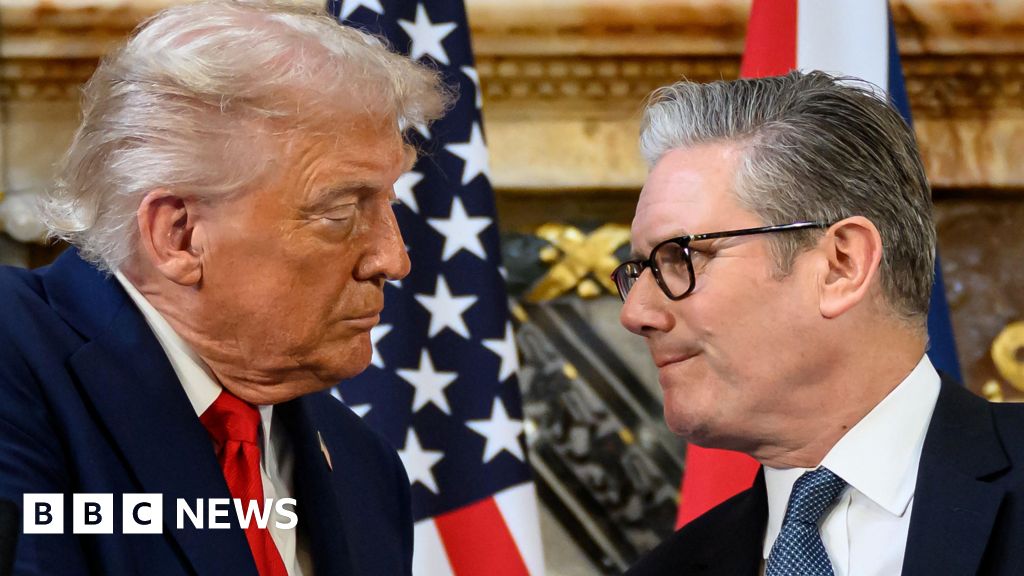
 BBC News
Starmer and Trump speak for first time since US president's Iran criticism
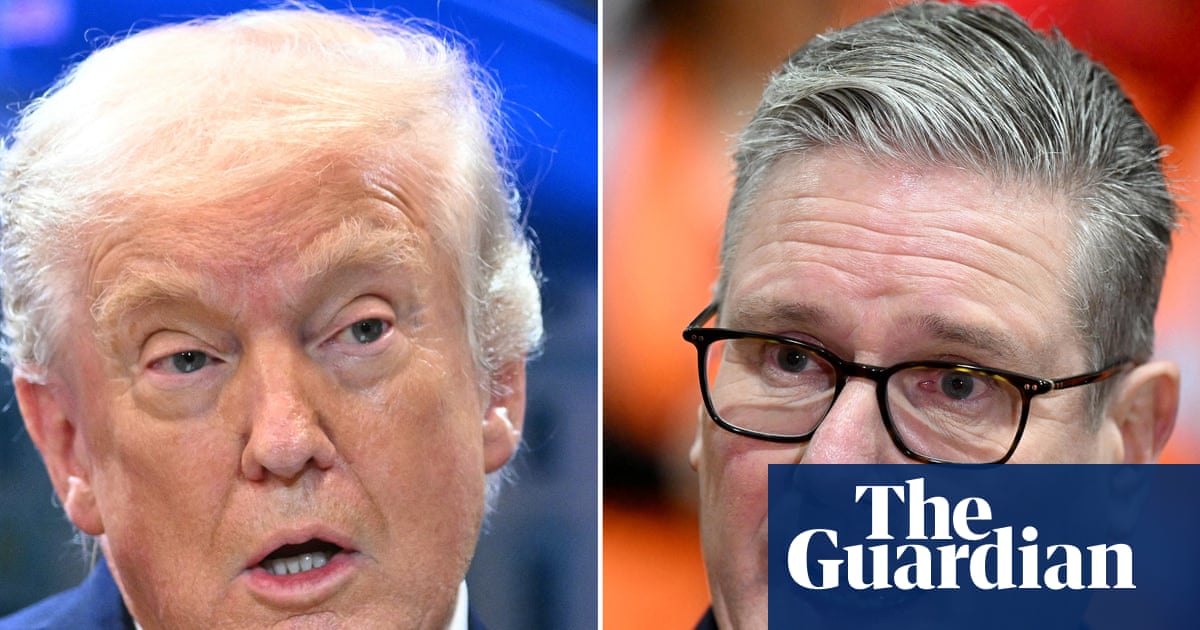
 The Guardian
Starmer speaks with Trump after president criticises lack of UK support for Iran strikes
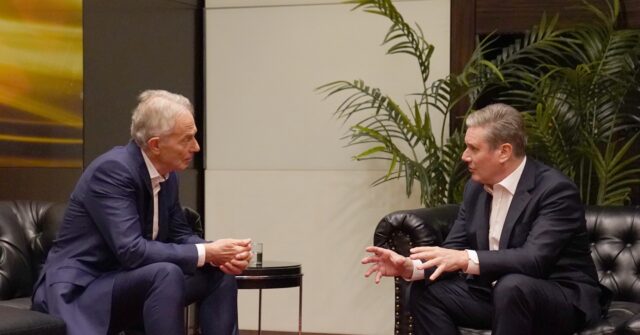
 Breitbart News
Former PM Blair Blasts Starmer for Damaging Relationship with Trump
Overview
Downing Street said Sir Keir Starmer and US President Donald Trump discussed the latest situation in the Middle East and military cooperation through the use of RAF bases in support of the collective self-defence of partners in the region.
The call followed public criticism from President Trump after the UK initially refused US requests to use British bases for opening strikes and later permitted only defensive use, and Trump wrote "we don't need people that join Wars after we've already won!"
Foreign Secretary Yvette Cooper said Starmer was right to stand up for Britain's interests and that the government would not agree with the president on every issue, according to her remarks on Sunday.
Two US Air Force transport planes and four US bombers landed at RAF Fairford, and the Ministry of Defence said the B-1 Lancer bombers were intended for specific defensive operations.
Downing Street said the leaders looked forward to speaking again soon.
Analysis
Center-leaning sources frame the story as a diplomatic spat that underscores UK restraint and sovereignty versus an agitated US president. Editorial choices — using evaluative language like "angrily criticised", foregrounding government defenses (Cooper, Downing Street) and detailing military readiness — emphasize UK prudence while treating US criticism and opposition attacks as counterpoints.
FAQ
The UK government justified allowing US operations from bases like RAF Fairford and Diego Garcia under the principle of collective self-defence of regional allies who requested support[1]. The UK attorney general clarified that while the UK is defending itself and its position in the region, it is also acting in collective self-defence of Gulf states that have requested assistance[1]. However, there remains ambiguity about whether the US is operating under UK authorization to implement London's self-defence rights, or whether the US is acting under its own independent authority[1].
The search results do not explicitly state Starmer's initial reasoning for refusing the request. However, the context suggests the UK was concerned about the legal implications and wanted to avoid becoming a party to a conflict that lacked a clear legal basis, leading to negotiations for a limited 'defensive' arrangement rather than supporting broader offensive operations[1].
The UK has deployed RAF Typhoon fighter jets from squadrons including No. 12 Squadron at the request of Qatar and from RAF Akrotiri and Al Udeid Air Base[2]. These aircraft are conducting defensive counter-air operations, which include cruise missile defence and drone combat air patrol[3]. Additionally, four RAF Typhoons from No. 12 Squadron have been assigned to intercept Iranian drones and missiles[2], with plans to deploy four additional fighter jets to Qatar[3].