Alexander Butterfield, Nixon Aide Who Exposed White House Tapes, Dies at 99
His 1973 testimony revealing Nixon's secret taping system set off subpoenas and a legal battle that helped lead to Nixon's resignation on Aug. 9, 1974.

 CNN
CNNAlexander Butterfield, former top Nixon White House aide whose testimony transformed Watergate investigation, dies | CNN Politics

 Daily Beast
Nixon Aide Who Revealed Watergate Tapes Dies at 99
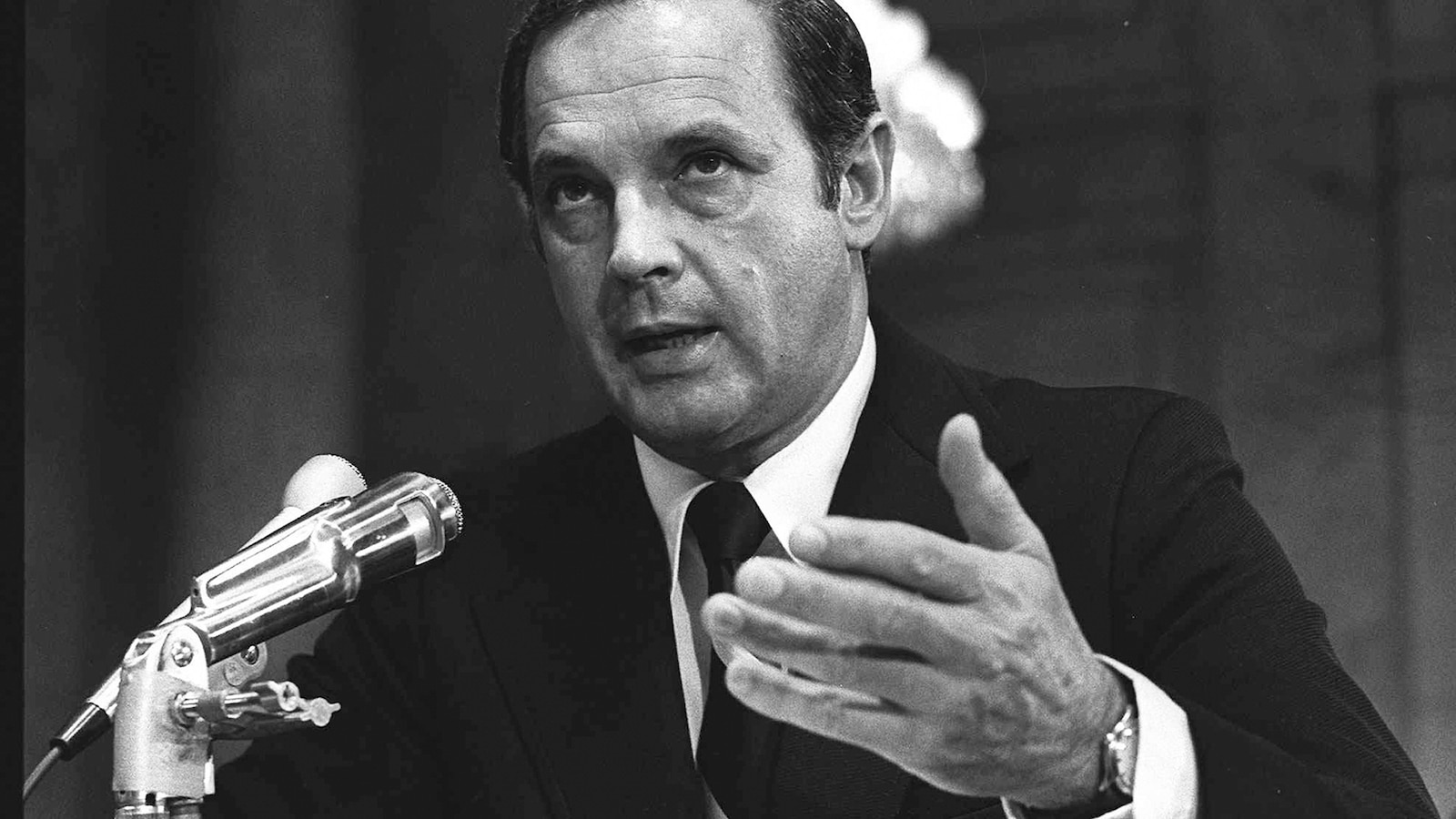
 ABC News
Alexander Butterfield, the Nixon aide who disclosed Watergate tapes, dies at 99
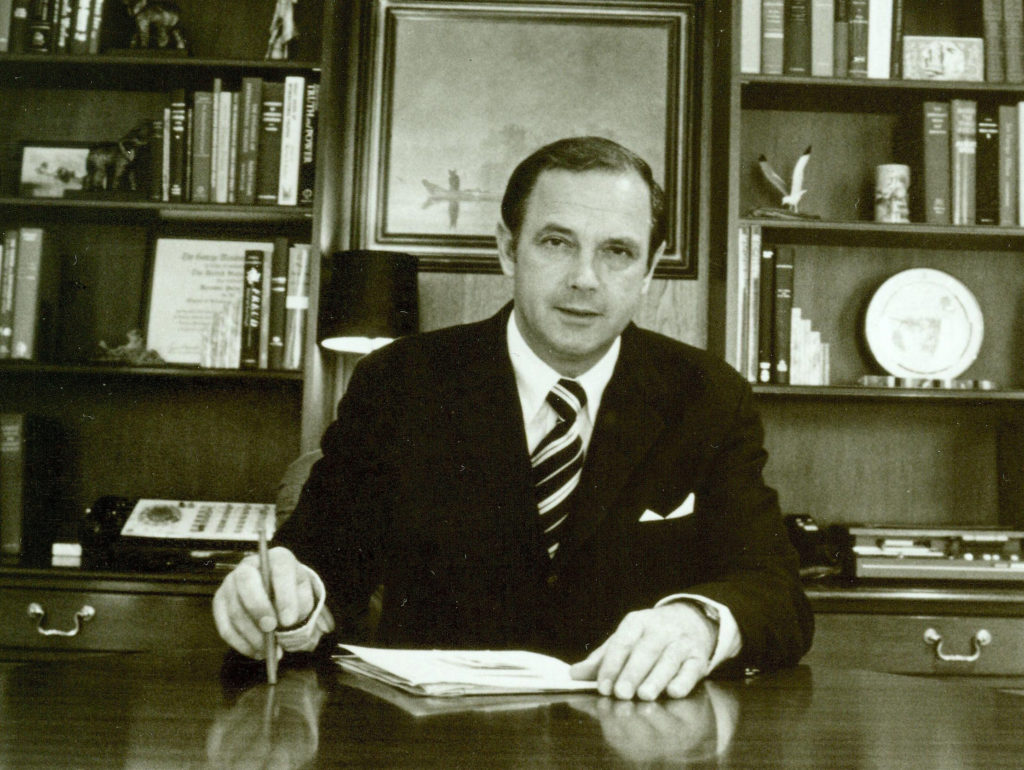
 PBS NewsHour
Alexander Butterfield, Nixon aide who disclosed Watergate tapes, dies at 99
Overview
Alexander Butterfield, the Nixon aide whose 1973 testimony disclosed the White House taping system, has died at 99, his wife Kim and John Dean confirmed.
Butterfield acknowledged the taping system after a July 13, 1973 private interview and a July 16, 1973 public Senate hearing, which opened investigators to recorded evidence in the Watergate probe.
The disclosure prompted subpoenas by the Senate committee and special prosecutor Archibald Cox, and Nixon's refusal to comply led to the 'Saturday Night Massacre' when he sought someone in Justice to fire Cox.
The voice-activated taping system recorded conversations in four locations, including the Executive Office Building and Camp David, producing thousands of hours of tapes now controlled by the National Archives.
Butterfield later served as FAA administrator before resigning in 1975, worked in the private sector, and his interviews and documents informed Bob Woodward's 2016 book 'The Last of the President's Men.'
Analysis
Center-leaning sources are largely neutral here: reporting anchors evaluative language to named sources (Butterfield, John Dean, tapes) and focuses on verifiable facts (Senate hearing, Supreme Court ruling, career milestones). Biographical balance—military service, FAA role, later work—offsets critical material attributed to Butterfield rather than asserted by sources.
FAQ
Butterfield disclosed on July 13, 1973, in a private interview and July 16, 1973, in public Senate testimony that Nixon had a secret voice-activated taping system recording conversations in four locations, including the Oval Office, Executive Office Building, and Camp David.
His revelation prompted subpoenas for the tapes by the Senate committee and special prosecutor Archibald Cox, leading to Nixon's refusal, the Saturday Night Massacre, Supreme Court ruling, and Nixon's resignation on August 9, 1974.
Butterfield served as deputy assistant to President Nixon from 1969 to 1973, acting as a powerful aide next to H.R. Haldeman, controlling Nixon's paperwork, daily schedule, meetings, and overseeing FBI investigations requested by the White House.
Butterfield served as FAA administrator from 1973 to 1975 before resigning, then worked in the private sector, and his interviews informed Bob Woodward's 2016 book 'The Last of the President's Men.'
Besides Nixon and Butterfield, only White House chief of staff H.R. Haldeman, a Haldeman assistant, and a handful of Secret Service agents knew about the system.