DOJ's Surprise Settlement Keeps Live Nation and Ticketmaster Intact
DOJ and Live Nation informed the court on March 8 of a tentative settlement to avoid breaking up Ticketmaster, drawing state opposition and court scrutiny.

 Semafor
Live Nation settles antitrust case with US DOJ
 World News Group
Live Nation reaches monopoly case settlement with DOJ

 Reason
Live Nation settled its lawsuit with the feds. Don’t expect concert tickets to get any cheaper.
 AlterNet
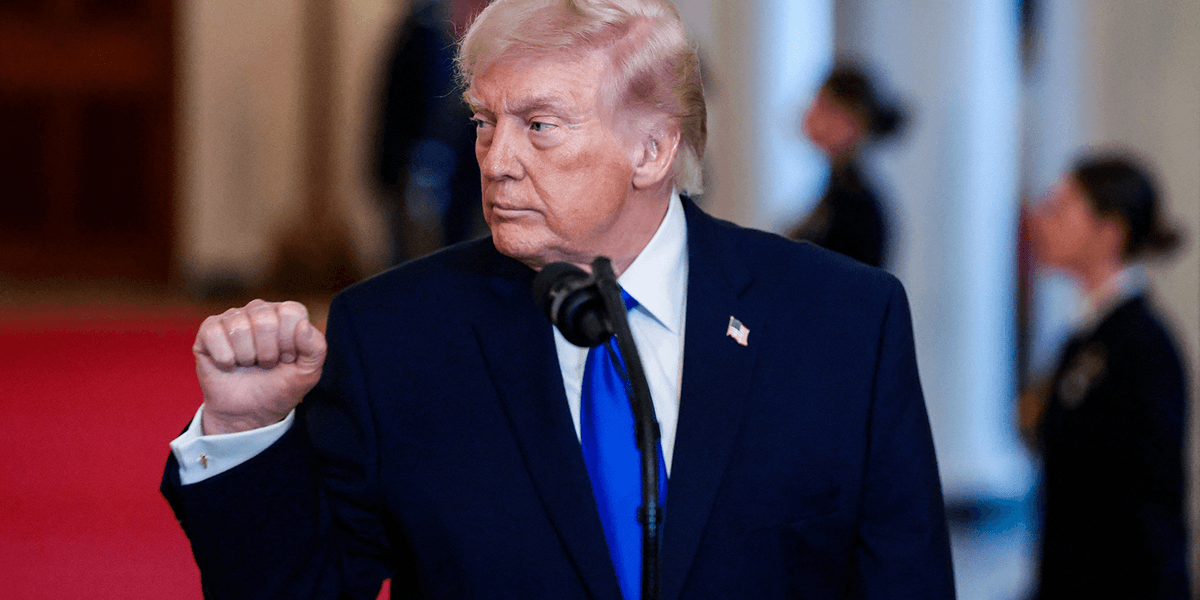
Trump admin settles another lawsuit 'while no one's looking'
Overview
On March 8 the DOJ and Live Nation informed the court of a proposed settlement halting DOJ's bid to break up Ticketmaster, a move the presiding judge called 'absolutely unacceptable,' court reporting said.
The settlement emerged after testimony began last week in the U.S. District Court for the Southern District of New York in a 2024 suit alleging Live Nation operated an illegal monopoly and seeking Ticketmaster divestiture.
Attorneys general from roughly 26 to 27 states and the District of Columbia rejected the DOJ deal and filed a motion for mistrial, according to court filings and attorney statements.
The disclosed terms would cap service fees at 15%, require divestiture of at least 13 venues or agreements, and provide up to $280 million to resolve claims, DOJ and Live Nation said.
The judge scheduled a hearing requiring Live Nation's CEO and the DOJ signatory to testify, and states asked for time to prepare a new trial while reserving the right to continue litigation, court filings show.
Analysis
Center-leaning sources frame the settlement as a contentious federal retreat that favors Live Nation, using dramatic courtroom language and selective sourcing. They foreground the judge’s scolding and critical experts, highlight artists’ and state attorneys general’s objections, and juxtapose company statements and investor relief, producing a narrative of controversy and unresolved consumer harm.
FAQ
The settlement requires Live Nation to pay $200-280 million in damages, divest more than 10-13 amphitheaters, cap Ticketmaster service fees at 15% at those venues, limit exclusivity contracts to 4 years, and allow venues to allocate some tickets to competitors.
Attorneys general from 26-40 states and D.C. rejected the deal, filed a motion for mistrial, and sought time for a new trial, opposing the halt to the DOJ's breakup bid.
The 2024 lawsuit by DOJ and 40 state AGs alleged Live Nation maintained an illegal monopoly via control of ticketing (Ticketmaster), venues (78% of major amphitheaters), and promotions, harming fans with high fees and limiting competition.
The judge called the settlement 'absolutely unacceptable,' scheduled a hearing with Live Nation's CEO and DOJ signatory to testify, amid state motions for mistrial and a new trial.
Backlash arose from high fees, ticket access issues like the Taylor Swift Eras Tour presale crash, and bipartisan Senate hearings in 2023 labeling it a monopoly.
