Senate GOP Splits Over SAVE Act as Thune Rejects Filibuster Push
Thune doubts talking filibuster; Trump demands additions and threatens not to sign bills; GOP divided on path forward.
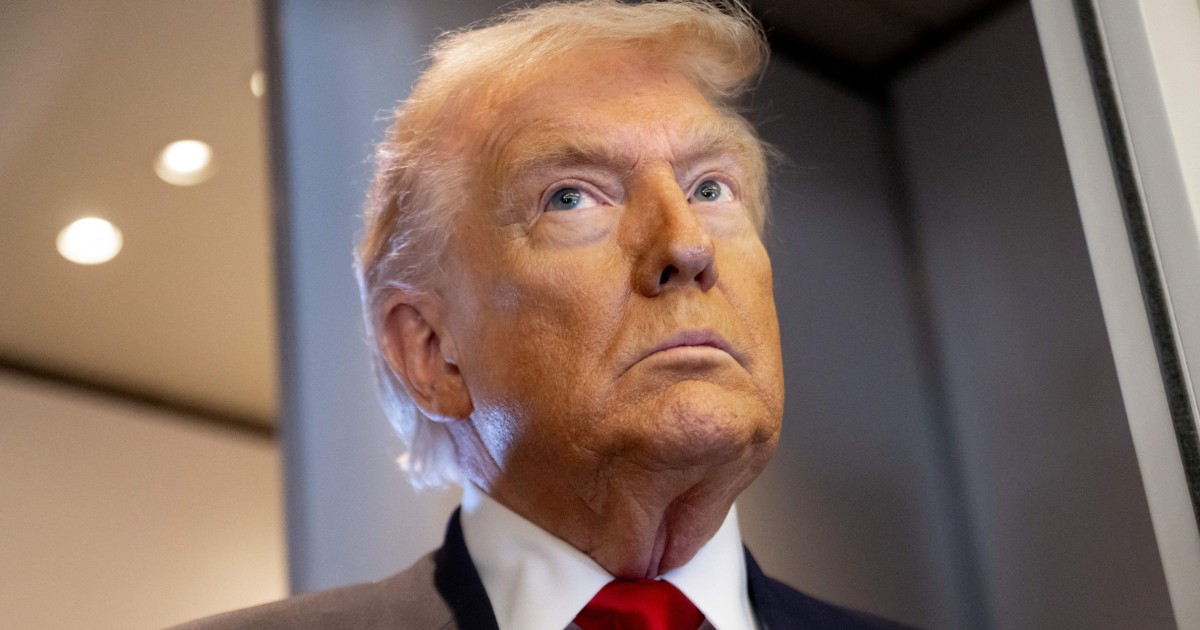
 NBC News
Senate Republicans splinter over SAVE America Act's path as Trump calls for more revisions

 The Gateway Pundit
RINO Leader John Thune STABS Trump in the Back Again, Refuses to Nuke the Filibuster to Pass SAVE America Act: 'That's Not Going to Happen" | The Gateway Pundit | by Jim Hᴏft
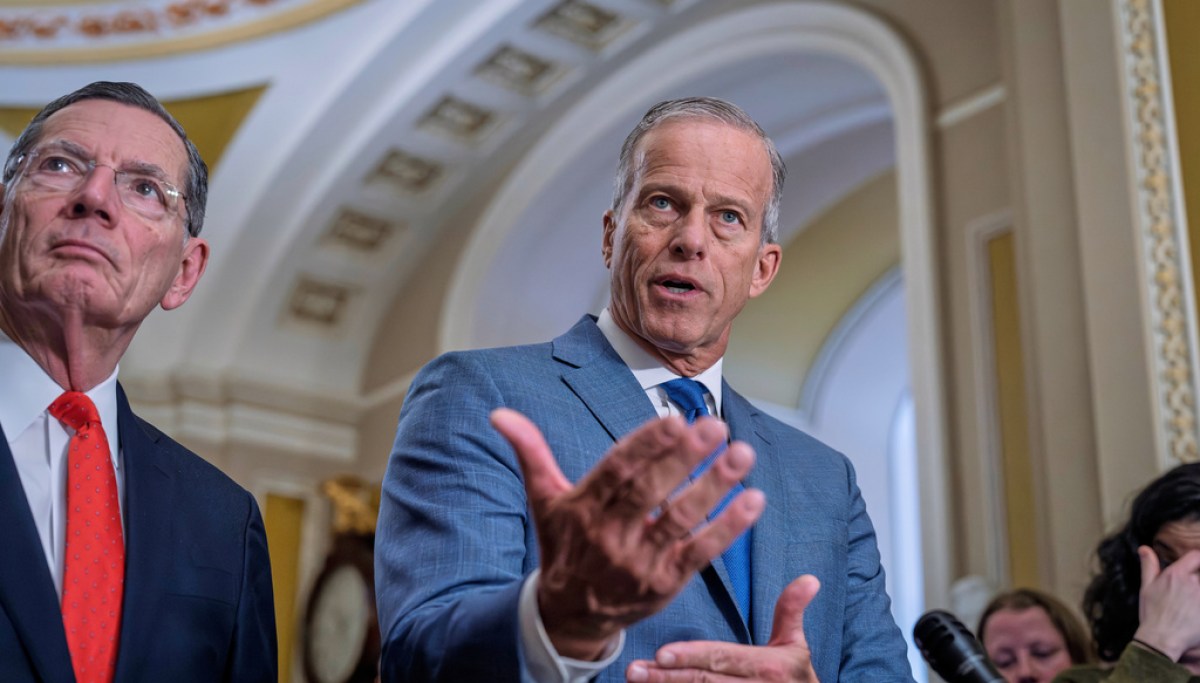
 Washington Examiner
Thune shrugs off MAGA pressure to pass the SAVE America Act
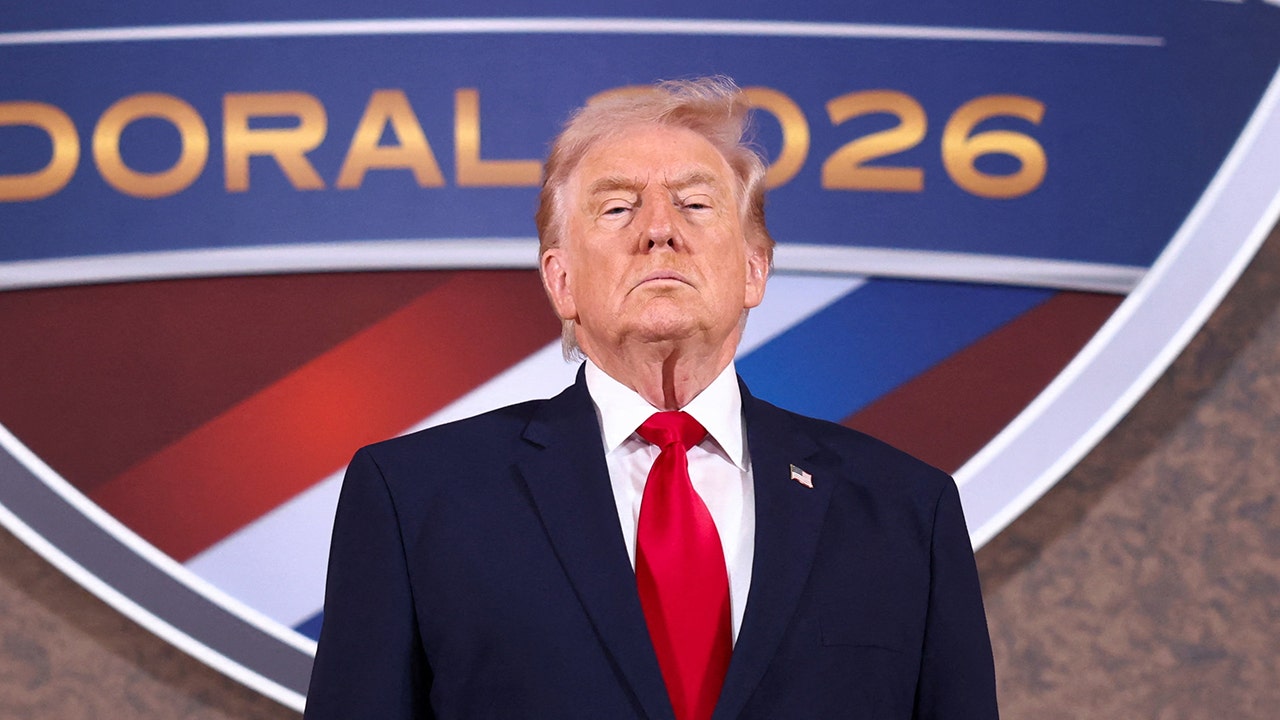
 FOX News
Trump, Thune clash on voter ID ultimatum as GOP remains divided on path forward
Overview
Senate Majority Leader John Thune said the path to passing the SAVE America Act is unclear and rejected using a 'talking filibuster' as a reliable way to pass it.
President Donald Trump urged adding provisions to the SAVE America Act and said he would not sign other bills until the bill is passed.
Sen. Mike Lee, the bill's sponsor, and Sen. Josh Hawley said they were willing to attempt a talking filibuster to press for passage.
Thune warned the Senate's 60-vote threshold and past experience make it hard to see a talking filibuster producing a successful outcome.
Thune said he will hold a Senate vote but warned he cannot guarantee the result, and he suggested the House could send another version if changes are added.
Analysis
Center-leaning sources frame the story as a Republican leadership struggle by foregrounding skepticism about the talking filibuster and procedural hurdles. They emphasize divisions through cautious language ("murkier," "unclear," "torrent of pressure"), prioritize pragmatic GOP voices like Thune and Kennedy, and juxtapose those editorial choices against Trump’s direct, inflammatory quotes as source content.
FAQ
The SAVE America Act requires documentary proof of U.S. citizenship, such as a birth certificate or passport, to register to vote in federal elections and imposes strict photo ID requirements for in-person and mail-in voting, overriding state processes.
Senate Majority Leader John Thune doubts the viability of a talking filibuster due to the 60-vote threshold and plans a vote without guaranteeing passage, while Sens. Mike Lee and Josh Hawley support attempting it; Trump demands additions and threatens to veto other bills.
Critics argue it would block millions of eligible voters without ready access to citizenship documents, burden groups like military voters and disaster victims, and impose stricter ID rules than most states without funding or transition periods.
The House passed it in February 2026; the Senate, led by Thune, will hold a vote but passage is uncertain, with a prior version failing due to opposition.