DHS Reactivates Global Entry Amid Partial Shutdown
DHS reactivated Global Entry on March 11 at 5:00 AM ET after pausing it on Feb. 22 amid a partial department shutdown that began Feb. 14.

 New York Post
DHS restarts key program used by frequent fliers amid ongoing shutdown

 ABC News
DHS restarts Global Entry program after travelers faced long airport lines
 Epoch Times
DHS Says It Restarted Global Entry Program
 CBS News
Global Entry program restored as DHS shutdown continues

 CNN
CNNTrump administration to restore Global Entry program as DHS shutdown impacts travel | CNN
Overview
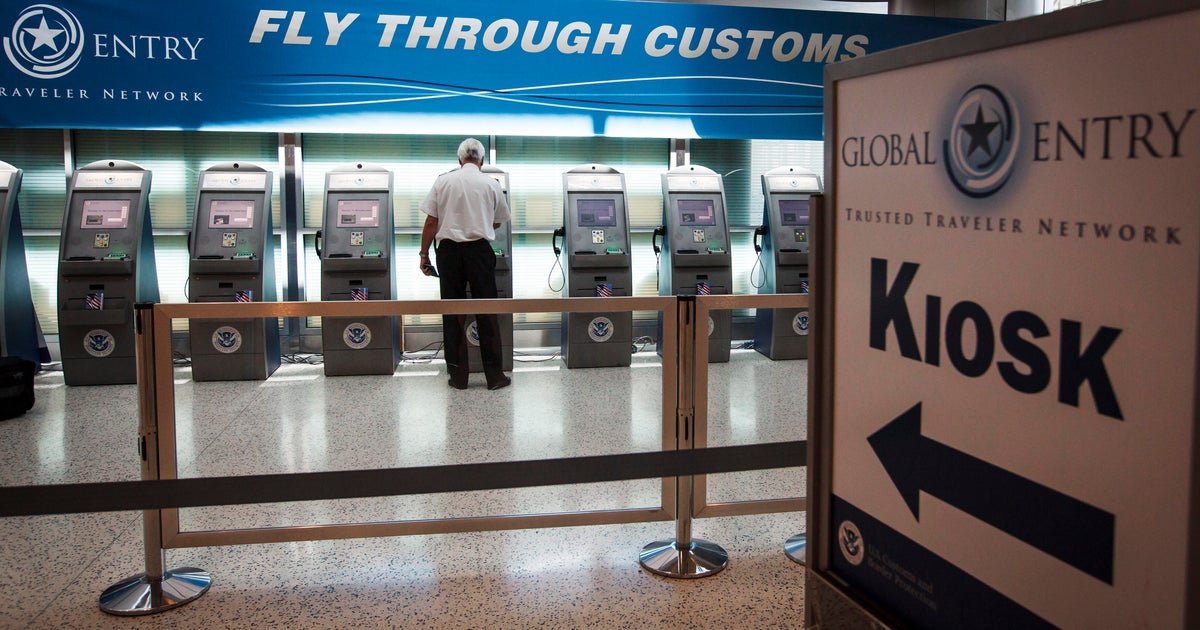
The Department of Homeland Security reactivated Global Entry on March 11 at 5:00 AM ET, a DHS spokesperson said.
Global Entry had been suspended on Feb. 22 after DHS funding lapsed on Feb. 14 during a partial shutdown.
A DHS spokesperson said the reactivation aims to ease traveler disruptions, and U.S. Travel Association CEO Geoff Freeman welcomed the decision.
The shutdown has affected about 13% of the federal civilian workforce, and officials reported unscheduled absences more than doubled with more than 300 employees leaving the agency.
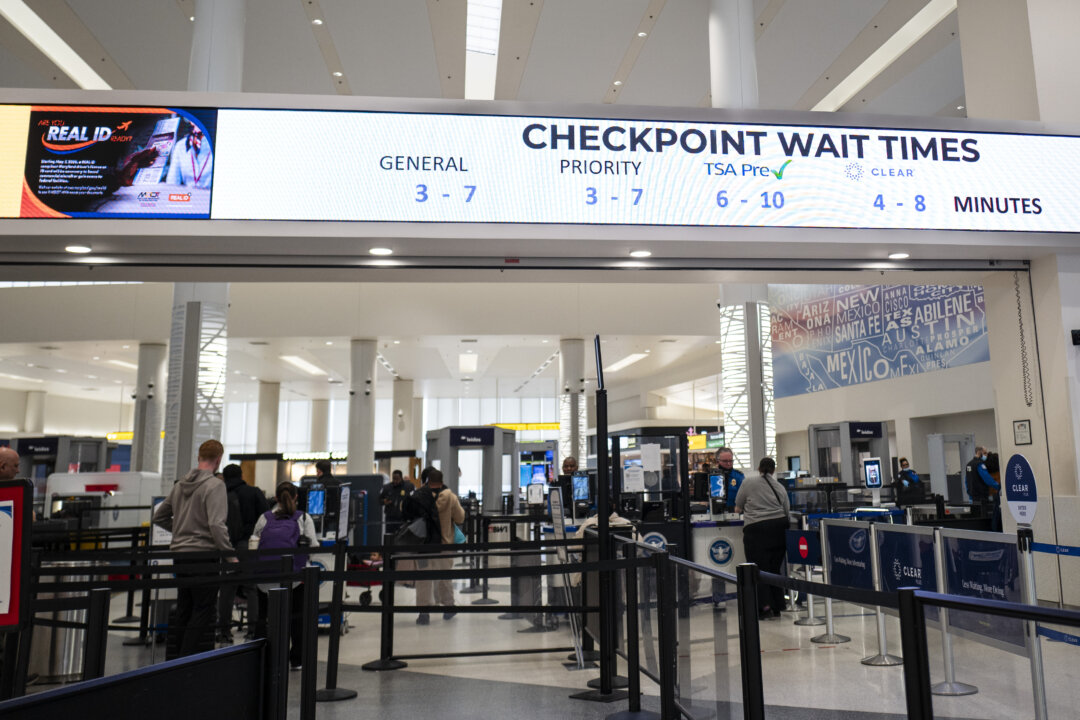
Officials said restoring Global Entry is intended to reduce long airport lines and that DHS will continually evaluate measures amid the funding standoff.
Analysis
Center-leaning sources frame the restoration as a response to operational strain and political fallout, emphasizing disruptions to travelers and TSA workers. Editorial choices — loaded verbs ("backtracked"), selection of industry and DHS spokespeople, and highlighted statistics (doubled absences, missed paychecks) — foreground agency dysfunction while treating quoted statements as source content.
FAQ
The partial shutdown began on February 14, 2026, when Homeland Security funding expired after Senate Democrats blocked H.R. 7744, the Department of Homeland Security Appropriations Act of 2026, preventing it from advancing.[1]
Global Entry was suspended on February 22 due to the funding lapse, and reactivated on March 11 at 5:00 AM ET to ease traveler disruptions and reduce long airport lines amid the ongoing shutdown.
It affects 13% of the federal civilian workforce, with unscheduled absences more than doubling and over 300 employees leaving; major components like TSA, FEMA, Coast Guard, and Secret Service are impacted, leading to limited cybersecurity, canceled training, and resource shortages.
The House passed H.R. 7744 on March 5, 2026, to fully fund DHS for FY2026, but it awaits Senate action amid negotiations influenced by U.S. military operations against Iran and heightened security threats.