Pentagon Probe Points to U.S. Missile in Deadly Iran School Strike
A preliminary Pentagon investigation found a U.S. munition likely hit the Shajareh Tayyebeh girls' school on Feb. 28 using outdated Defense Intelligence Agency targeting data, prompting a months-long probe.
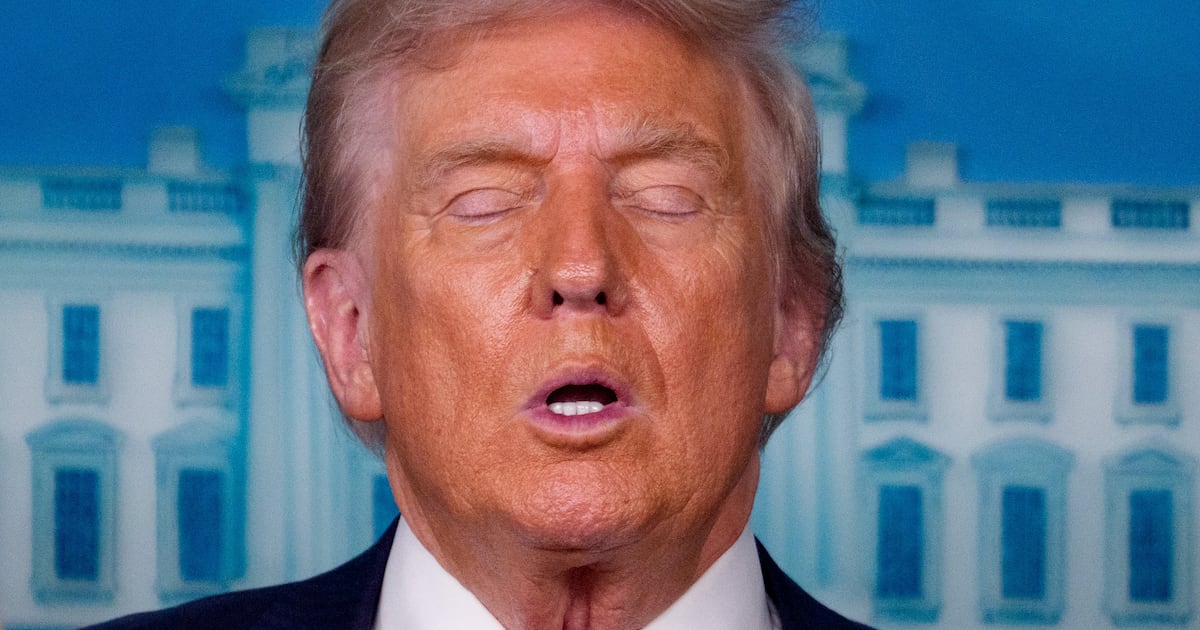
 Daily Beast
Secret Military Report Busts Open Trump’s School Strike Lies
 Associated Press
Outdated intel likely led US to carry out deadly strike on Iranian elementary school, AP sources say

 Straight Arrow News
Report finds targeting mistake led to US strike on Iran girls’ school

 Al Jazeera
How Trump has addressed the deadly Iran school bombing
Overview
A preliminary U.S. Pentagon investigation found that a U.S. munition likely struck the Shajareh Tayyebeh girls' school in Minab on Feb. 28, according to officials and reports.
The strike, on the opening day of the Iran War, killed mostly children and drew scrutiny after analyses linked missile fragments to a Tomahawk, a weapon used by the U.S. in the conflict.
More than 45 senators demanded answers from Defense Secretary Pete Hegseth, and the Pentagon opened a formal investigation expected to take months, officials said.
Reports put the death toll at roughly 165 to 175 people, mostly grade-school girls, and critics say cuts to the Civilian Protection Center of Excellence hampered civilian-harm safeguards.
Investigators will examine Defense Intelligence Agency targeting data and U.S. Central Command procedures to determine where a breakdown occurred and whether policy or accountability measures are needed, officials said.
Analysis
Center-leaning sources frame the story as U.S. responsibility for civilian harm by foregrounding policy decisions and expert criticism, using evaluative terms (e.g., "deprioritized"), privileging technical analysts and a named law professor, and organizing details to link Pentagon personnel cuts to the deadly strike while treating U.S. denials skeptically.
FAQ
According to the Pentagon investigation, the strike appears to have been based on outdated Defense Intelligence Agency targeting data. The school building was walled off from an adjacent military base sometime between 2013 and 2016, according to historical satellite imagery reviewed by NPR, suggesting the targeting information may not have reflected the current separation between civilian and military structures.[1]
Congress had created a special Pentagon office to prevent accidental targeting of civilians, but it was dramatically scaled back by Secretary of Defense Pete Hegseth soon after he took office last year. Hegseth had previously criticized "stupid rules of engagement," stating such rules interfere with winning.[1]
NPR reported that the strike appeared to involve precision weapons, and subsequent video released by Iranian state media showed visual indications that Tomahawk missiles struck the compound containing the school. Iranian state media also released pictures of Tomahawk missile components found on a table in front of the school.[1]
The formal investigation is expected to take months and will include interviews with all those involved, from planners and commanders to those who executed the strike. Investigators will examine Defense Intelligence Agency targeting data and U.S. Central Command procedures to determine where a breakdown occurred and whether policy or accountability measures are needed.[1]
If confirmed, the U.S. role in the attack would rank among the military's most deadly incidents involving civilians in decades, with preliminary death tolls ranging from 165 to 175 people, mostly grade-school girls.
