U.S. Opens Section 301 Probes of Major Trading Partners
Greer said probes could lead to tariffs on China, the EU, Mexico and others and aims to finish before the Section 122 10% tariff expires after 150 days on July 24.
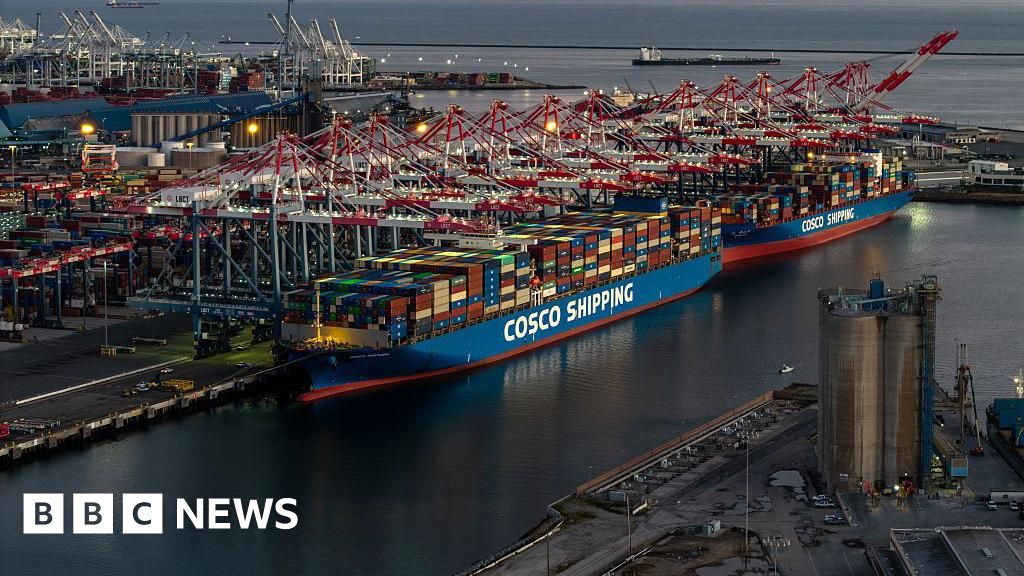
 BBC News
US launches probe into trading partners including EU, China and India
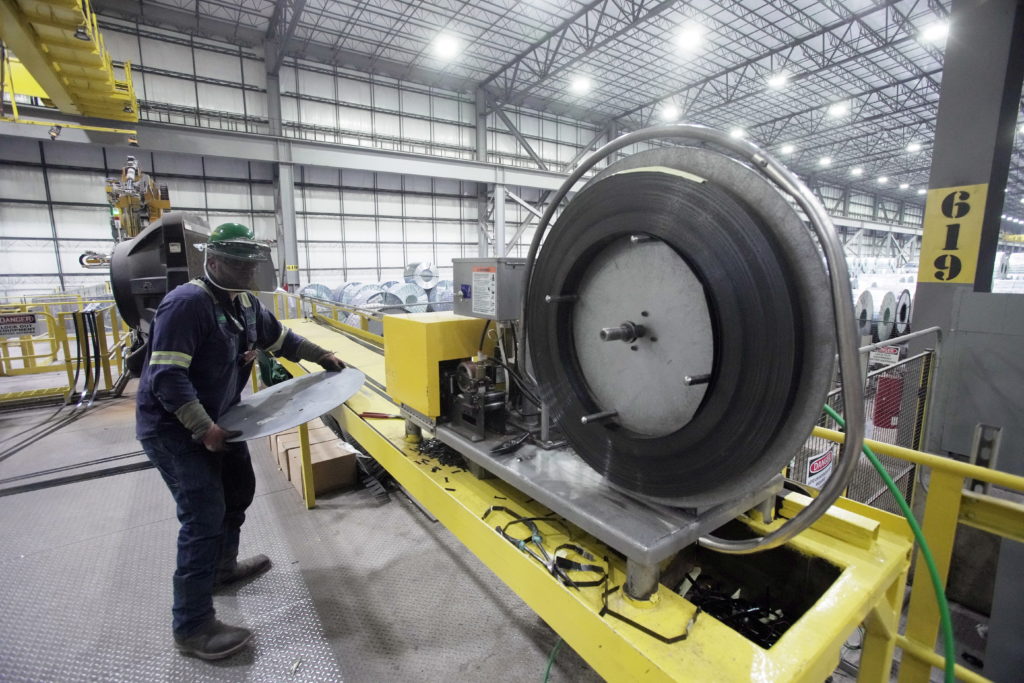
 PBS NewsHour
Trump administration starts new process to try to replace tariffs struck down by Supreme Court
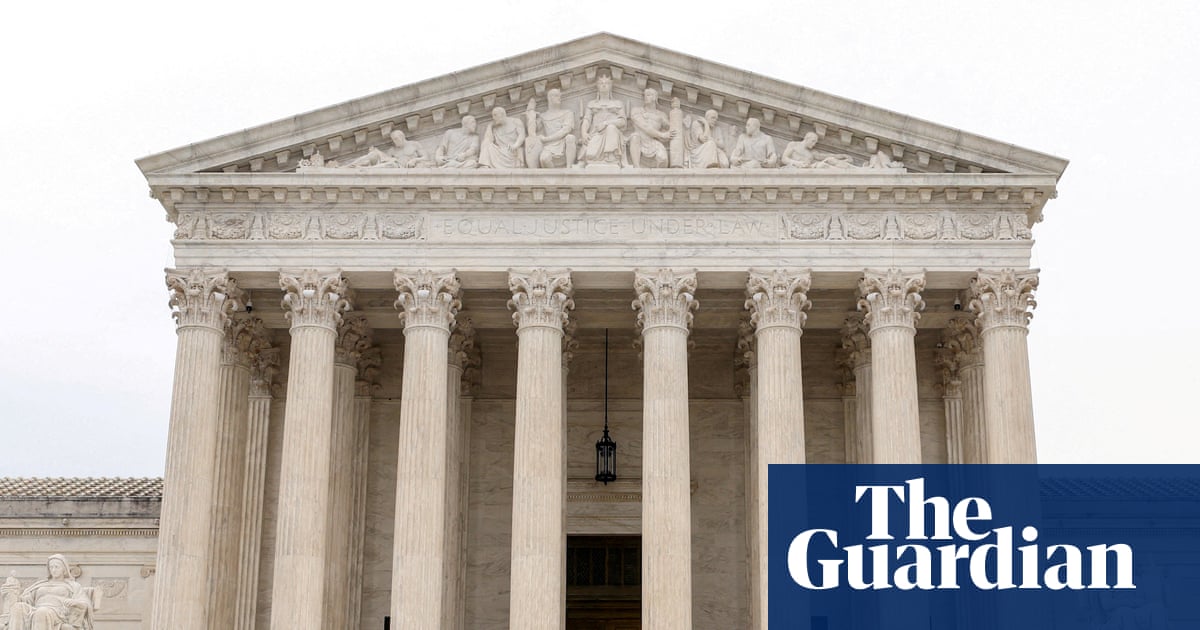
 The Guardian
Trump officials kick off process to try to replace tariffs struck down by supreme court

 CNBC
CNBCTrump administration launches Section 301 trade probes into Mexico, China, EU, others
Overview
The administration opened Section 301 investigations into China, the European Union, Mexico, Japan, India, South Korea, Taiwan and others, U.S. Trade Representative Jamieson Greer said.
The probes follow the Supreme Court's Feb. 20 ruling that struck down prior tariffs and coincide with a 10% global tariff that the administration imposed under Section 122.
Greer said investigators will examine structural excess capacity, subsidies, suppressed wages and persistent trade surpluses and could propose responsive actions, including tariffs or fees on services.
The investigations cover more than a dozen economies, naming China, the EU, Mexico, Japan, India, Taiwan, Vietnam, South Korea, Singapore, Switzerland, Norway, Indonesia, Malaysia, Cambodia, Bangladesh and Thailand.
Greer said he hoped to conclude the probes before the Section 122 tariff expires after 150 days on July 24 so the administration can present options to the president.
Analysis
Center-leaning sources frame the story as a legally rebounding, politically aggressive US trade push, emphasizing the Supreme Court setback and the administration's strategic response. Editorial choices spotlight government announcements and Trump's inflammatory quotes while omitting detailed perspectives from targeted countries (Canada's absence noted), creating a narrative of US assertiveness and diplomatic tension.
FAQ
The investigations cover China, the European Union, Mexico, Japan, India, Taiwan, Vietnam, South Korea, Singapore, Switzerland, Norway, Indonesia, Malaysia, Cambodia, Bangladesh, and Thailand.
The probes examine structural excess capacity, subsidies, suppressed wages, and persistent trade surpluses.
The administration aims to finish before the Section 122 10% global tariff expires after 150 days on July 24, following the Supreme Court's February 20 ruling that struck down prior tariffs.
No, Section 301 investigations typically take 6 months to over a year per country, making it physically impossible to complete probes for multiple economies within five months.
A separate probe targets imports made with forced labor from over 60 countries, aiming to ban such goods in the US.