Cuba Confirms Talks With U.S. as Fuel Blockade Strains Power
Cuba says talks with the Trump administration are in initial stages as no fuel has entered the island for three months, causing strain on the electrical grid.
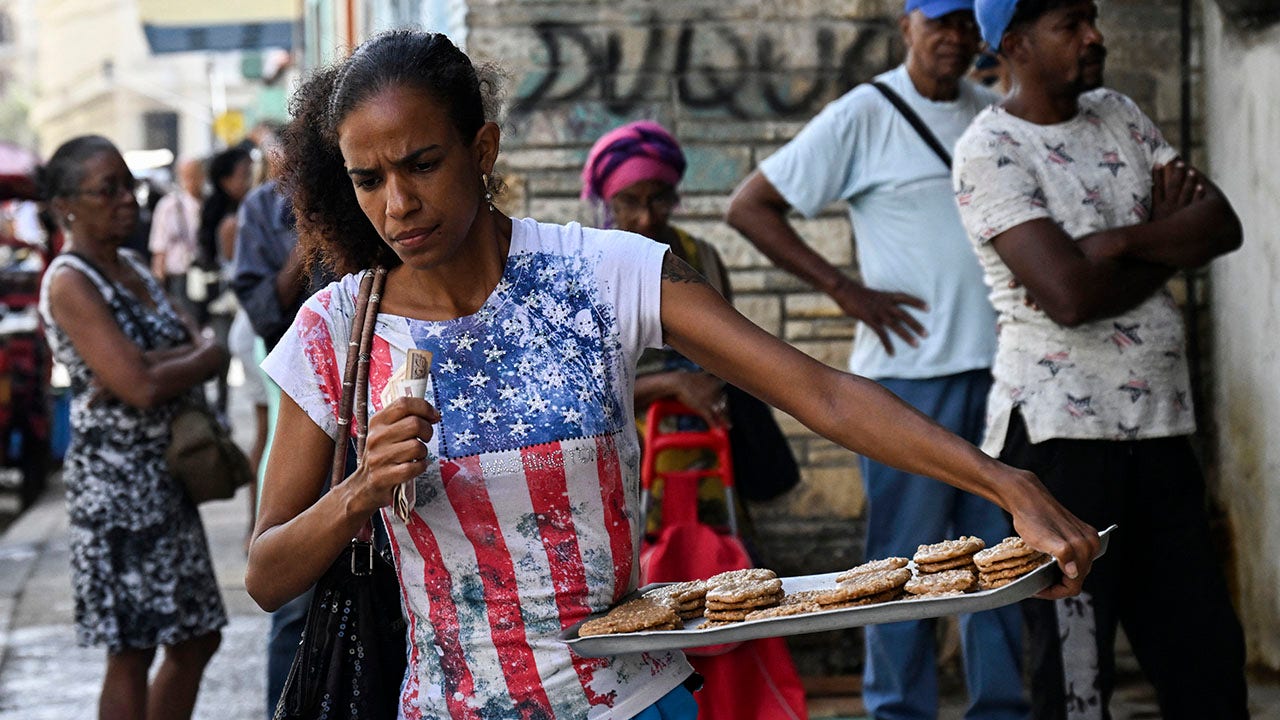
 FOX News
Cuban president reveals talks with Trump admin as fuel blockade chokes domestic energy supply and economy
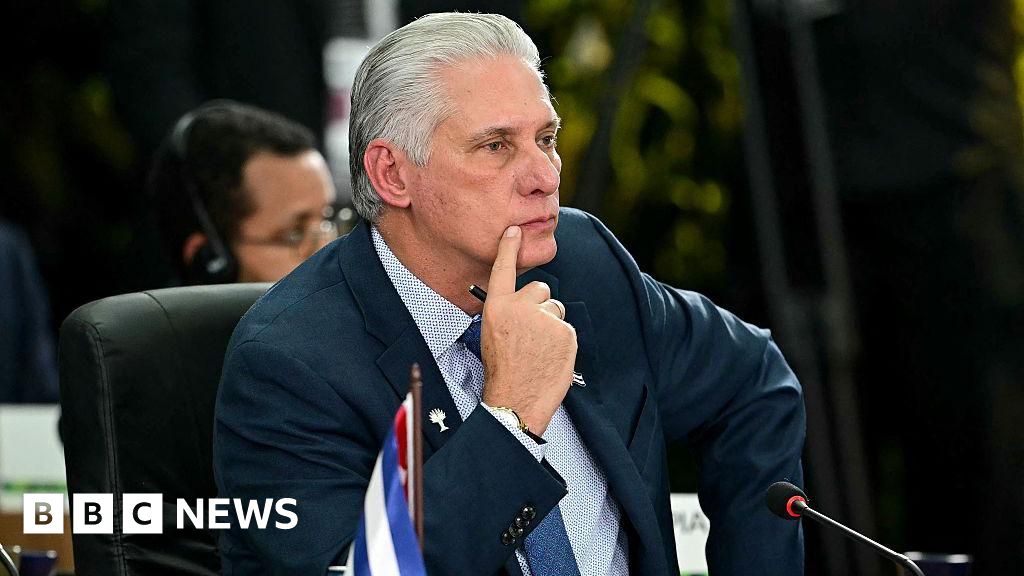
 BBC News
Cuba confirms negotiations with US as country faces effects of oil blockade

 Vox
VoxTrump’s Cuba ambitions, briefly explained
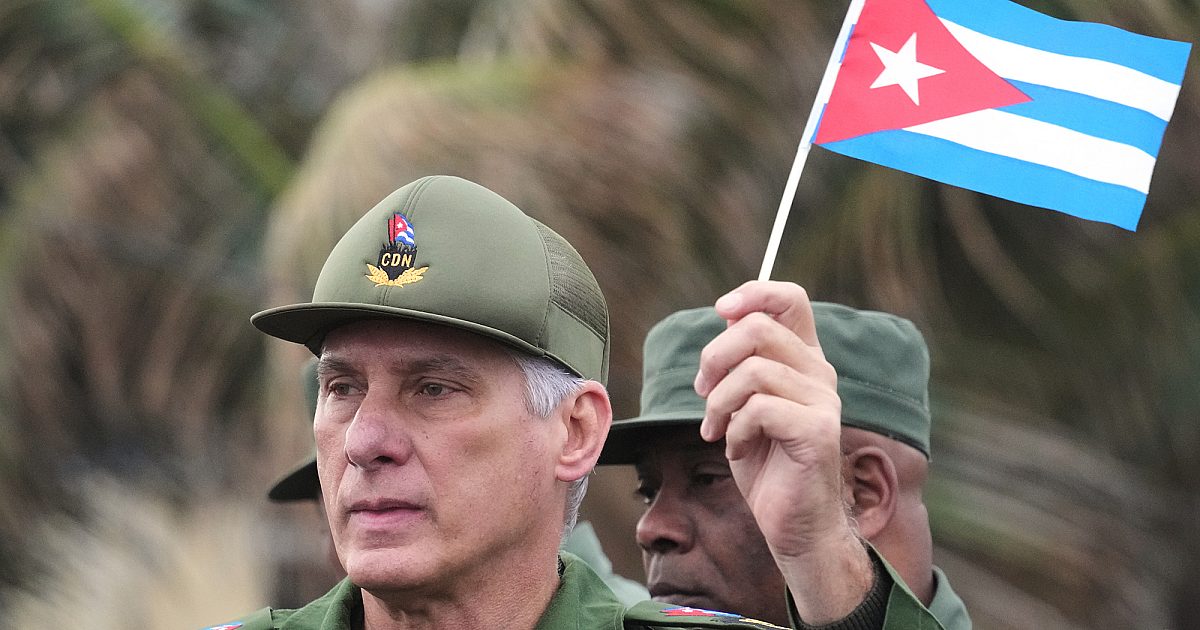
 World News Group
Cuba in talks with U.S. amid ongoing oil blockade, president says
Overview
Cuban President Miguel Díaz‑Canel said Friday that his government is holding talks with the Trump administration to find solutions to bilateral differences.
Díaz‑Canel said no fuel had entered Cuba for three months, contributing to an increasingly unstable electrical grid and ongoing blackouts.
The White House said it is talking to Cuba, and U.S. officials said an FBI team will travel to the island to assist in investigating a recent shootout.
Venezuela had sent around 35,000 barrels of oil a day to Cuba, supplying about half the island's oil needs, officials said.
Cuba's government said it will release 51 prisoners in the coming days as a gesture of goodwill following talks with the Vatican, and Díaz‑Canel said the talks are in initial phases.
Analysis
Center-leaning sources present this report as essentially neutral: they primarily relay direct statements from President Díaz‑Canel, attribute claims about an "energy blockade", and provide factual context (power outages, domestic oil output). coverage emphasizes sourced quotes and concrete impacts rather than editorializing, though one un-attributed line about a U.S. attack reads like an error.
FAQ
Cuban President Díaz-Canel stated he hoped the negotiations would move the two countries away from confrontation, though he did not specify particular demands or concessions being sought.[3] The talks are described as being in their initial stages.[3] Cuba's goal appears to be securing access to fuel supplies and relief from the blockade that has crippled the island's economy and infrastructure since December 2025.
The United States conducted a military intervention in Venezuela in 2026 that ousted President Nicolás Maduro, after which the U.S. blocked Venezuelan oil shipments destined for Cuba.[2] Venezuela had been sending approximately 35,000 barrels of oil per day to Cuba, which supplied about half of the island's oil needs.[4] This loss of Venezuelan supply, combined with Mexico's halt of oil shipments following U.S. threats of tariffs, left Cuba without adequate fuel sources.
The fuel blockade has created severe humanitarian crises across multiple sectors.[4] Cuba's healthcare system is on the brink of collapse, with ambulances struggling to find fuel for emergency response and hospitals experiencing persistent power outages.[4] The shortage has disrupted food production, public transport, and schools,[1] while garbage has accumulated in cities due to lack of fuel for trash trucks.[2] The UN Human Rights Office warned that the blockade has threatened Cuba's food supply and disrupted water systems.[2] Tourism has largely ceased as airports lack jet fuel, eliminating a major source of foreign currency for the island.[5]
The Trump administration is actively engaged in talks with Cuba.[3] U.S. Secretary of State Marco Rubio has been directly involved in the negotiations.[3] A White House official confirmed to Reuters that talks with Cuba are indeed underway and that Trump has outlined conditions Cuba's leaders should meet.[3] Additionally, an FBI team is reportedly being sent to Cuba to assist in investigating a recent shootout, suggesting broader engagement between the two governments.[3]
President Trump has been transparent that the larger objective is to achieve regime change in Cuba by intensifying economic pressure on the island.[4] Trump has called on Cuba to "make a deal before it's too late" and subsequently stated the U.S. could implement "a friendly takeover of Cuba."[2] The fuel blockade represents the first effective blockade of Cuba since the Cuban Missile Crisis and is designed to starve the island of fuel by cutting off oil from Venezuela and Mexico while threatening tariffs against any country supplying Cuba with oil.[2]