U.S. Opens Section 301 Probes Into 60 Countries Over Forced Labor
Section 301 investigations into 60 countries examine whether failures to curb forced-labor imports warrant tariffs, following a separate set of probes opened the day before and the Supreme Court's Feb. 20 decision.
 BBC News
Second US trade probe targets EU, Canada and UK over forced labour
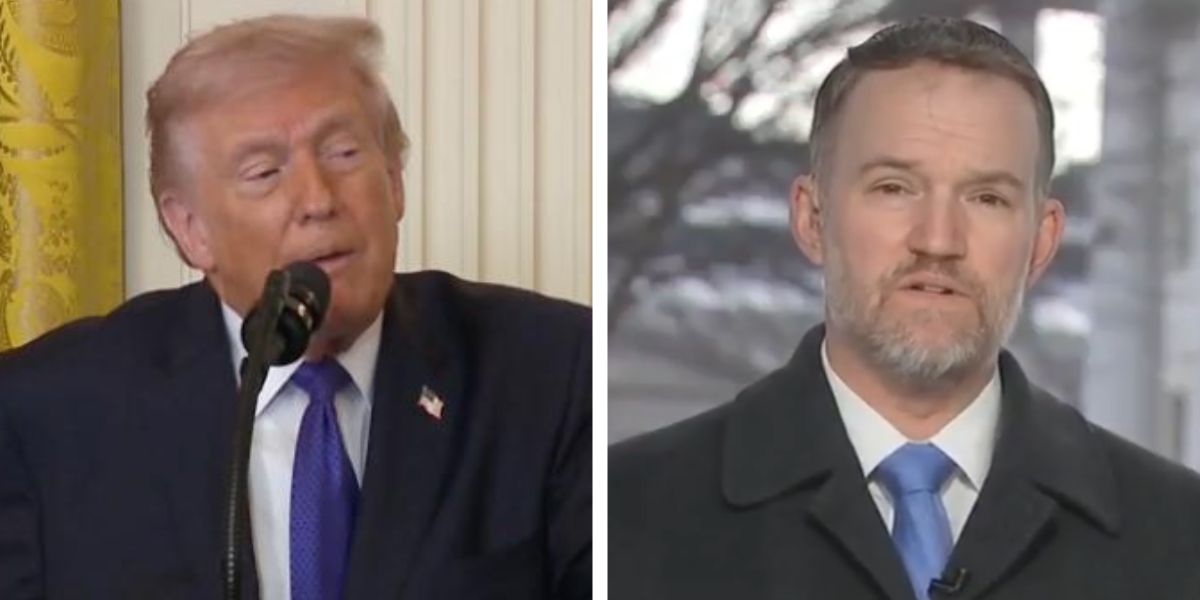
 The Post Millennial
Trump admin launches probe into 60 countries over forced labor practices
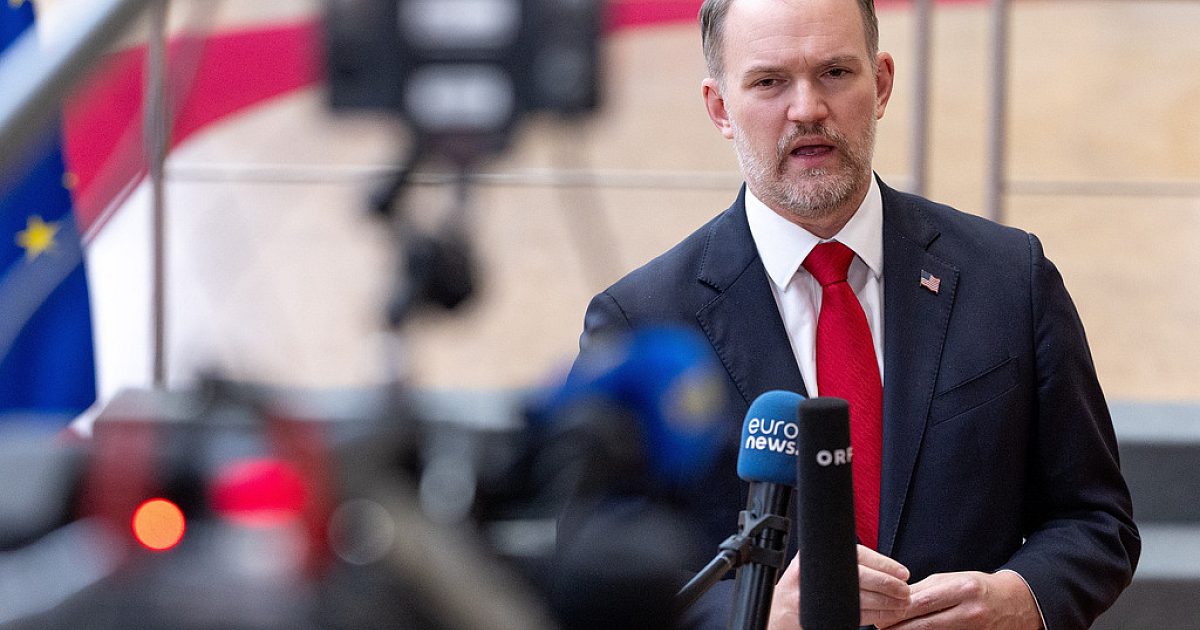
 World News Group
U.S. opens 60 trade probes, clearing way for more tariffs

 CNBC
CNBCU.S. launches fresh Section 301 probes into 60 economies over forced-labor trade practices
 CBS News
Trump administration launches new forced labor investigations into dozens of countries as it fights to restore tariffs
Overview
U.S. Trade Representative Jamieson Greer opened Section 301 investigations into 60 countries to determine whether they failed to ban imports made with forced labor.
The probes will assess whether governments' failures to curb forced-labor imports amount to unreasonable or discriminatory practices that burden or restrict U.S. commerce and harm U.S. workers and firms, Greer said.
Trade experts called the investigation timeline unrealistically short and questioned the rationale of targeting partners such as the European Union, while Chinese officials pushed back and said they were assessing the probes.
The probes cover 60 countries, including China, the European Union, Canada, the United Kingdom, India, Mexico and Brazil, and follow separate Section 301 probes opened the day before into 16 economies.
Public hearings are scheduled from April 28 to May 1, and officials said they hope to conclude the investigations before temporary tariffs under Section 122 expire in July.
Analysis
Center-leaning sources frame the probes as politically driven and potentially counterproductive, emphasizing feasibility and diplomatic costs. Editorial choices—using terms like "sweeping" and "alternative route," prioritizing critical trade experts and foreign pushback, and foregrounding risks of alienating partners—create a skeptical narrative, even while including official USTR statements as source content.
FAQ
Section 301 investigations under the Trade Act of 1974 examine whether foreign countries' acts, policies, or practices are unreasonable or discriminatory and burden or restrict U.S. commerce, potentially leading to tariffs or other actions.
The investigations were initiated on March 12, 2026, with written comments due by April 15, 2026, and public hearings from April 28 to May 1, 2026.
The probes cover 60 major U.S. trading partners, including China, the European Union, Canada, the United Kingdom, India, Mexico, Brazil, Japan, South Korea, and Australia.
The investigations assess whether foreign governments have failed to impose and enforce bans on importing goods produced with forced labor, constituting unreasonable practices that harm U.S. commerce, workers, and firms.
The forced labor probes target 60 countries for failures to curb forced-labor imports, while the prior probes on March 11, 2026, target 16 economies for structural excess capacity in manufacturing sectors.