Vance Refuses to Reveal Situation Room Advice on Iran
Vice President J.D. Vance declined to disclose his private advice on Operation Epic Fury, citing classified discussions and saying he did not 'want to go to prison.'
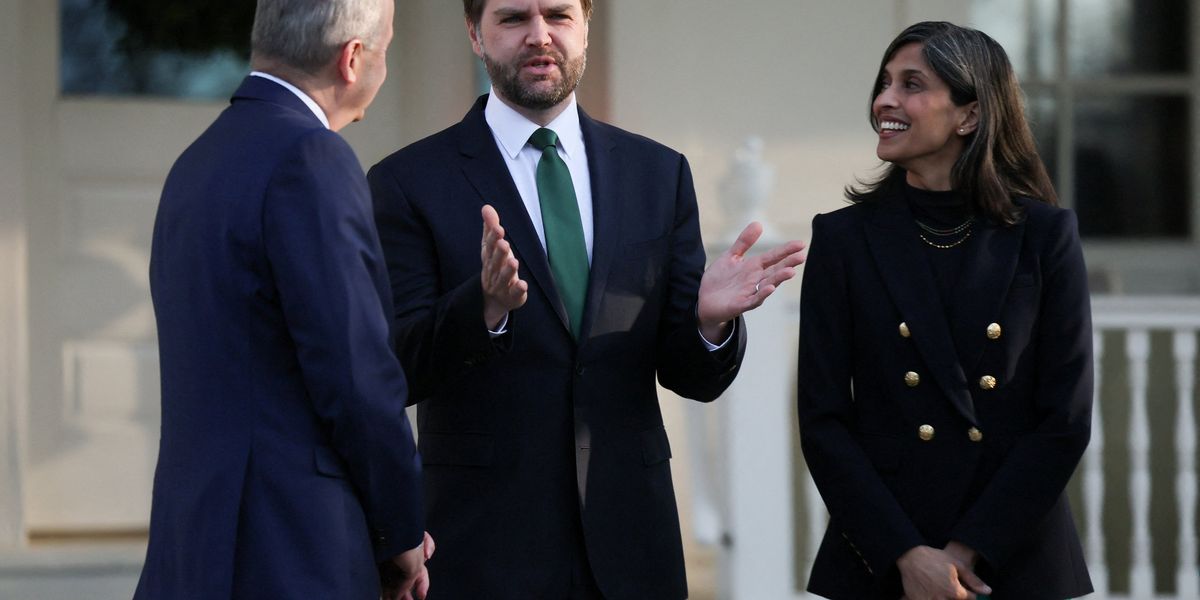
 Raw Story
'I don't want to go to prison': JD Vance dodges Iran question

 CNN
CNNVance’s distance from the Iran war is getting more conspicuous | CNN Politics

 Daily Caller
JD Vance Responds To Report He Opposes Iran War Behind Closed Doors
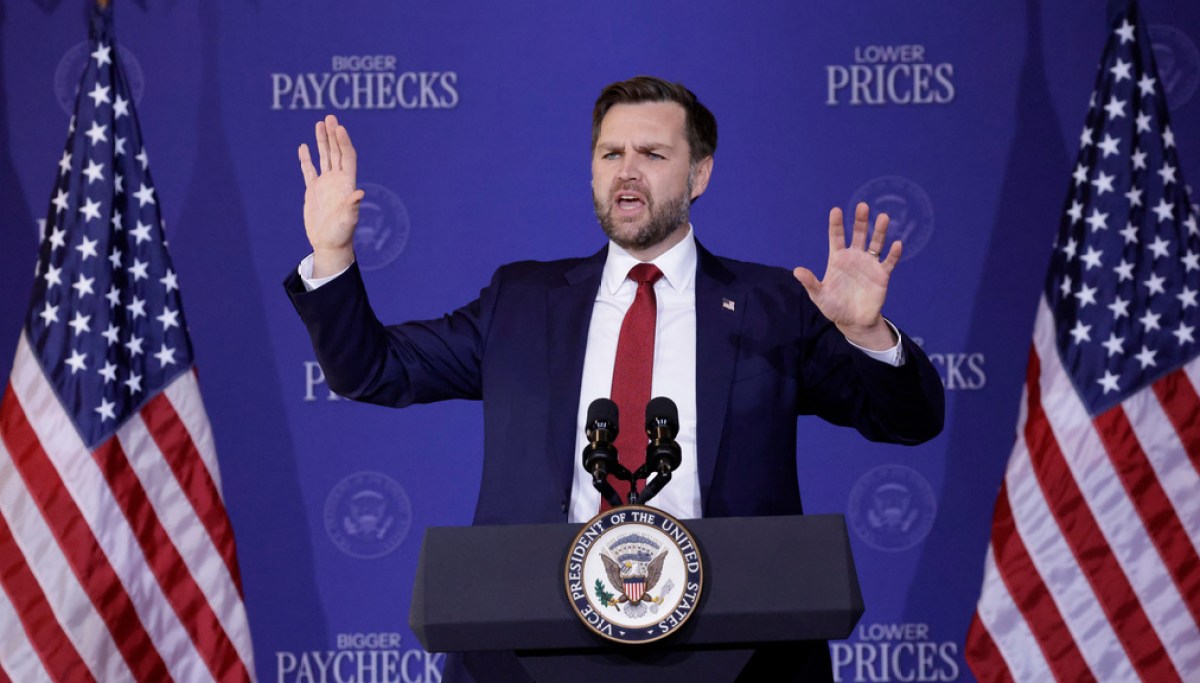
 Washington Examiner
Vance doesn't deny he cautioned Trump against war in Iran
Overview
Vice President J.D. Vance declined to disclose whether he supported the U.S. and Israeli operation against Iran and said he would not reveal his Situation Room advice, saying "I don't want to go to prison," reporters said.
Reports said Vance initially cautioned President Donald Trump against Operation Epic Fury before the first strikes on Tehran on Feb. 28, though he has publicly defended the administration's actions since.
President Donald Trump acknowledged philosophical differences with Vance but called him "quite enthusiastic," and Defense Secretary Pete Hegseth praised Vance as an indispensable voice, officials said.
Vance has posted just eight times on his personal account since the war began and mentioned Epic Fury near the end of a roughly 25-minute campaign speech in North Carolina, aides and observers said.
Officials are divided on Vance's private stance, and reports say the Pentagon is moving additional Marines and warships to the Middle East as strikes and regional retaliation continue.
Analysis
Analysis unavailable for this viewpoint.
FAQ
Operation Epic Fury is a joint U.S.-Israeli military operation launched on February 28, 2026, involving large-scale airstrikes targeting Iranian leadership, nuclear sites, missile infrastructure, air defenses, and military command centers to degrade Iran's capabilities and promote regime change.
Initial strikes targeted key government centers in Tehran including the presidential palace and intelligence ministries, resulting in assassinations of Ayatollah Ali Khamenei, IRGC commanders, and over 40 senior leaders, with strikes on air defenses, missile sites, and nuclear remnants across multiple Iranian cities.
The objectives include preventing Iran from acquiring nuclear weapons, destroying its missile arsenal and production sites, degrading proxy networks, annihilating its navy, and achieving regime change from within as a counterproliferation measure.
Iran launched Operation Truth Promise 4 with missile and drone strikes on regional targets, attacked a U.S. airbase in Erbil, Iraq, and an oil tanker in the Strait of Hormuz, amid a leadership succession crisis.
The Pentagon is moving additional Marines and warships to the Middle East as U.S. and Israeli strikes continue, with over 5,000 targets hit by day 10, including Iranian warships and oil infrastructure.
