Cornyn, Casar Clash at Austin Airport as DHS Funding Standoff Persists
Sen. John Cornyn and Rep. Greg Casar traded sharp words at Austin airport as funding for DHS has lapsed since Feb. 14, leaving TSA workers unpaid and Senate votes stalled.
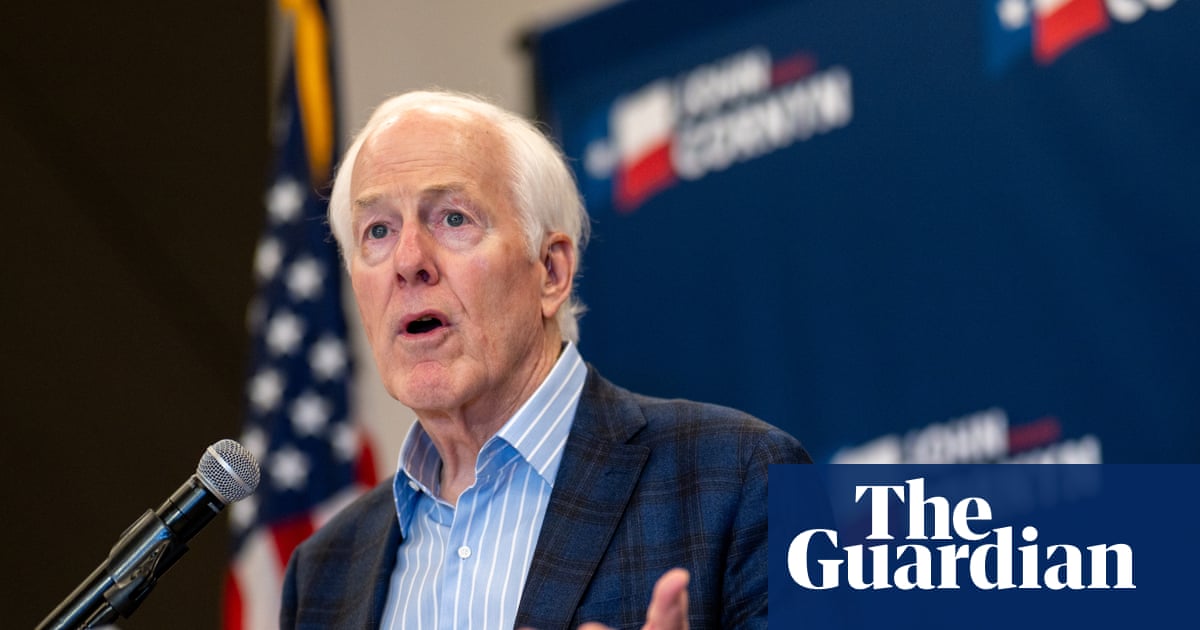
 The Guardian
Texas lawmakers spar over DHS funding as long lines loom at US airports

 FOX News
Cornyn clashes with progressive Rep Greg Casar in heated airport face-off over DHS shutdown
![Cornyn Spars With Dem Rep Over TSA Funding [Video] - Joe.My.God.](https://www.joemygod.com/wp-content/uploads/2026/03/cornspar.jpg)
 Joe.My.God.
Cornyn Spars With Dem Rep Over TSA Funding [Video] - Joe.My.God.
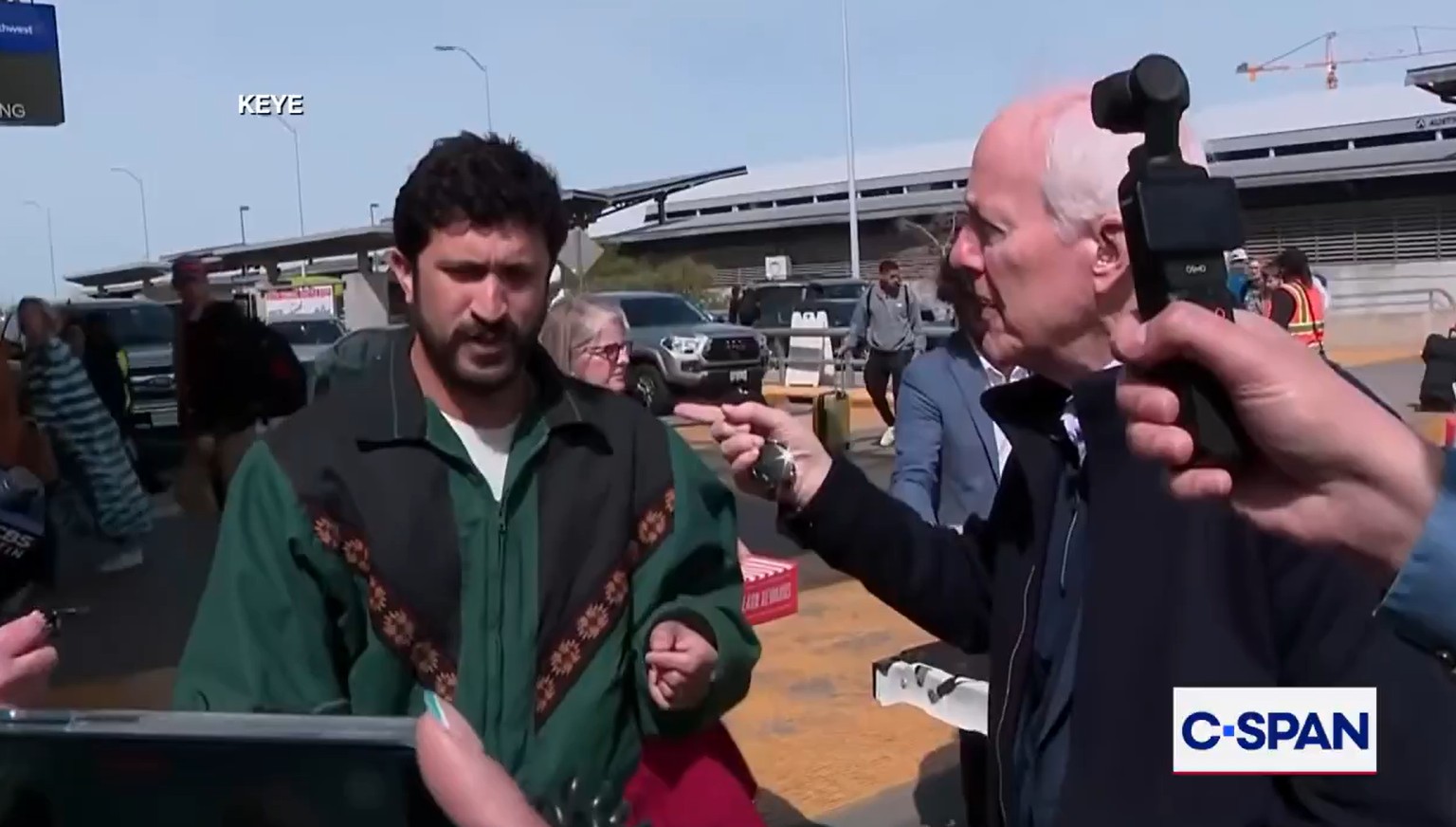
 MEDIAite
‘You Don’t Have to Yell at Me!’ Texas Republican And Dem Get Into a Fiesty Scrap at the Airport Over DHS Shutdown
Overview
Sen. John Cornyn confronted Rep. Greg Casar Monday outside Austin-Bergstrom International Airport while handing out Whataburger to Transportation Security Administration employees working without pay, and the two exchanged heated remarks.
The Department of Homeland Security has been without funding since Feb. 14, producing missed paychecks for TSA employees and longer security lines at airports, officials said.
Casar said Democrats had proposed legislation to fund just TSA while negotiating immigration enforcement changes, and Cornyn accused Democrats of refusing to fund DHS and urged lawmakers to restore pay.
Transportation Secretary Sean Duffy said roughly 300 TSA officers have resigned and absences have more than doubled, and House Democrats control 214 seats but need 218 petition signatures to force a vote, leaders said.
Last week Senate efforts stalled as Democrats' bid to fund non-immigration operations was blocked by Republicans and a Republican full-funding push failed to reach the 60-vote filibuster threshold, and House Democratic leader Hakeem Jeffries said Democrats will circulate a petition later this week to force a vote.
Analysis
Analysis unavailable for this viewpoint.
FAQ
The Department of Homeland Security has been without funding since February 14, 2026, lasting over a month[2]. The shutdown has caused TSA officers to work without paychecks, resulted in roughly 300 TSA officer resignations and more than doubled absences[1]. Additionally, cybersecurity operations are at limited capacity, first responder training has been canceled, and FEMA grants cannot be accessed[1]. Security preparations for major events including the America 250 celebrations, FIFA World Cup, and LA 2028 Olympics have faced disruption[1].
Democrats oppose the full DHS funding bill because it includes funding for Immigration and Customs Enforcement (ICE) and Customs and Border Protection (CBP), which they argue lack adequate policy oversight regarding immigration enforcement[3]. Democrats have proposed legislation to fund just TSA while negotiating immigration enforcement changes separately[1]. Republicans, conversely, argue that funding should not be withheld from DHS for political reasons and that the agency needs full operational resources to protect the nation[1]. The debate intensified following an incident where ICE officers fatally shot a Veterans Affairs nurse protesting ICE actions, prompting Democrats to make new demands for policy changes[2].
The House passed H.R. 7744, the Department of Homeland Security Appropriations Act for 2026, twice—most recently on March 5, 2026, with a vote of 221 to 209[1]. However, the bill has languished in the Senate as Democrats and Republicans remain divided[2]. Senate efforts have stalled, with Democrats' bid to fund non-immigration operations blocked by Republicans and a Republican full-funding push failing to reach the 60-vote filibuster threshold[1]. The White House issued new compromise proposals to Democrats last week in hopes of reaching an agreement[2]. House Democratic leader Hakeem Jeffries announced plans to circulate a petition to force a vote[1].
Republicans have cited the U.S. military actions against Iran over the weekend as heightening the urgency to end the DHS shutdown[2]. Republican leaders have argued it has become irresponsible to continue leaving DHS unfunded during heightened security threats, noting the FBI warned of elevated terrorist activity domestically[2]. Republicans used this geopolitical development to increase pressure on Democrats to pass full DHS funding to ensure agencies can protect America during what they characterize as a dangerous time[2].