Storms and Shutdown Cripple U.S. Travel, Airlines Urge Congress
Powerful storms and a partial DHS shutdown left thousands of flights canceled, more than 300 TSA quits, and millions under severe-weather watches.
 BBC News
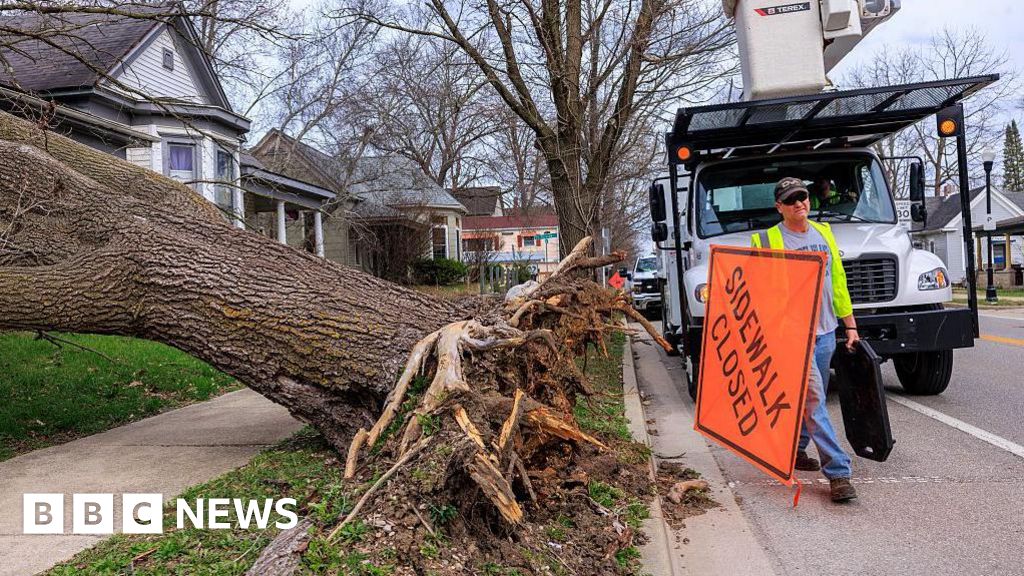
From tornadoes to blizzards, severe weather batters parts of the US

 Townhall
The Democrat DHS Shutdown Has Hit 30 Days, and It Has Been an Unmitigated Disaster
 Business Insider
TSA delays: Which airports have long lines, and how to check the wait times
 The Guardian
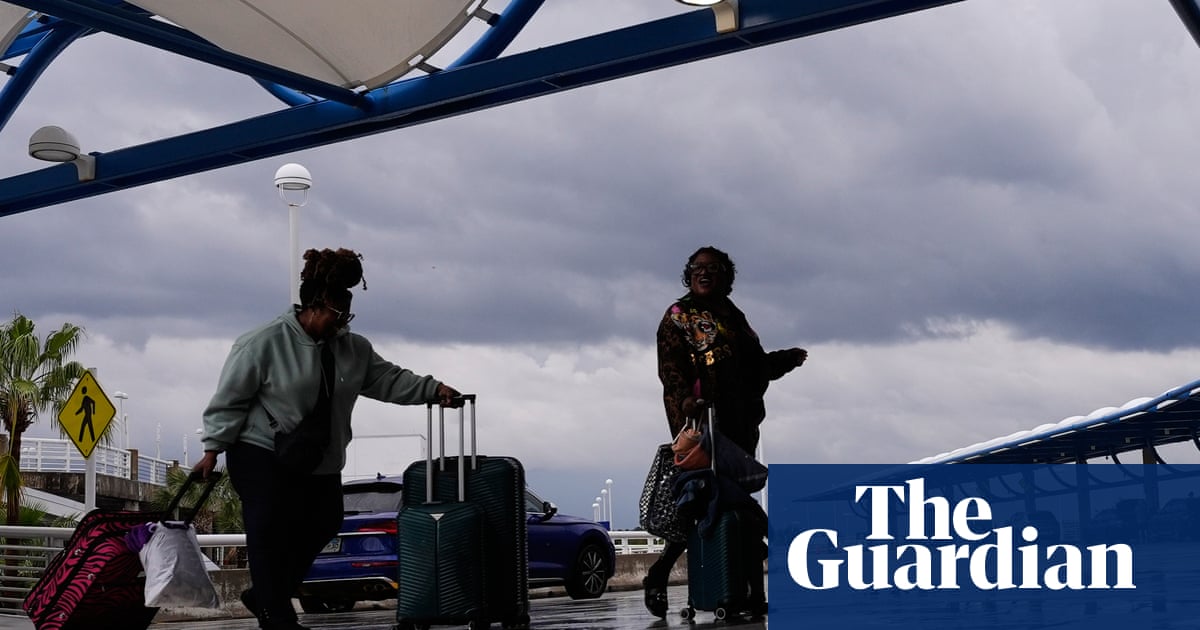
Thousands of flights canceled as winter storm marches across US
Overview
FlightAware reported roughly 4,400 to 4,763 flights canceled and roughly 9,112 to 10,500 delayed as powerful storms swept the eastern U.S.
Forecasters said the system dropped up to 36 inches of snow in the Midwest, put over 11 million people under blizzard warnings and more than 34 million under tornado watches.
Airline CEOs urged Congress to fund the Department of Homeland Security and ensure pay, while DHS reported more than 300 TSA agents have quit amid the partial shutdown.
TSA workers missed their first full paycheck on Friday, and airports advised travelers to arrive up to three hours early because of staffing strains and weather disruptions.
Airline leaders and TSA union officials urged Congress to restore DHS funding so workers receive pay, while FAA ground stops and forecasters warned of continued severe weather that could prolong travel disruptions.
Analysis
Center-leaning sources frame the story as a humanitarian and operational consequence of a partial government shutdown layered atop severe weather, emphasizing TSA staffing strains and traveler hardship through prioritized statistics, union voices and human anecdotes. Editorial choices—leading linkage of storms and the shutdown, emphasis on quit figures and missed pay—construct a narrative of systemic strain.
FAQ
TSA agents are classified as essential personnel, which means they are legally required to continue reporting to work even during a government shutdown when they are not receiving paychecks.[1][2] This requirement stems from the critical nature of airport security screening for public safety. However, TSA officials have warned that this situation is unsustainable long-term, as employees struggling to cover basic expenses are leaving the job entirely.[1]
The primary driver is financial hardship caused by the shutdown. TSA employees missed their first full paycheck on Friday, March 15, 2026, after the funding lapse began on February 14.[3] The unscheduled call-out rate has risen to an average of 6% during the shutdown, compared with about 2% before the shutdown.[1] Employees are resigning because they need income to cover basic expenses, and repeated shutdowns are making TSA positions less attractive for recruitment and retention.[1]
It can take four to six months of training before new TSA employees are able to work independently at checkpoints.[1] This extended training period means that the 305 employee separations recorded between February 14 and March 9 will have lasting impacts on airport security staffing capacity, potentially worsening delays even after the shutdown ends.[1]
After the 2025 shutdown, TSA lost nearly 1,100 security officers who resigned due to the need for income during the unpaid period.[1] Former TSA Administrator John Pistole warned that if the current shutdown drags on, repeated funding gaps could make it harder to recruit new officers, since applicants may question taking a job where they might have to work without pay.[1]
Spring break represents one of the busiest travel periods of the year, coinciding with severe weather disruptions and reduced TSA staffing caused by the shutdown. Airports like Minneapolis–Saint Paul International and Austin–Bergstrom reported extended wait times when spring break travel collided with winter storms and staffing shortages.[3] Airlines for America called on lawmakers to resolve the funding dispute to ensure TSA employees are paid before this peak travel period intensifies further.[3]

