U.S. Intelligence Heads Split Over Iran Threat After Counterterrorism Resignation
Tulsi Gabbard told senators Iran's regime 'intact but largely degraded' after June 2025 strikes, while officials disagreed over whether Iran posed an imminent threat.





Overview
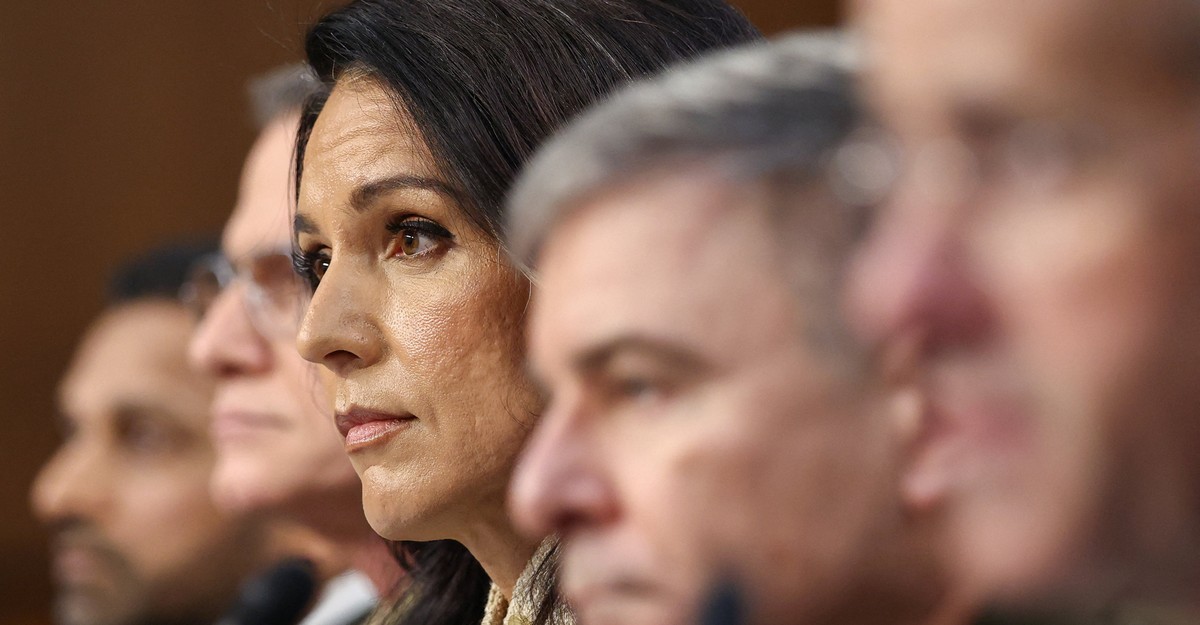
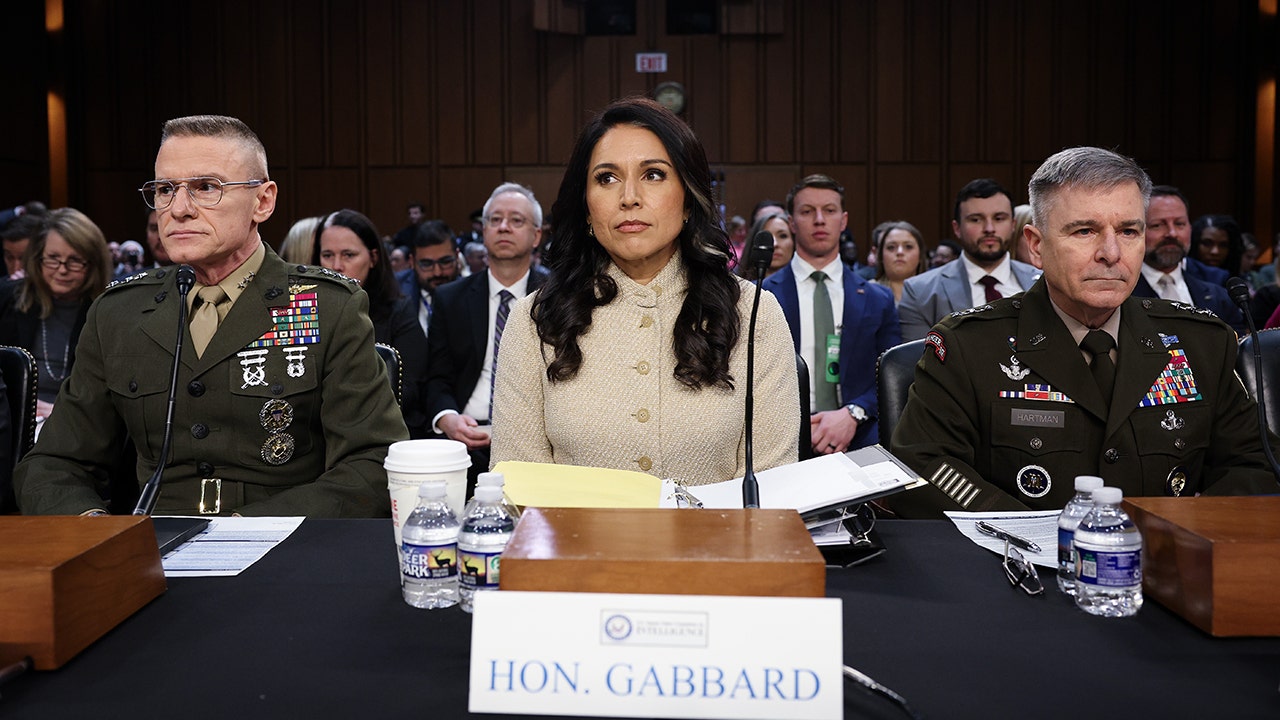
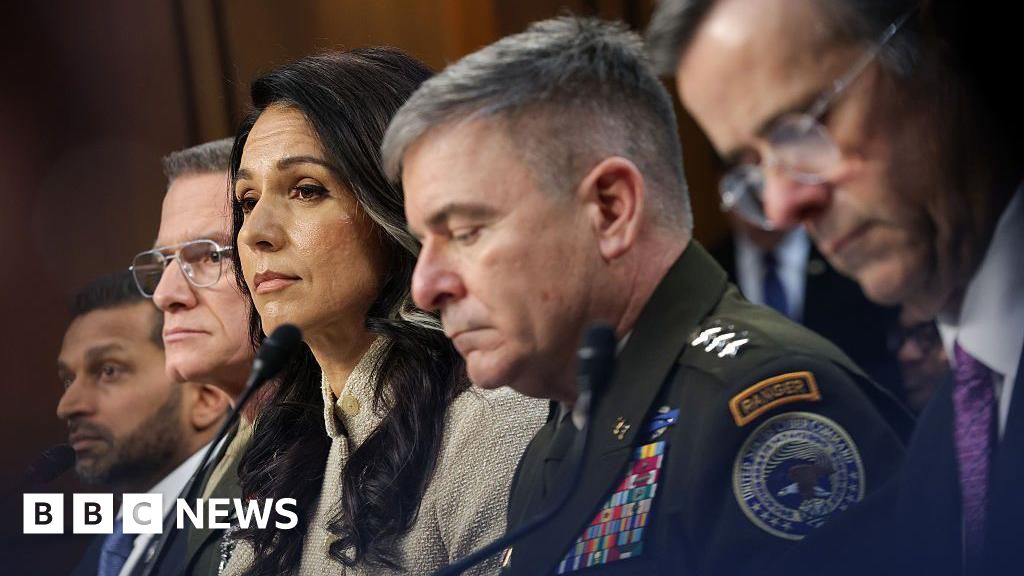
Director of National Intelligence Tulsi Gabbard told the Senate that Iran's regime "appears to be intact but largely degraded" after U.S. and Israeli strikes.
The testimony was the first public intelligence briefing since the war began in late February and came one day after National Counterterrorism Center director Joe Kent resigned in protest.
Gabbard declined to say whether Iran posed an "imminent threat," saying only the president can make that determination, while CIA Director John Ratcliffe said Iran "posed an immediate threat at this time."
Gabbard's written testimony said the June 2025 U.S.-Israeli strikes "obliterated" Iran's nuclear enrichment program and that there had been "no efforts" to rebuild it, but she omitted that passage from her oral remarks.
Officials told senators they had long assessed Iran might strike energy sites and try to close the Strait of Hormuz, and Gabbard said Iran could begin developing an ICBM "before 2035."
Analysis
Center-leaning sources present this coverage with mild editorial framing: they emphasize ambiguity and internal rifts by highlighting omissions, cautious wording, and a resignation. Language such as “mixed signals,” “carefully worded,” and “softened” casts Gabbard's testimony as equivocal; selecting White House reassurance and the aide's resignation frames political tension over policy.
FAQ
Joe Kent resigned in protest, likely due to disagreements over intelligence assessments regarding Iran's threat level or the justification for military action. His resignation came one day before Gabbard's Senate testimony and highlights internal divisions within the intelligence community over how to characterize Iran's post-strike capabilities and intentions.
Operation Epic Fury refers to U.S. and Israeli strikes on Iran conducted in June 2025 that targeted Iran's missile production facilities, stockpiles, launch capabilities, and nuclear enrichment program. According to intelligence assessments, these strikes 'obliterated' Iran's nuclear enrichment capability and largely destroyed its regional military power projection capabilities, though the regime itself remained intact.
Yes. Senator Ron Wyden presented evidence that intelligence agencies had long assessed Iran could strike energy sites, attempt to close the Strait of Hormuz, and conduct strikes on U.S. partners in the region if attacked. These assessments were made prior to the military action and proved accurate, as Iran subsequently conducted strikes on the Gulf States.
Gabbard stated that determining whether a threat is 'imminent' is not the intelligence community's responsibility but rather the president's role. She argued that intelligence agencies provide assessments and data, while the president must interpret that information to make the determination of what constitutes an imminent threat. This created tension with lawmakers who questioned this interpretation of the IC's mandate.
According to intelligence assessments, Iran's nuclear enrichment program was 'obliterated' by Operation Midnight Hammer with no subsequent efforts to rebuild it. However, Iran could potentially develop a militarily viable ICBM with intercontinental range capable of striking U.S. homeland before 2035 if it pursues that capability, as it has previously demonstrated relevant space launch technology.