Gabbard Dodges Iran Threat Questions, Elicits Scrutiny
DNI Tulsi Gabbard declined to label Iran an imminent threat, prompting criticism amid war casualties and a pending House threats hearing.

 Raw Story
Tulsi Gabbard heard Trump's 'clarion call' — and it might cost her dearly: analyst
 Daily Signal
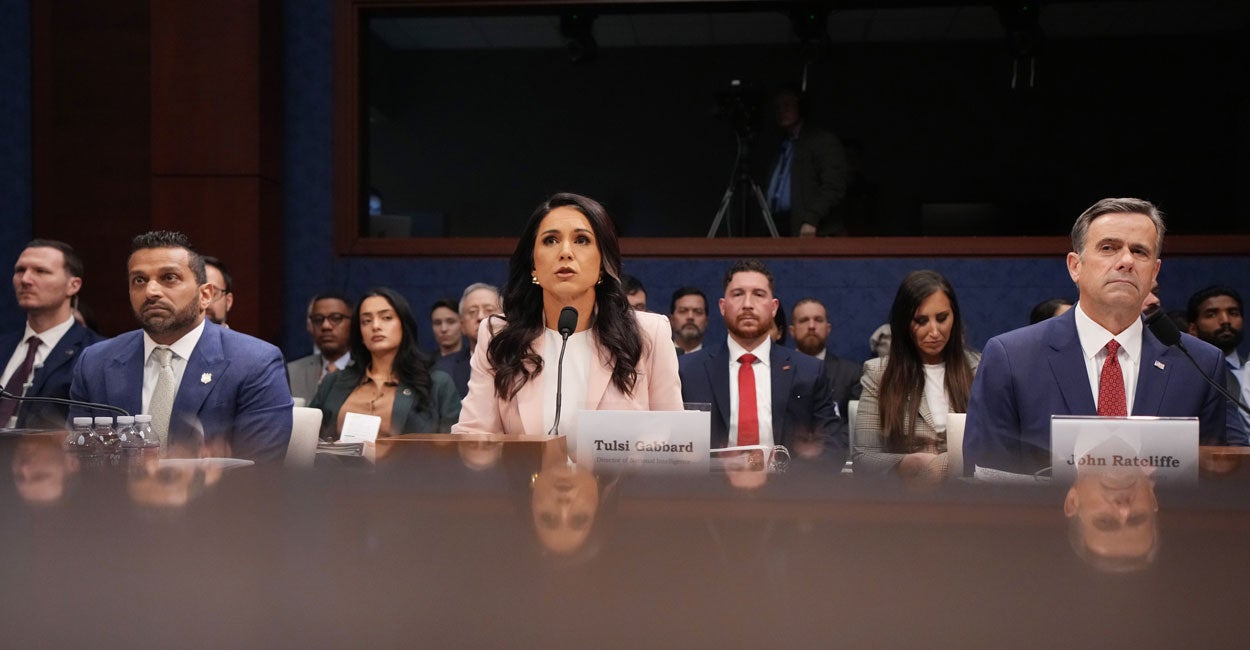
4 Big Takeaways From Tulsi Gabbard's Testimony on Capitol Hill

 Daily Beast
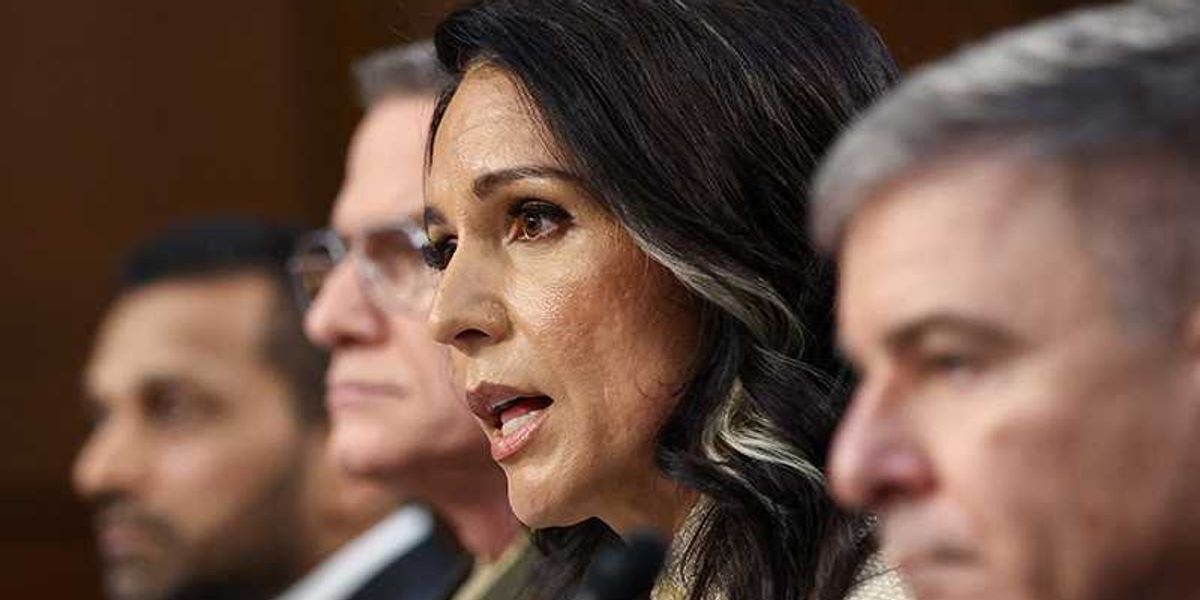
Tulsi Desperately Struggles to Hide Her Opposition to Trump’s War
 AlterNet
Cabinet member’s 'irreconcilable' about-face exposes alarming Trump truth
Overview
At a House Intelligence Committee hearing on Thursday, Director of National Intelligence Tulsi Gabbard repeatedly declined to say whether Iran posed an "imminent threat," saying that determination was for the president to make.
The exchanges mattered because President Donald Trump has asserted Iran posed an imminent threat to justify strikes and senators noted the situation has led to the effective closure of the Strait of Hormuz.
One analyst said Gabbard's evasive answers appeared to follow Trump's "clarion call" and could expose her to charges of lying to Congress and to the president's scorn.
Witnesses and officials said the war has killed 13 U.S. servicemen, the Pentagon chief said he would seek about $200 billion for ongoing costs, and testimony referenced thousands of Iranian civilians killed or displaced.
The House Intelligence Committee will hold its own threats hearing on Thursday as lawmakers press for public oversight of intelligence assessments provided to the president.
Analysis
Center-leaning sources frame Gabbard as having shifted from evidence-driven critic to a submissive apologist by using moralizing language ('autocracy', 'toadies', 'obsequious'), selecting episodes (Soleimani briefing, her tweet, Senate hearing) that emphasize contradiction, highlighting her deference while omitting her stated rationale, and organizing coverage as a fall-from-grace chronology.
FAQ
The regime in Iran appears intact but largely degraded due to U.S. and Israeli attacks, with its conventional military power projection capabilities largely destroyed and strategic position significantly degraded.[1]
Gabbard stated that only the president can determine what constitutes an imminent threat, deferring the assessment to President Trump.
Operation Epic Fury devastated Iran's missile production facilities, stockpiles, launch capabilities, and nuclear enrichment program, obliterating its nuclear infrastructure with no efforts to rebuild since.[1]
Iran and its proxies remain capable of attacking U.S. and allied interests in the Middle East, and if a hostile regime survives, it will seek to rebuild its missiles and UAV forces over years.[1]
