Huerta Breaks Silence as Chavez Honors Face Reckoning
Dolores Huerta, 95, publicly described alleged abuse by Cesar Chavez as officials move to remove his name from monuments, holidays and public sites.

 New York Post
Cesar Chavez rape scandal rocks schools as teachers told to dump lessons
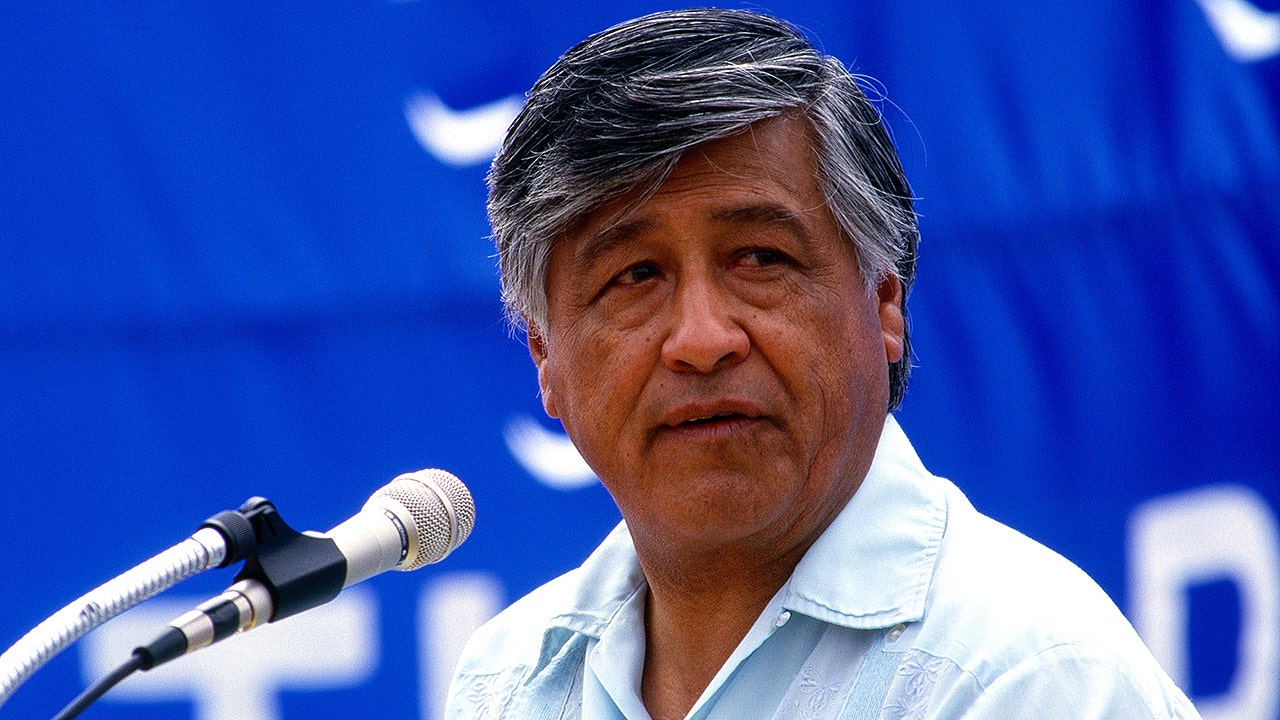
 FOX News
California to change Cesar Chavez Day to Farmworkers Day after sexual abuse scandal
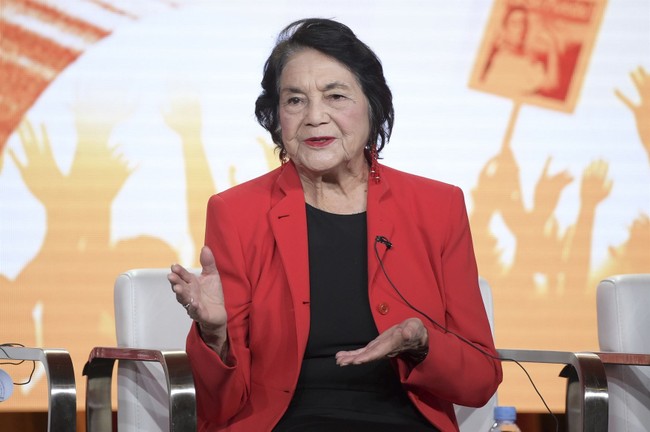
 Hot Air
Dolores Huerta Describes Years of Sexual and Verbal Abuse as Part of UFW
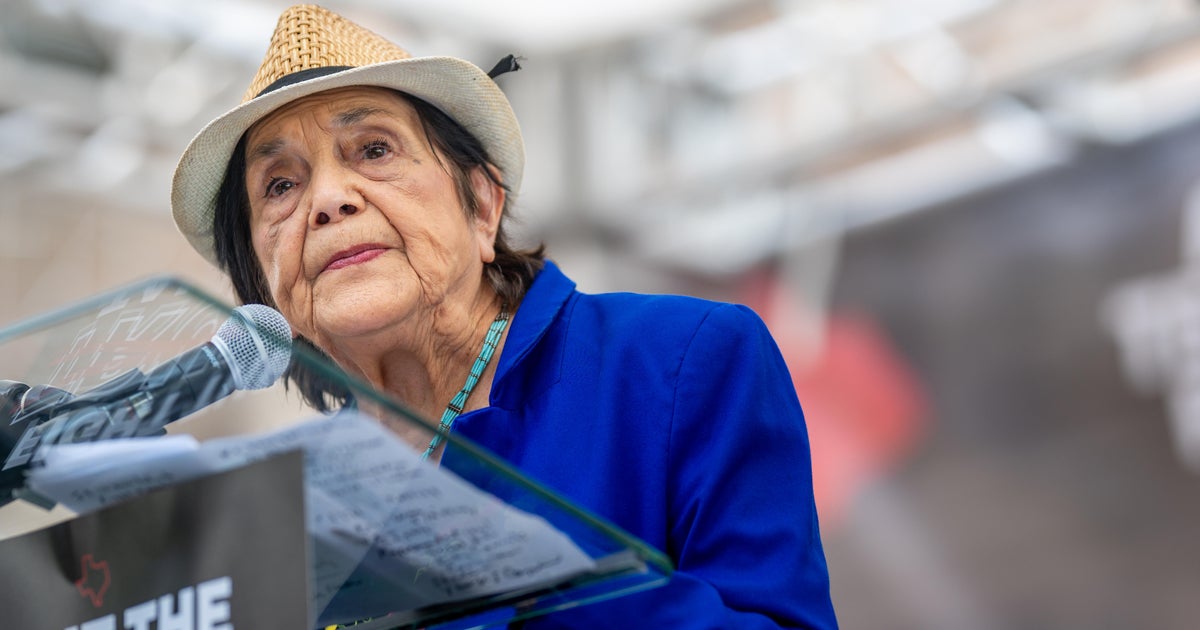
 CBS News
Dolores Huerta speaks out in first public interview since sexual assault allegations against Cesar Chavez surfaced
Overview
Dolores Huerta, 95, gave her first public interview since sexual-abuse allegations surfaced, saying Cesar Chavez coerced and raped her and that she kept the assaults secret for 60 years.
An investigation published Wednesday detailed allegations that Chavez raped and abused women and girls, including two who say he abused them when they were children in the 1970s.
Chavez's family said they were shocked and saddened and wished peace and healing to survivors, while officials and labor leaders urged reflection and respect for survivors' voices.
More than 130 locations in at least 19 states bear Chavez's name, including about half that are schools, and some institutions have already covered or removed statues and plaques.
City and state officials have begun processes to rename parks, streets and holidays, with Los Angeles changing Cesar Chavez Day to Farm Workers Day and Denver removing a bust and renaming a park.
Analysis
Center-leaning sources frame the story as an immediate reputational crisis by leading with swift removals and evaluative words like "stain" and "explosive." Editorial choices prioritize institutional responses (statue coverings, renamings), center victims' allegations and official statements, and provide procedural context—creating a narrative of rapid public reckoning rather than unresolved investigation.
FAQ
According to Huerta's account, she managed to carry on by mentally suppressing those memories of the abuse, though she felt it to be 'very painful' at the time. She broke her silence in March 2026 as part of a New York Times investigation into Chavez's pattern of sexual abuse.
Huerta alleged that Chavez raped her in his vehicle during the winter of 1966 after driving her to a secluded grape field in Delano, California. She also described an earlier encounter in August 1960 in which she felt pressured to have sex with him in a hotel room during a work trip in San Juan Capistrano. Additionally, she stated that Chavez emotionally abused and humiliated her, including yelling insults at her during union board meetings and calling her a 'stupid bitch,' according to union meeting recordings.
More than 130 locations in at least 19 states bear Chavez's name, including approximately half that are schools. Several institutions have already taken action: Los Angeles changed Cesar Chavez Day to Farm Workers Day, Denver removed a bust and renamed a park, and other city and state officials have begun processes to rename parks, streets, and holidays.
During their final meeting a few days before Chavez's death, Huerta said he confessed his realization that he had treated her and another female board member differently from male colleagues. Huerta responded by informing him his behavior was 'called machismo - it's called male chauvinism,' which she viewed as his way of apologizing.
Huerta served as Vice President of the United Farm Workers (UFW) and played a crucial role in the organization's major campaigns. In 1968, she convinced Chavez, who was then President of the UFW, to launch an international grape boycott, which became a historic victory for farmworkers' rights.