Treasury Takes Over Defaulted Federal Student Loans Amid Education Department Wind-Down
An interagency agreement shifts collection of defaulted federal student loans to Treasury, a step toward transferring the nearly $1.7 trillion portfolio as the Education Department is being pared back.

 CNN
CNNTreasury Department to take over some federal student loans, as Trump administration works to dismantle Education Department | CNN Politics
 ABC News
Treasury taking over federal student loans amid dismantling of Department of Education

 USA TODAY
Treasury Department to oversee student loans. What it means for you.

 NPR
NPRFederal student loans will move to Treasury, further shrinking Education Department
Overview
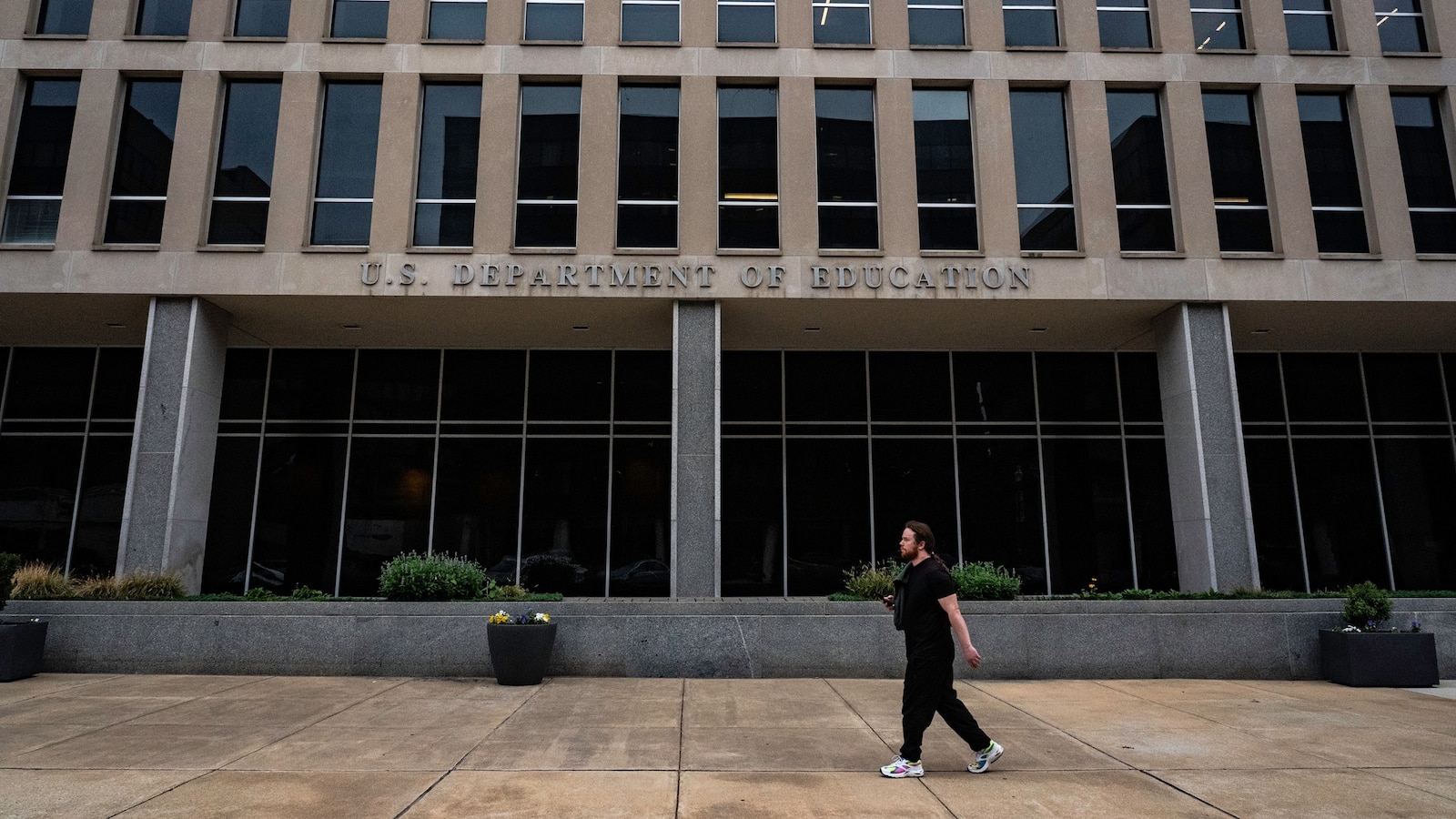
The Education Department announced an interagency agreement that transfers operational responsibility for collecting on defaulted federal student loans to the Treasury Department.
The move is part of an administration effort to shift Education Department functions to other agencies as officials pursue dismantling the department.
Education Secretary Linda McMahon and Treasury Secretary Scott Bessent praised the arrangement, while consumer advocates such as Kyra Taylor and education advocates including Roxanne Garza warned it will create confusion for borrowers.
About $180 billion, or 11% of the government's nearly $1.7 trillion student loan portfolio, consists of loans in default, and reports cite roughly 7 million to 9.2 million borrowers in default.
Officials said subsequent phases would expand Treasury's role to non-defaulted loans and could eventually include oversight of FAFSA, and the agreement includes no firm timetable for those steps.
Analysis
Center-leaning sources cast the transfer as politically driven downsizing of Education Department, emphasizing defaults and past moves to suggest a pattern. Editorial choices — placing political motive in the lede, citing union accusations, and highlighting numbers and prior interagency agreements — frame the shift as controversial and managerial failure rather than neutral reorganization.
FAQ
The Treasury Offset Program (TOP), administered by the U.S. Department of Treasury, withholds federal tax refunds, up to 15% of wages or Social Security benefits, and other federal payments to collect on defaulted federal student loans after borrowers receive notice and opportunities to repay.[1]
Approximately $180 billion, or 11% of the $1.7 trillion federal student loan portfolio, is in default, affecting roughly 7 million to 9.2 million borrowers.[story]
Borrowers can avoid collections by making payments, enrolling in income-driven repayment plans, rehabilitating their loans, or consolidating them through their loan servicer or sites like MyEDDebt.ed.gov.[1]
Future phases may expand Treasury's role to non-defaulted loans and potentially include oversight of FAFSA, as part of efforts to pare back the Education Department, though no firm timetable exists and Congressional approval may be needed.[story][2]
Education Secretary Linda McMahon and Treasury Secretary Scott Bessent praised the arrangement, while consumer advocates like Kyra Taylor and education advocates like Roxanne Garza warned it would create confusion for borrowers.[story]