Warren Endorses Populist Senate Hopefuls, Backs Platner In Maine
On March 19, 2026, Elizabeth Warren endorsed Graham Platner and other progressive Senate hopefuls, heightening primary fights ahead of the June 9 primary and the November challenge to Sen. Susan Collins.
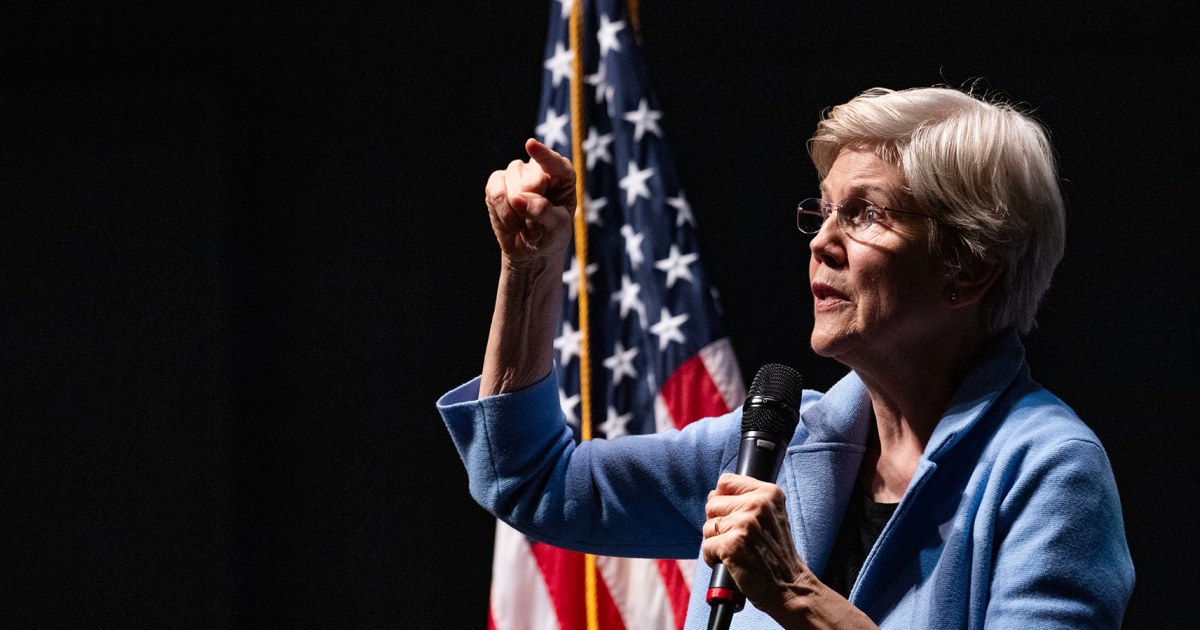
 NBC News
Elizabeth Warren jumps into Democratic primary battles across the country
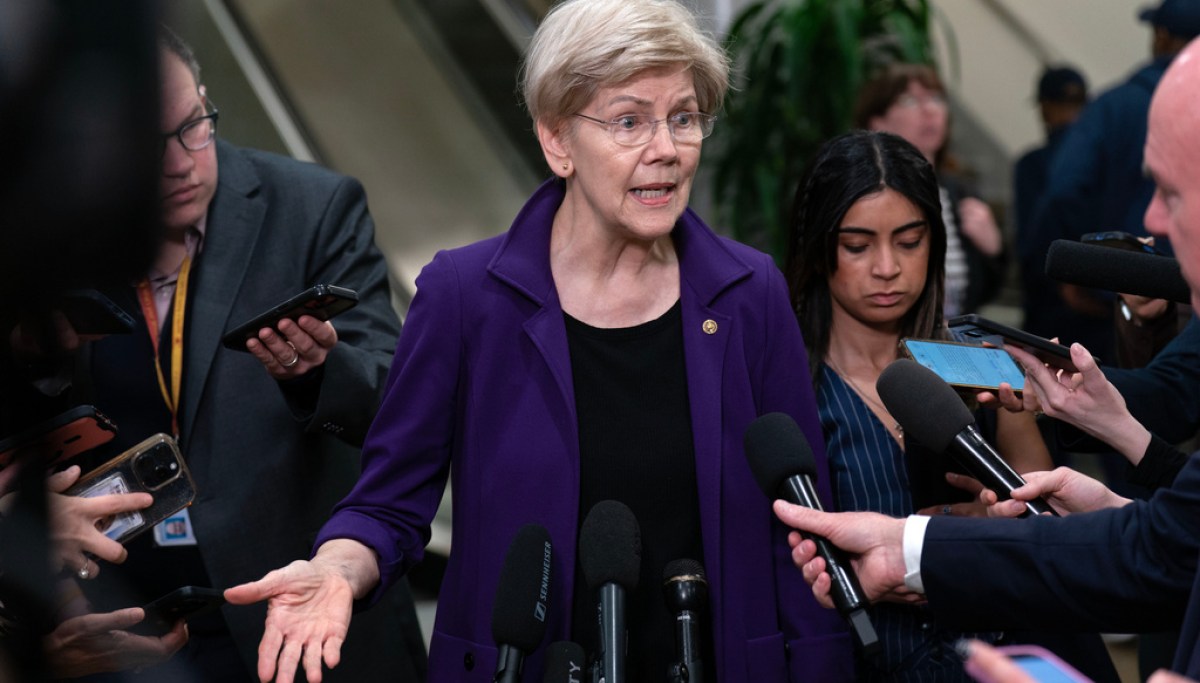
 Washington Examiner
Warren endorses populist primary candidates in Maine and Michigan
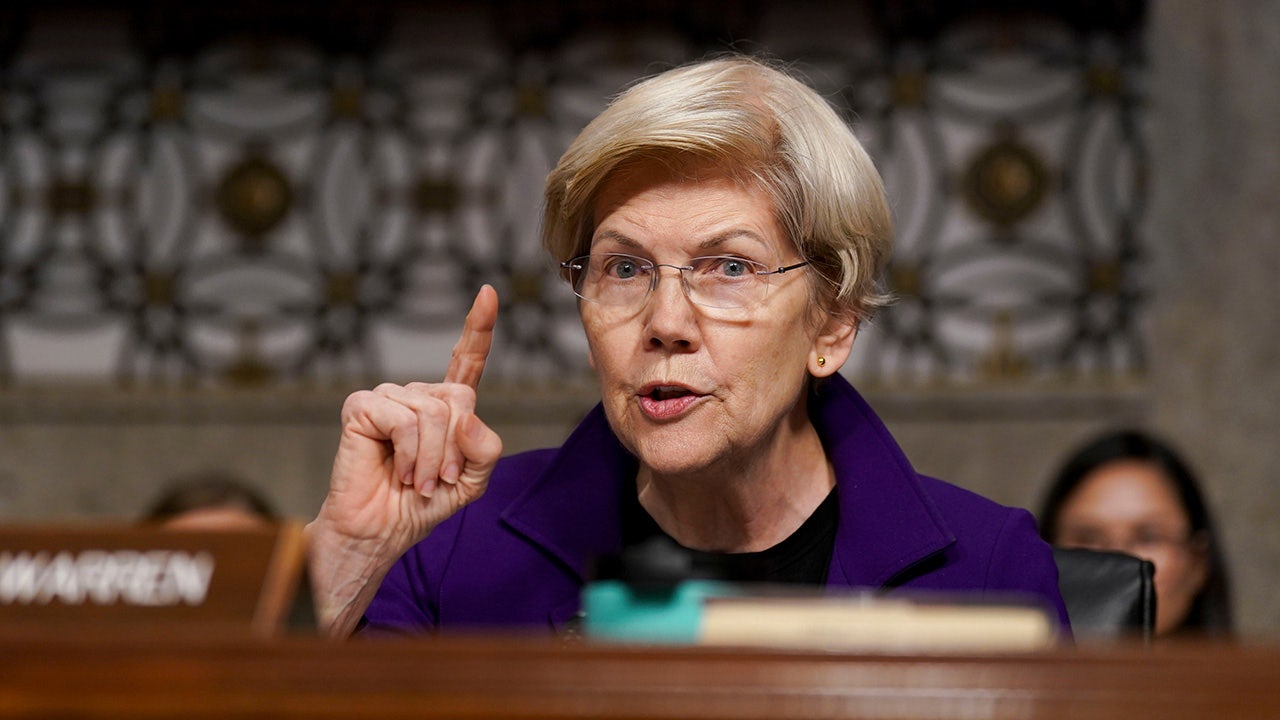
 FOX News
Elizabeth Warren endorses Nazi-tattooed Graham Platner in high-stakes Maine Senate primary
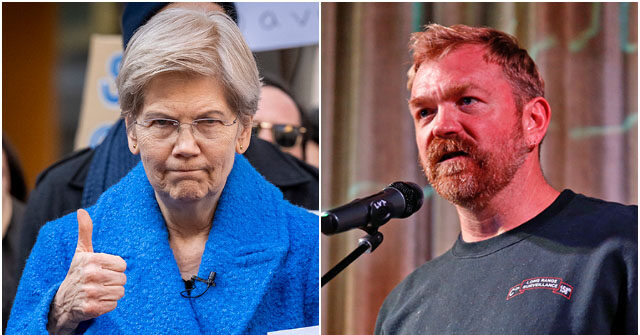
 Breitbart News
Elizabeth Warren Endorses Graham ‘Nazi Tattoo’ Platner in Senate Race
Overview
On March 19, 2026, Sen. Elizabeth Warren announced her endorsement of Graham Platner in Maine's Democratic Senate primary.
The winner of the June 9 primary will challenge Sen. Susan Collins in November, and Democrats see Maine as a key opportunity to flip the Senate.
Platner has backing from Sens. Bernie Sanders, Ruben Gallego and Martin Heinrich, while Gov. Janet Mills counts support from Sen. Chuck Schumer and Sen. Catherine Cortez Masto.
Platner raised $7.8 million last year compared with $2.6 million for Mills and $4.6 million for Collins, and Warren previously donated more than $400,000 to nearly two dozen state parties.
Warren has also endorsed Iowa state Sen. Zach Wahls and Michigan state Sen. Mallory McMorrow, and some senators have formed a so-called 'Fight Club' to play in primaries amid contested DSCC preferences.
Analysis
Center-leaning sources frame Warren as a populist powerbroker reshaping Democratic primaries, stressing intra-party clashes and strategic consequences. Editorial choices foreground her "fighter" branding, fundraising bumps, and tensions with party leaders while privileging anecdotes showing influence. Quote curation and story structure emphasize political stakes and effectiveness over deep policy debate.
FAQ
Warren's endorsement of Platner reflects support for progressive populist candidates who align with her economic agenda. Platner has positioned himself as a populist outsider challenging the establishment, contrasting with Mills' more moderate approach. Mills has vetoed progressive priorities including a wealth tax, pro-worker legislation, and mandatory rape kit testing, which Warren and her allies view as obstacles to their policy goals[1]. Warren's endorsement is part of a broader effort to back progressive Senate hopefuls across multiple states in 2026[1].
Maine is considered one of the most important Senate races in 2026 because it represents a rare opportunity for Democrats to flip a seat held by a Republican in a state that hasn't voted for a Republican presidential candidate since 1988[1]. Senator Susan Collins has represented Maine since 1997, and defeating her is viewed as critical for Democrats hoping to pick up seats in the Senate[1].
Graham Platner is an oyster farmer and combat veteran who has become the frontrunner in Maine's Democratic primary despite being a political newcomer[2]. His rise stems from his ability to capture the energy of Democratic voters frustrated with both the state of the country and their own party's response. Following Trump's second term, Platner channeled activist momentum into his campaign, including leading protests against ICE activity in Maine[2]. He has raised $7.8 million compared to Governor Mills' $2.6 million, and he holds backing from Senators Bernie Sanders, Ruben Gallego, and Martin Heinrich, in addition to Warren's recent endorsement[1].
Recent polling shows mixed results. A UNH Survey Center poll from October 2025 found Platner leading Mills in the Democratic primary, fueled by strong support among self-described socialists, progressives, and young people[3]. However, surveys from November onward present conflicting pictures, ranging from a Platner landslide to slight or commanding leads for Mills—with PanAtlantic Strategies showing Mills ahead by 10 points shortly after Thanksgiving[1]. No surveys have been conducted in 2026 as of mid-March due to limited campaign activity earlier in the year[1].
Platner represents a departure from Maine's recent statewide Democratic winners, who have typically been more moderate like Governor Mills. Historically, progressive candidates have struggled in Maine statewide races, with further-left contenders finishing far behind moderates in gubernatorial and Senate primaries[2]. Platner's success suggests a shift in voter appetite, driven by frustration with establishment politics and desire for economic populism. His campaign has been characterized by grassroots activism, including organizing protests and town halls that generated significant energy among younger and more progressive voters[2].
