Trump Blames Allies Over Hormuz, Rejects Ceasefire as US Sends Forces
Trump said he does not want a ceasefire and criticized NATO as allies decline escorting ships, while the Pentagon sends warships and Marines as the Strait of Hormuz disruption lifts energy risks.
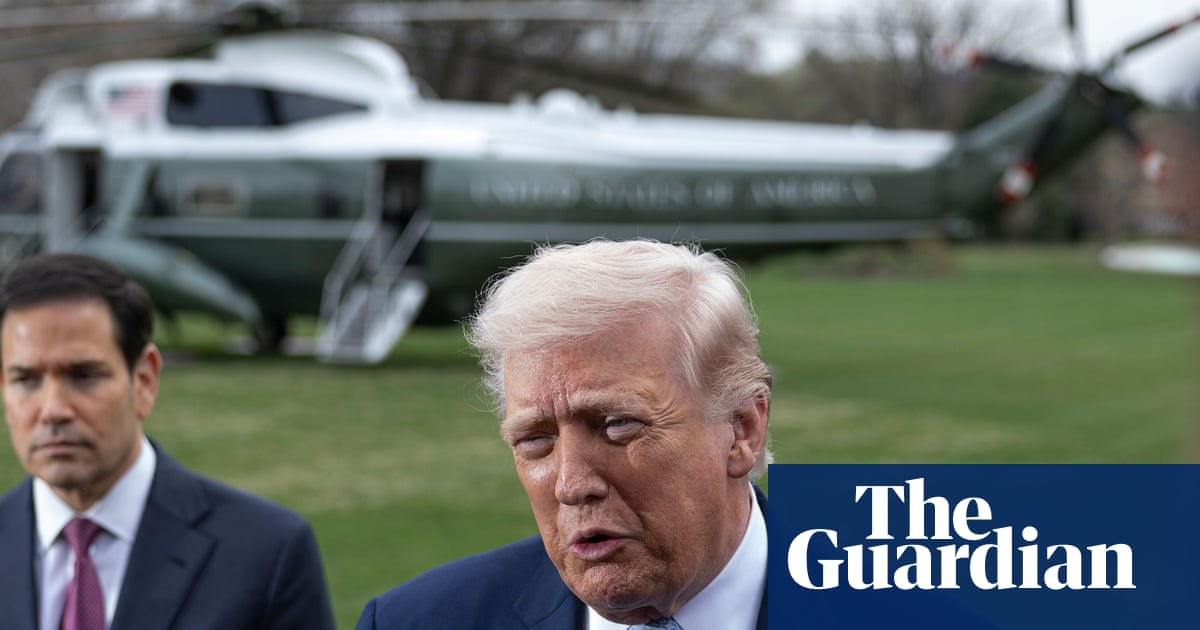
 The Guardian
Donald Trump ‘very surprised’ Australia declined to send troops to strait of Hormuz amid fuel crisis

 Al Jazeera
Trump says no ceasefire as Khamenei tells of ‘dizzying blow’ to US, Israel
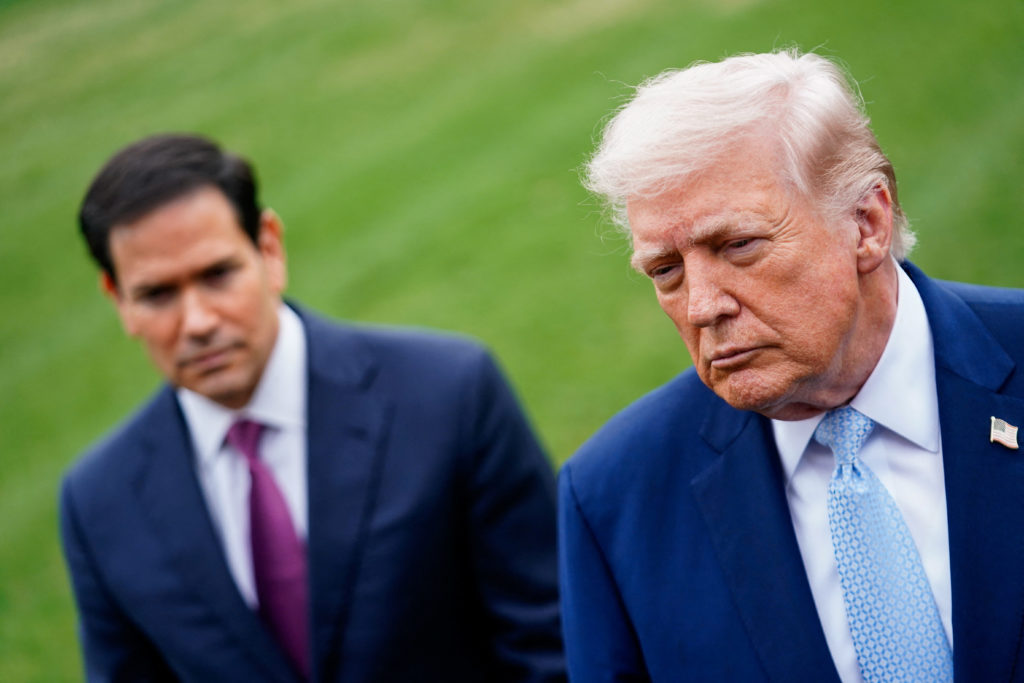
 PBS NewsHour
WATCH: Trump says 'we don't need' Strait of Hormuz after allies won't help U.S. escort ships

 Raw Story
Trump continues multi-day attacks on NATO
Overview
On 21 Mar 2026, President Donald Trump said he does not want a ceasefire with Iran and called NATO 'cowards' and a 'paper tiger' for refusing to help reopen the Strait of Hormuz.
The International Energy Agency warned the conflict, prompted by US-Israel strikes on Iran in February, is the 'greatest threat to global energy supply in the history of the world.'
Australia's foreign minister Penny Wong said after a call with US secretary of state Marco Rubio that the international community must keep working together to ensure critical waterways are not held hostage by the Iranian regime.
The Strait of Hormuz carries 20% of global oil trade and over 20% of world fertilizer commerce, highlighting the potential global impact of continued disruptions.
The Pentagon is sending three warships and another 2,500 Marines to the Middle East, marking a second deployment within a week.
Analysis
Center-leaning sources frame events as an escalating security crisis, stressing U.S. military deployments, economic fallout and leadership uncertainty. Editorial choices—words like “crimps global oil,” “US‑Israeli onslaught,” and emphasis on Pentagon actions—steer readers toward risk and urgency. Quoted statements (for example Trump’s remarks) remain source content rather than editorial invention.
FAQ
Trump stated he does not want a ceasefire with Iran[1]. While the search results do not provide Trump's explicit reasoning for rejecting diplomatic negotiations, the context indicates he is taking a military approach by deploying additional US forces—three warships and 2,500 Marines—to the region to address the shipping disruptions[1]. His criticism of NATO allies for declining to escort ships suggests he prioritizes military action over negotiated settlements to resolve the crisis.
The Strait of Hormuz carries 20% of global oil trade and over 20% of world fertilizer commerce[1]. The International Energy Agency warned that the conflict is the 'greatest threat to global energy supply in the history of the world'[1]. Shipping through the strait has collapsed by 90% following the US-Israeli strikes on Iran[2], with traffic remaining heavily suppressed as of mid-March 2026[3]. This disruption has forced oil refineries in Iraq, Kuwait, and the UAE to cut production rates, while Saudi Arabia has boosted shipments from Red Sea terminals to record levels[4].
