Grégoire Wins Paris; Far Right Captures Nice
Emmanuel Grégoire won Paris with an estimated 51 to 53 percent; run-off votes in about 1,500 communes also gave the far right a major win in Nice.

 The Gateway Pundit
ENDLESS NIGHTMARE: Socialist Candidate Emmanuel Grégoire Wins Paris Election, Keeping With Over 25 Years of Leftist Hegemony Over the Decadent French Capital | The Gateway Pundit | by Paul Serran

 Al Jazeera
Socialist Emmanuel Gregoire wins Paris mayoral race
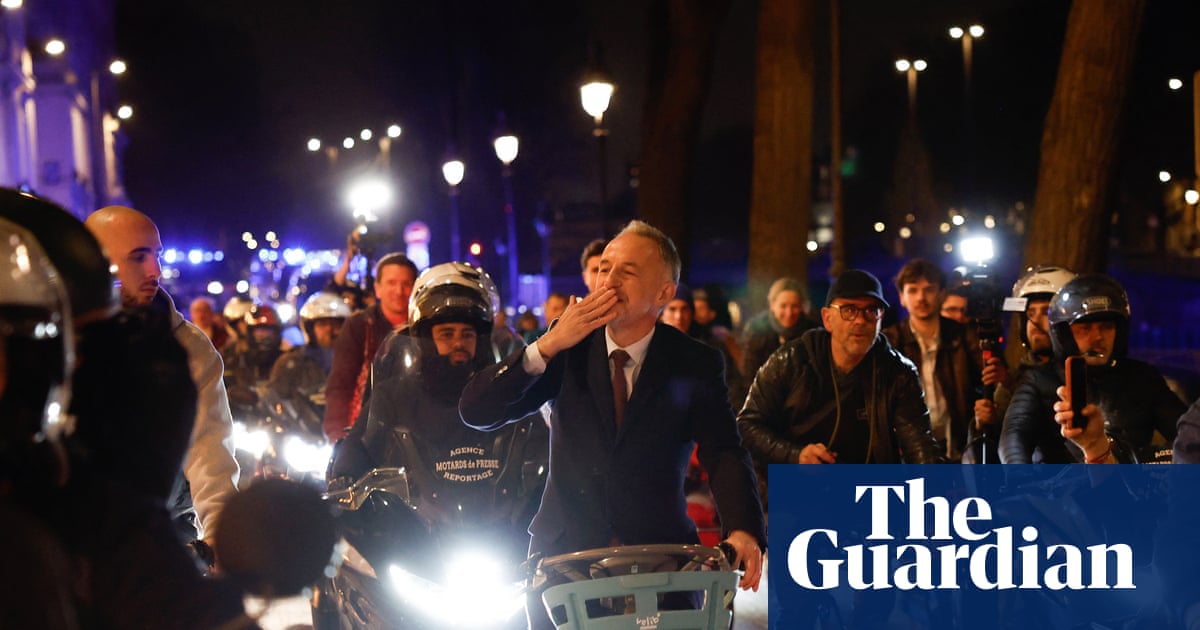
 The Guardian
Socialist Emmanuel Grégoire elected mayor of Paris
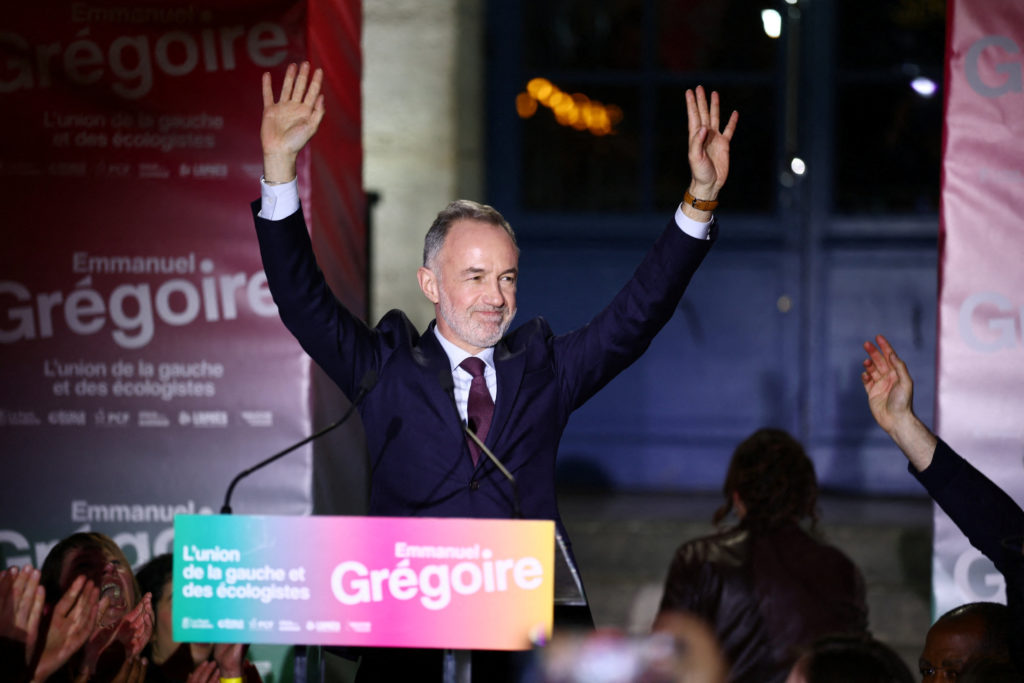
 PBS NewsHour
Emmanuel Grégoire becomes new mayor of Paris, succeeding fellow Socialist Anne Hidalgo
Overview
Emmanuel Grégoire won the Paris mayoralty with an estimated 51 to 53 percent of the vote, according to pollsters, defeating conservative Rachida Dati, who conceded.
About 1,500 communes held run-off votes seen as a test of political strength ahead of the 2027 presidential contest.
Grégoire said Paris would be the "heart of the resistance" against an alliance of the right and the far right, according to his remarks.
The left and right scored key wins, with Socialist Benoît Payan projected re-elected in Marseille at 56.3 percent according to an Elabe poll, Édouard Philippe winning Le Havre, and Eric Ciotti capturing Nice.
Definitive results were still pending Sunday evening in several large cities as parties assessed the vote's implications for the 2027 presidential race.
Analysis
Center-leaning sources present a partly framed narrative that emphasizes national stakes: upbeat language ('resounding,' 'clear gains') and placement of Grégoire’s victory and quote about Paris rejecting the far right foreground left success. Source selection balances leaders’ quotes and a voter anecdote, but structural emphasis ties local results to the 2027 presidential test.
FAQ
Emmanuel Grégoire is a Socialist candidate who won the Paris mayoral race, succeeding fellow Socialist party member Anne Hidalgo as the French capital's mayor.[1] He claimed victory with an estimated 51 to 53 percent of the vote, defeating conservative rival Rachida Dati.[1]
The far right achieved a major victory in Nice, France's fifth largest city on the French Riviera, where Eric Ciotti, a former conservative who allied with the National Rally of Marine Le Pen, won the mayoral race.[1] However, the National Rally's far-right candidates lost in several cities identified as top priorities, including Marseille, Nîmes, and Toulon.[1]
These municipal elections are viewed as a test of the balance of power on France's local political map before the 2027 presidential race begins to take shape.[1] The results help parties assess their strength and positioning ahead of the national presidential contest.
About 1,500 communes held run-off votes in the final round of municipal elections.[1] Key results included Socialist Benoît Payan's projected re-election in Marseille, France's second largest city, where he defeated far-right candidate Franck Allisio.[1] Édouard Philippe won in Le Havre, while far-right candidates lost in the southern cities of Nîmes and Toulon, which were major targets for the National Rally.[1]
French mayors and municipal councilors are elected for six-year terms.[1] The 2026 municipal elections featured a two-round process, with voters selecting mayors in approximately 93% of 35,000 villages, towns, and cities in the first round, followed by run-off votes in about 1,500 communes in the final round.
