Judge Voids Pentagon Press Credential Policy
Judge Paul L. Friedman found the Pentagon's credentialing rules violated the First and Fifth Amendments and the department said it will appeal.
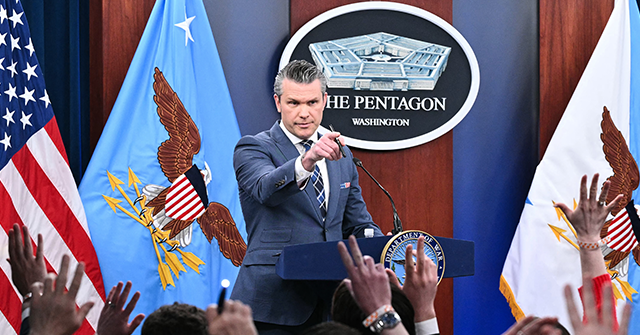
 Breitbart News
Federal Judge Strikes Down Pentagon Press Policy, Admin to Appeal

 Mother Jones
Judge sides with New York Times against Pentagon’s press restrictions
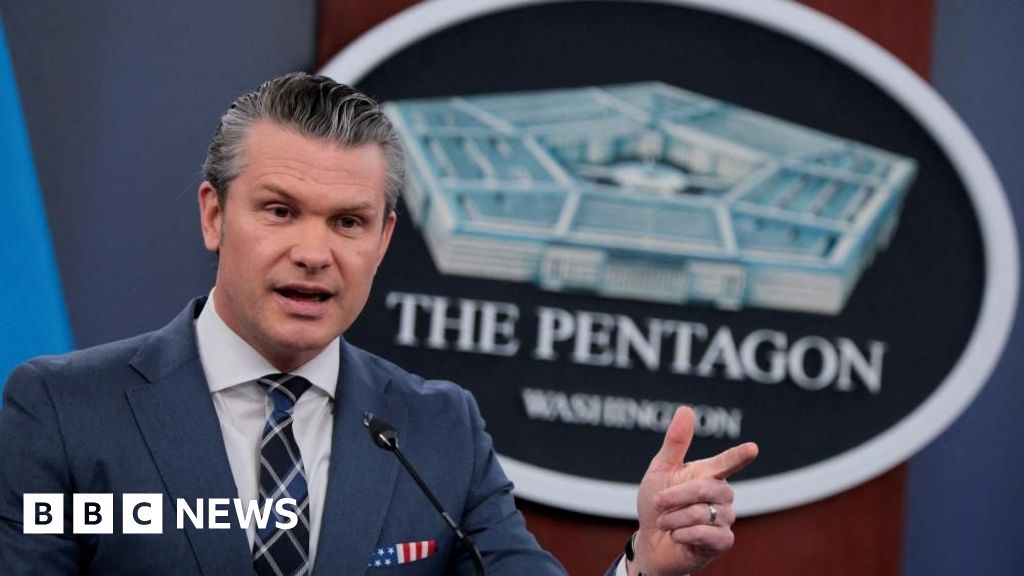
 BBC News
Pentagon restrictions on press violate First Amendment, judge rules

 Daily Beast
Pentagon Pete Humiliated as Judge Voids Bonkers Policy
Overview
U.S. District Judge Paul L. Friedman ruled that the Pentagon's press credentialing policy violated the First and Fifth Amendments and invalidated measures tied to credentialing.
The lawsuit was filed in December by a major newspaper challenging restrictions introduced after a January 2025 rotation of Pentagon workspaces and further access rules in May and October 2025.
Pentagon spokesperson Sean Parnell said the department disagrees with the decision and is pursuing an immediate appeal, while the newspaper plaintiff called the ruling a reaffirmation of reporters' rights and the Pentagon Press Association celebrated the outcome.
The policies had led many established outlets to surrender or lose daily access and prompted the department to replace long-standing correspondents in the Correspondents' Corridor after the January 2025 rotation, drawing backlash from the Pentagon Press Association.
The ruling left some escort requirements in place but blocked provisions that could bar reporters for 'soliciting' information, and the Pentagon indicated it will seek an immediate appeal, leaving access rules subject to further legal action.
Analysis
Center-leaning sources frame coverage in favor of press freedom by foregrounding the judge's ruling and using phrases like "widespread condemnation" and "forfeit their press passes." They prioritize The New York Times and press-group reactions, highlight a lengthy First Amendment passage, and give only brief space to the Pentagon's disagreement, creating a pro-press narrative.
FAQ
The judge invalidated parts of the Pentagon's press credentialing policy, including vague restrictions on 'soliciting' unauthorized information, which could bar reporters for routine newsgathering like asking questions, finding them to violate the First Amendment's free speech protections and the Fifth Amendment's due process.
The New York Times and reporter Julian E. Barnes filed the lawsuit on December 4, 2025, challenging the policy under the Administrative Procedure Act for First and Fifth Amendment violations.
Pentagon spokesperson Sean Parnell stated the department disagrees with the decision and is pursuing an immediate appeal.
Some escort requirements for reporters in certain Pentagon areas were left intact, along with restrictions on physical access without an escort.
The Pentagon Press Association celebrated the ruling as confirming the policy violated the Constitution and called for immediate reinstatement of credentials for all its members.