Supreme Court Weighs Limits On Late Mail Ballots
High Court will hear Watson v. RNC on March 23 to decide if states may count ballots postmarked by Election Day but received after it, affecting 14 states and overseas voters.
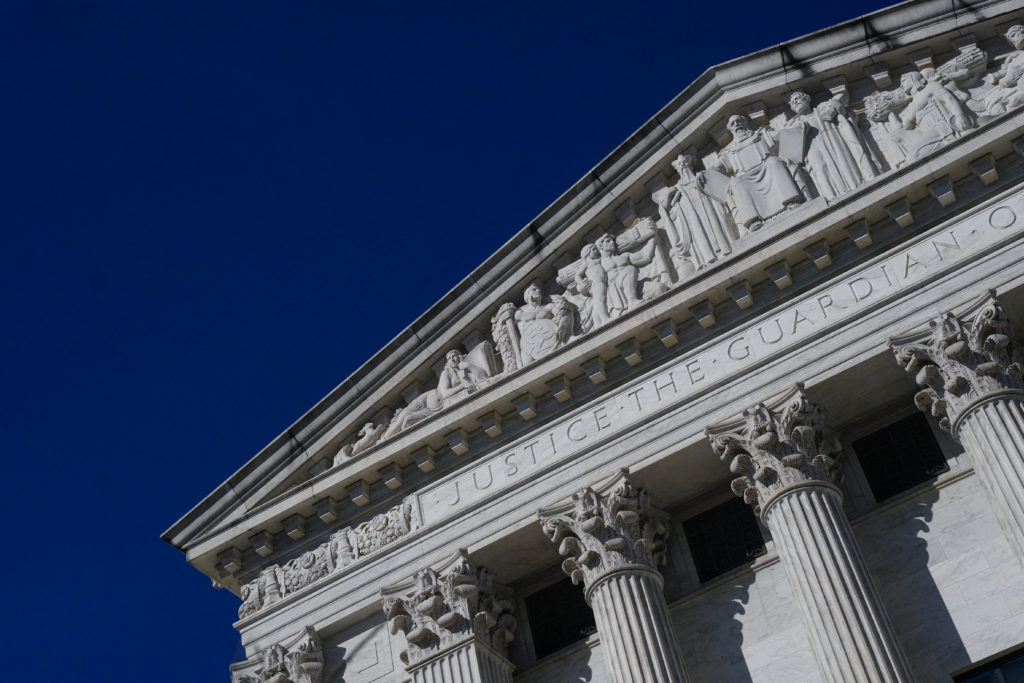
 PBS NewsHour
LISTEN LIVE: Supreme Court considers late-arriving mail ballot laws in case that may affect midterms
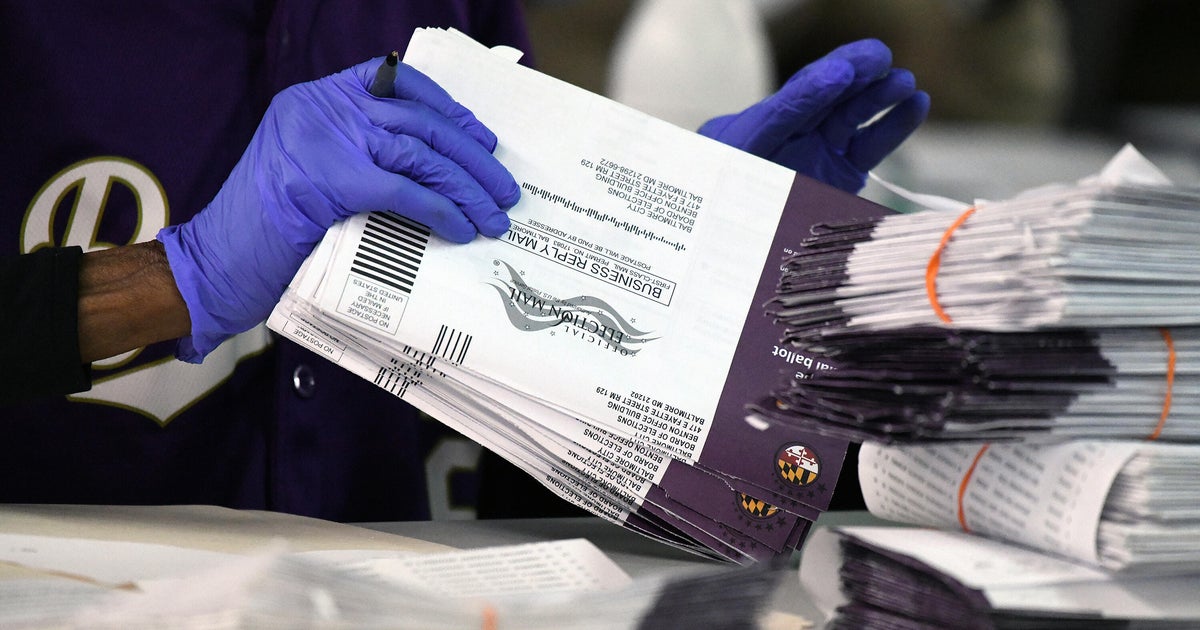
 CBS News
Supreme Court to consider deadlines for late-arriving mail ballots, as Trump continues attacks

 CNN
CNNTrump’s efforts to curb mail-in voting come to the Supreme Court as they falter in Congress | CNN Politics

 USA TODAY
Trump push on mail-in ballots hits Supreme Court. What it means for the midterms
Overview
The Supreme Court will hear Watson v. RNC on March 23 to decide whether states may count mail ballots postmarked by Election Day but received afterward, court filings show.
The case challenges Mississippi's law allowing ballots received up to five days after the election if postmarked by Election Day and could affect other state 'grace periods,' filings and briefs say.
The RNC and the Trump administration argue federal Election Day statutes require ballots be received by Election Day, while Mississippi and veterans' groups defend counting timely-postmarked ballots, filings show.
About 14 states and the District of Columbia have post-Election Day grace periods, 29 states and D.C. accept at least some military and overseas late ballots, and four states eliminated grace periods last year, sources say.
A Supreme Court ruling could prompt state law changes, affect military and overseas voters, and shape debates over national election overhaul proposals, legal analysts and advocates warned.
Analysis
Center-leaning sources present the dispute as a technical, administratively risky legal question and emphasize the dangers of changing rules mid-election. Editorial choices — selecting experts who warn of confusion (Adav Noti, Justin Levitt), highlighting consequential state-level impacts, and using a critical aside calling Trump’s 2020 fraud claims “evidence-free” — create a cautious, process-focused frame while keeping partisan statements as source content.
FAQ
The case challenges whether states like Mississippi can count mail ballots postmarked by Election Day but received up to five days later.
About 14 states and the District of Columbia allow grace periods for mail ballots received after Election Day if postmarked by Election Day.
The RNC and Trump administration argue federal law requires ballots received by Election Day; Mississippi and veterans' groups defend counting timely postmarked ballots.
A ruling could prompt state law changes, affect military and overseas voters, and influence 2026 midterms and national election reforms.
Oral arguments are scheduled for March 23, coinciding with high-stakes discussions on mail-in ballot rules.

