Senators Seek Ban On Sports, Casino-Style Bets As Markets Tighten Rules
Bipartisan bill targets sports and casino-style contracts as Kalshi and Polymarket add insider-trading bans and states pursue legal actions.
 MEDIAite
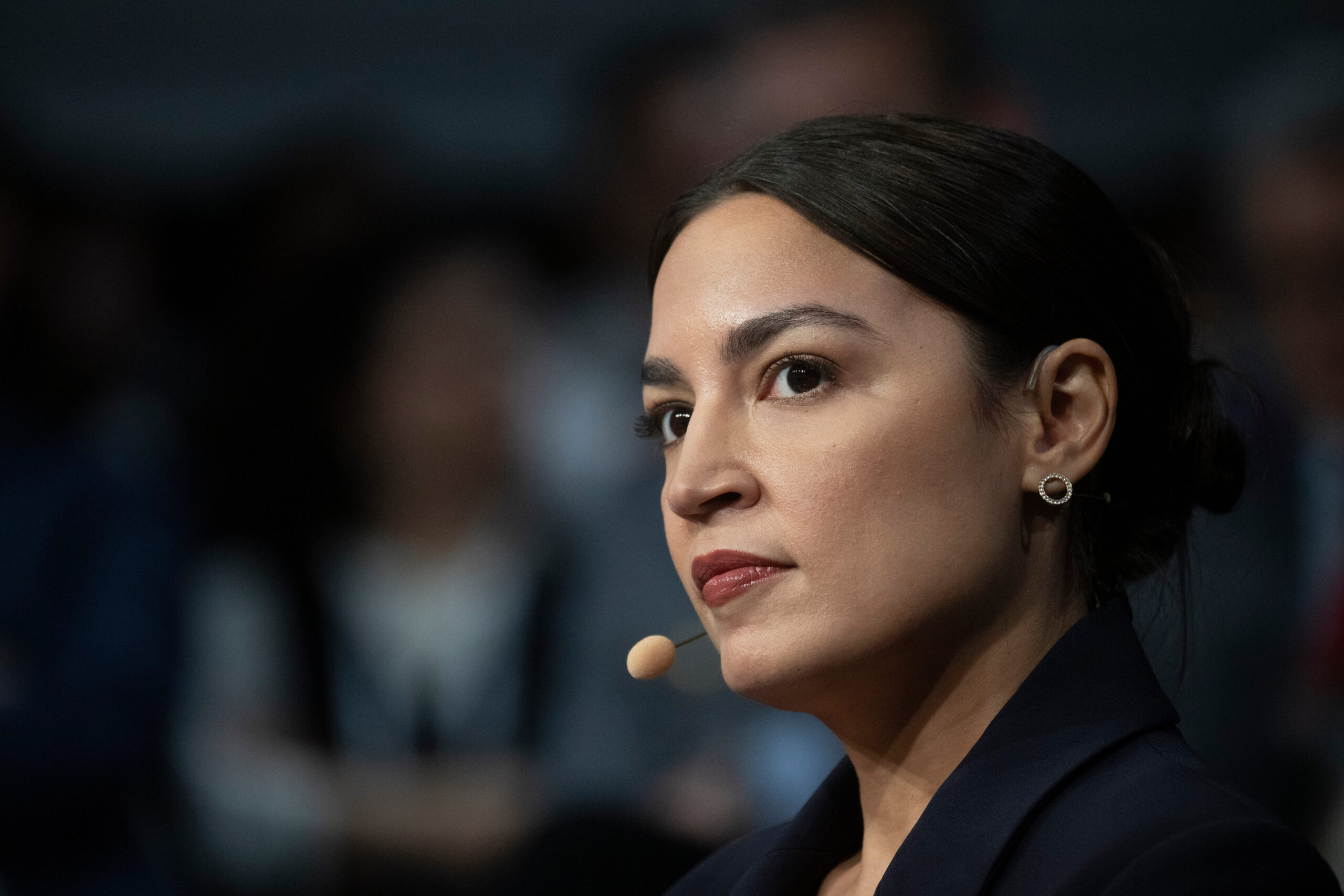
AOC Slams Prediction Markets’ Move to Curb Insider Trading

 CBS News
Polymarket buckles down on insider trading after scrutiny over suspiciously timed bets
 Associated Press
Kalshi and Polymarket rush to ban insider trading as senators move to curb prediction markets
 Breitbart News
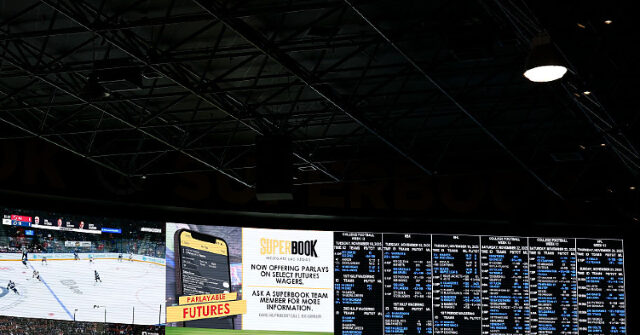
U.S. Senate Moving Bi-Partisan Bill to Ban Sports Betting on Prediction Markets like Kalshi, Polymarket
Overview
Senators Adam Schiff and John Curtis introduced the "Prediction Markets Are Gambling Act" on Monday to ban prediction markets from creating sports and casino-style event contracts.
Kalshi and Polymarket on Monday tightened rules to block political candidates, athletes and others with confidential or influential access and to ban trades based on stolen confidential information or illegal tips, the companies said.
Arizona's attorney general Kris Mayes filed criminal charges alleging Kalshi ran an illegal gambling operation and took bets on Arizona elections without a license, she said.
Total sports wagers grew from $4.9 billion in 2017 to $121.1 billion in 2023, a growth senators cited as context for targeting prediction markets.
A Nevada judge issued a temporary restraining order that bans most of Kalshi's operations in the state until its next hearing on 3 April.
Analysis
Center-leaning sources frame prediction markets as a consumer- and regulatory-risk story: editorial choices foreground senators’ condemnatory statements and prosecutors’ charges, emphasize insider-trading and death-bet episodes, and spotlight marketing stunts and high valuations to imply rapid, risky growth, while company rebuttals and industry safeguards are presented later and less prominently.
FAQ
Prediction markets like Kalshi and Polymarket allow users to bet on real-world events beyond just sports, including political outcomes and other non-financial events, operating similarly to sportsbooks but in an unregulated industry.[1][2] Traditional sports betting is regulated by states and generates revenue for them, whereas prediction markets have grown into a multi-billion-dollar unregulated industry that disregards state gambling laws.[1] The key distinction is that prediction markets operate under a Commodity Futures Trading Commission exemption that states argue violates their consumer protections and revenue streams.[3]
Prediction markets have become a haven for **insider trading** and **national security leaks** because individuals with material, nonpublic information—such as government officials, political candidates, and athletes—can place bets on outcomes they have confidential access to or can influence.[1][2] This creates conflicts of interest and allows those with insider knowledge to profit unfairly while potentially disclosing sensitive information.[1] The Prediction Markets Security and Integrity Act seeks to address this by barring individuals from using material nonpublic information and requiring enforcement by the Department of Justice and state attorneys general.[1]
Kalshi and Polymarket tightened their rules to block political candidates, athletes, and others with confidential or influential access from betting, and they banned trades based on stolen confidential information or illegal tips.[4] Additionally, Senator Blumenthal's legislation proposes requiring age verification to prevent individuals under 21 from using these platforms, restricting artificial intelligence from targeting gamblers, and setting baseline criteria that include banning addictive features and allocating revenue to gambling addiction treatment.[1]
The "Prediction Markets Are Gambling Act" introduced by Senators Adam Schiff and John Curtis would ban prediction markets from creating sports and casino-style event contracts.[4] More broadly, Senator Blumenthal's "Prediction Markets Security and Integrity Act" establishes comprehensive safeguards including federally-enforced rules on insider trading and market manipulation, bans on listings related to war and death, age verification requirements, and a requirement that states approve wagering programs before prediction markets can operate in their jurisdictions.
Prediction markets face multiple legal challenges, including criminal charges filed by Arizona's attorney general alleging that Kalshi ran an illegal gambling operation and took bets on Arizona elections without a license.[4] Additionally, a Nevada judge issued a temporary restraining order banning most of Kalshi's operations in the state until April 3.[4] States argue that prediction markets violate state consumer protections and gambling regulations while generating no public revenue, contrasting with regulated sports betting which generated $121.1 billion in 2023.

