Supreme Court Weighs Counting Late Mail-In Ballots
High court heard Watson v. Republican National Committee over whether ballots postmarked by Election Day but received later may be counted, potentially altering voting rules in multiple states.

 Daily Caller
Gregg Jarrett Predicts Why Supreme Court Justices Won't Justify Mail-In-Ballots After Election Day
 AlterNet
Supreme Court has become Trump's ultimate get-out-of-jail card — and they know it

 Western Journal
Supreme Court May Be Poised to Strike Down Acceptance of Mail-In Ballots After Election Day, Following Oral Argument Comments
 PJ Media
The Supreme Court Seems Ready to Make ELECTION DAY Great Again. Thank God.
Overview
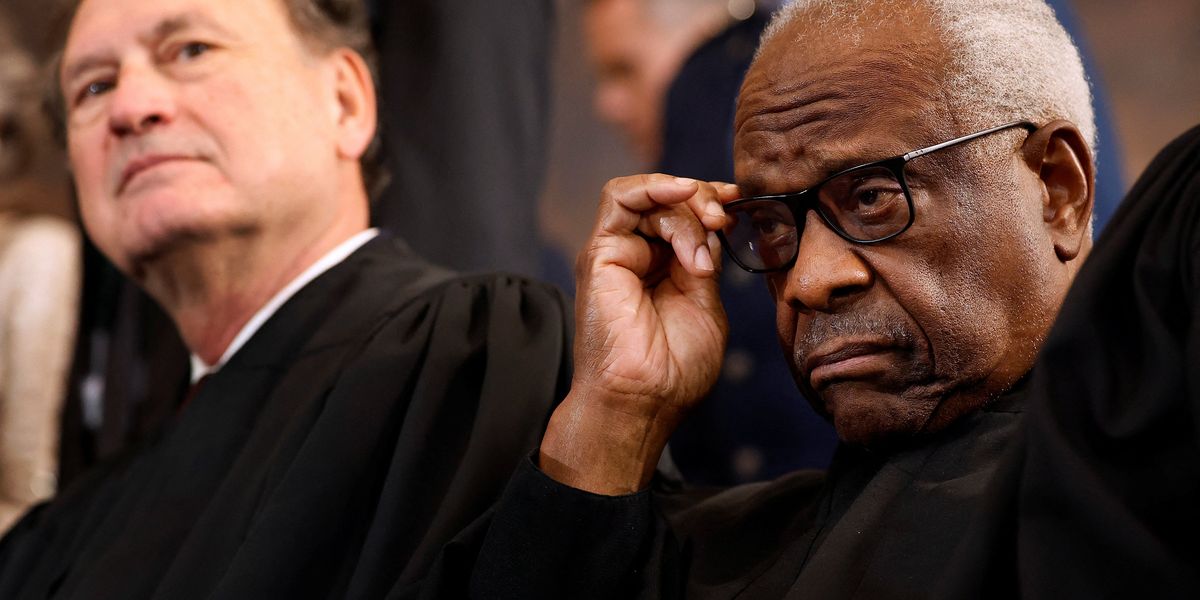
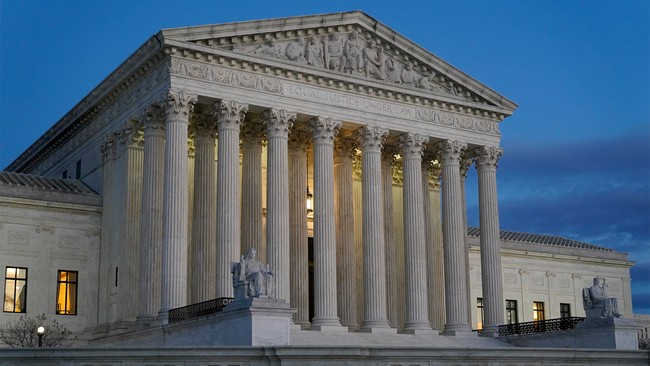
The U.S. Supreme Court heard oral arguments in Watson v. Republican National Committee, with several conservative justices expressing skepticism about state laws that count mail ballots received after Election Day.
A ruling could restrict states' practice of counting ballots mailed by Election Day but received later, potentially changing when mailed ballots must arrive to be counted.
The Republican National Committee and other challengers argued Mississippi's five-business-day grace period violates a federal statute setting a single Election Day, while liberal justices and state proponents defended state discretion over election rules.
A decision could affect roughly 14 to 30 states, plus Washington, D.C., and U.S. territories that allow postmarked-by-Election-Day grace periods, and Mississippi's law permits ballots received up to five business days after Election Day.
The court is expected to issue a decision in June, and Congress is considering voting bills including the Make Elections Great Again Act and the SAVE America Act that could affect mail voting rules.
Analysis
Center-leaning sources are largely neutral: they lay out state-by-state rules and data (14 states with grace periods, 29 with some extended time), quote officials expressing practical concerns (Jesse Salinas, Lisa Murkowski) and note opposing actions (states eliminating grace periods) without using loaded language or privileging one narrative.
FAQ
The case challenges Mississippi's policy of counting mail-in ballots postmarked by Election Day but received up to five business days later, arguing it violates a federal statute establishing a single Election Day.
Several conservative justices expressed skepticism about state laws allowing late-received mail ballots.
A decision could impact 14 to 30 states, plus Washington, D.C., and U.S. territories that allow grace periods for ballots postmarked by Election Day.
The court is expected to issue a decision in June.
Congress is considering the Make Elections Great Again Act and the SAVE America Act, which could affect mail voting rules.
