Danish Election Leaves Frederiksen Without Clear Path To Power
Neither left nor right won a majority; centrist Moderates hold 14 seats and could determine the next government.
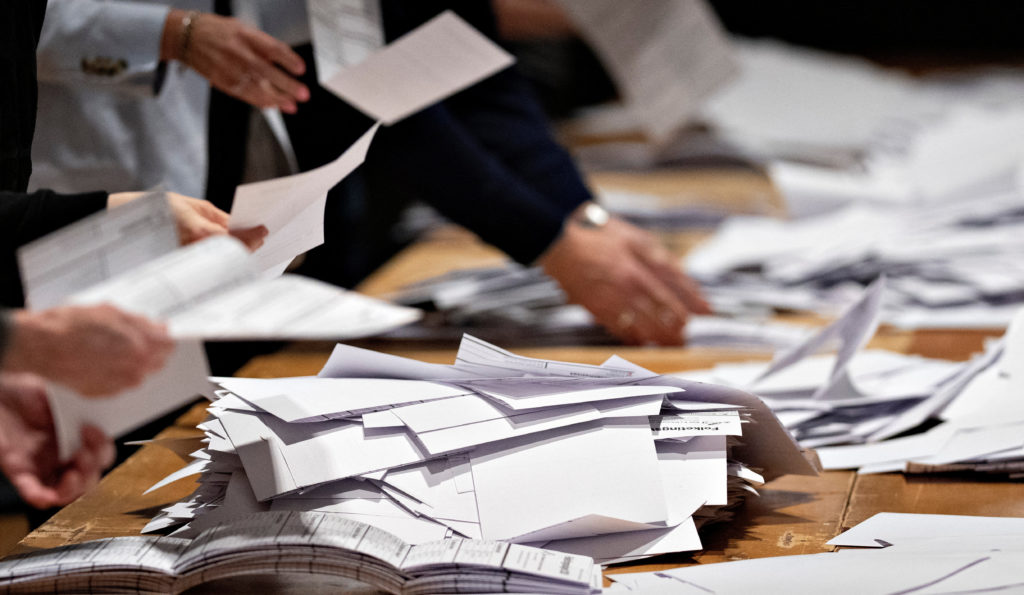
 PBS NewsHour
Danish prime minister's future unclear after election results show indecisive outcome
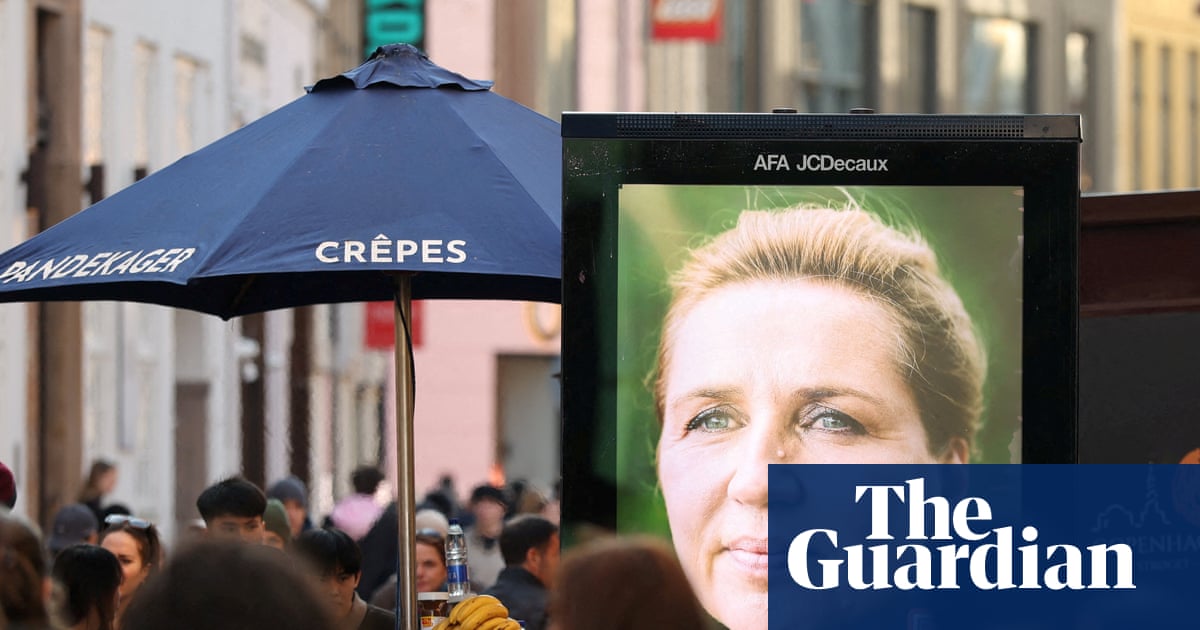
 The Guardian
Mette Frederiksen’s leftwing bloc fails to win majority in Danish election

 CNN
CNNDenmark’s Frederiksen bruised in election, as voters put Trump’s Greenland ambitions to the side | CNN

 The Gateway Pundit
Denmark’s PM Frederiksen Called Snap Election To Surf on Trump’s Greenland Controversy, But Cost-Of-Living Led Her Social Democrats To Worst Results Since Early 20th Century | The Gateway Pundit | by Paul Serran
Overview
Full results showed the Social Democrats won about 21–22% of the vote but the left-leaning "red bloc" finished 84 seats short of a majority in the 179-seat parliament.
The right-leaning "blue bloc" also fell short with 77 seats, putting the centrist Moderates and their leader Lars Løkke Rasmussen, who won 14 seats, in the kingmaker role.
Prime Minister Mette Frederiksen, 48, called an early election in February after her handling of a crisis over President Donald Trump's push for Greenland, but that issue did not dominate the campaign.
Domestic issues including the cost of living, pensions and a proposed 0.5% wealth tax on assets above 25 million kroner were prominent campaign topics, and the Social Democrats' 2022 share was 27.5%.
Denmark now faces weeks of coalition talks with the four seats from Greenland and the Faroe Islands potentially influential and more than 4.3 million eligible to vote.
Analysis
Center-leaning sources frame the election as a boost to Mette Frederiksen by portraying her as a decisive, unifying leader and casting President Trump as an antagonist. Language choices ('stood up to President Trump'), sympathetic source selection (Ida Auken, Aaja Chemnitz), and evocative structure (national hymn, campaign posters) emphasize unity and strength.
FAQ
Lars Løkke Rasmussen is a Danish politician who served as Prime Minister twice (2009-2011 and 2015-2019), founded the centrist Moderates party in 2021, and currently serves as Minister of Foreign Affairs in Mette Frederiksen's government.
The left-leaning red bloc has seats falling short of a majority (approximately 95 seats needed), the right-leaning blue bloc has 77 seats, and the centrist Moderates hold 14 seats in the 179-seat parliament.
Prime Minister Mette Frederiksen called an early election in February after her handling of a crisis over President Donald Trump's push for Greenland, though domestic issues like cost of living, pensions, and a wealth tax dominated the campaign.
With 14 seats, the centrist Moderates led by Lars Løkke Rasmussen are in the kingmaker position, as neither the red nor blue bloc achieved a majority, potentially deciding the coalition.
The four seats from Greenland and the Faroe Islands could be influential in the upcoming weeks of coalition talks, given the lack of majority for either major bloc.