Judge Restores Reporters' Access as Pentagon Closes Media Offices
Judge Paul Friedman ordered restoration of press credentials and struck down broad media rules; the Pentagon closed inside offices, required escorts and said it will appeal the ruling.
 Raw Story
NYT goes on offense as Pentagon tries to defy court order with a word salad press policy
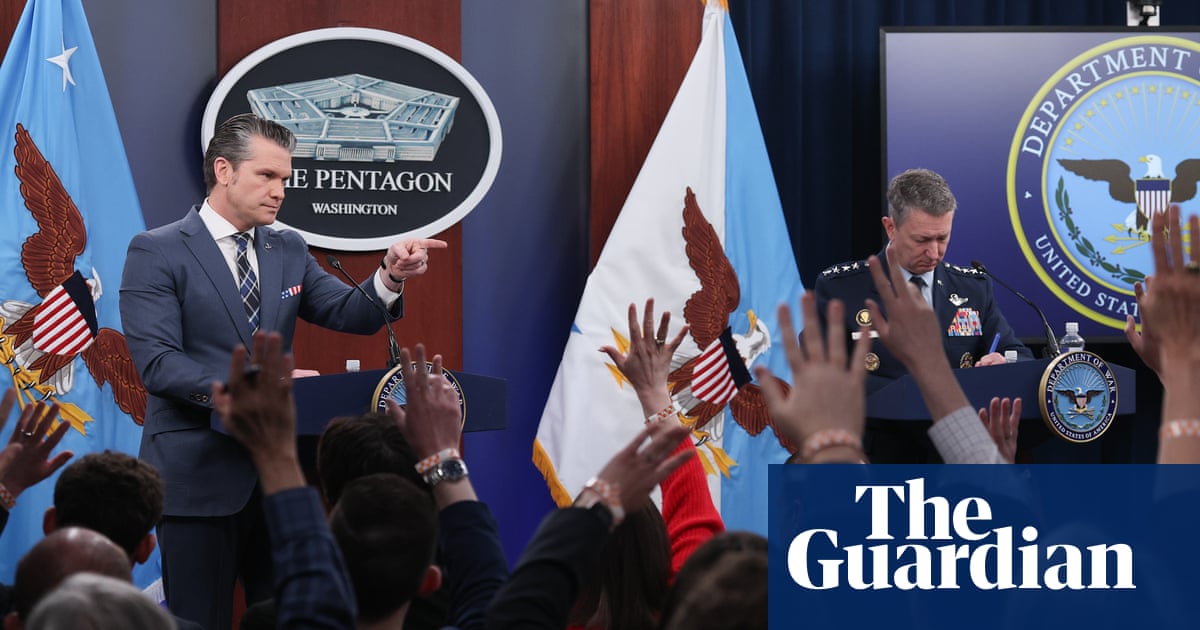
 The Guardian
New York Times accuses Pentagon of defying judge’s press access order

 Deadline
New York Times Says Pentagon Is "Defying" Court Order
 PBS NewsHour
Pentagon faces another legal challenge over new media rules
Overview
A federal judge, Paul Friedman, issued an injunction undoing major portions of the Pentagon's media agreement and ordered seven journalists be returned their press badges.
The ruling found the department's restrictions vague and unconstitutional and said they threatened reporters' First Amendment rights and public access to information about military actions.
The Pentagon announced it will close the correspondents' corridor, move reporters to an annex outside the main building, require escorts for anyone entering, and described its revised policy as an 'interim' measure.
Dozens of news organizations had turned in press credentials rather than accept the prior rules, and the departing corps was replaced by outlets that offered favorable coverage of Pentagon decisions, according to court filings and reporting.
Plaintiff attorneys said the revised policy 'contemptuously defies' the court's order and will return to court, press groups said they are consulting legal counsel, and the department said it plans to appeal.
Analysis
Center-leaning sources frame the story as an assault on press freedom, highlighting the judge's ruling and the New York Times' and press association's critical statements. Editorial choices—loaded terms like "clear violation," prominent placement of the judge's findings, and limited emphasis on the Pentagon's security rationale—create a civil‑liberties narrative.
FAQ
Judge Friedman struck down restrictions deeming reporters who solicit classified information as security risks, a section calling access a 'privilege' rather than a right, and vague terms violating First and Fifth Amendments, finding them unconstitutional viewpoint discrimination.
The New York Times and its reporter Julian E. Barnes sued the Pentagon, arguing the policy violated First Amendment, Fifth Amendment, and due process rights.
The Pentagon plans to appeal the ruling, closed the correspondents' corridor, moved reporters to an annex, requires escorts for entry, and calls its revised policy an 'interim' measure.
The judge found the policy's purpose was to weed out disfavored journalists through viewpoint discrimination, violated First Amendment press freedoms, and was unconstitutionally vague under the Fifth Amendment due to lack of fair notice for routine journalism.
The policy followed incidents like Defense Secretary Pete Hegseth sharing sensitive Yemen airstrike info, removal of workspaces from outlets like NYT, POLITICO, and CNN, and was imposed in September requiring pledges not to publish unapproved information, causing major outlets to surrender credentials.

