Supreme Court Weighs Limits on Late-Arriving Mail Ballots
Justices heard Watson v. RNC on counting ballots postmarked by Election Day but received days later; a ruling is expected in June and could force states to alter election plans.
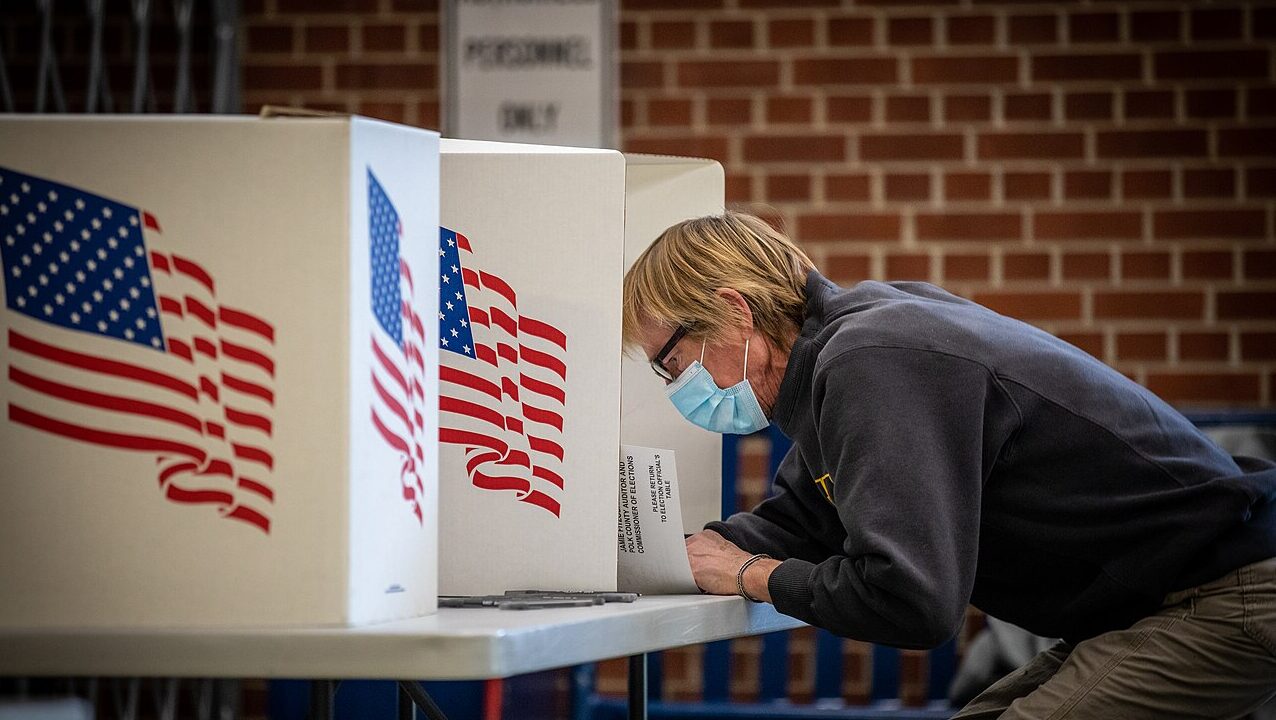
 The Federalist
Media: Single Election Day Is 'Chaos,' Not Months-Long Mail Balloting
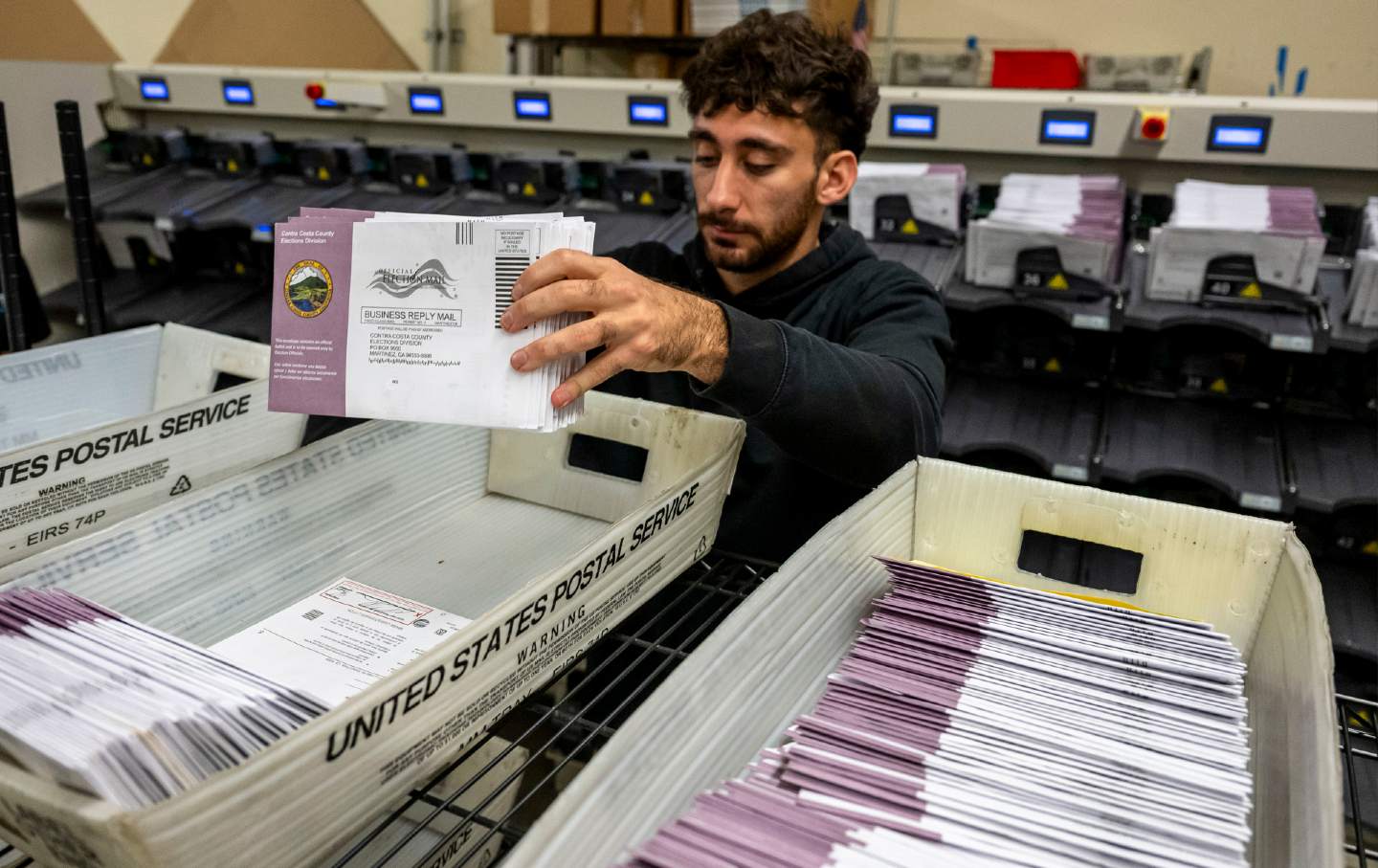
 The Nation
The Supreme Court Looks Likely to Cave on Mail-In Ballots
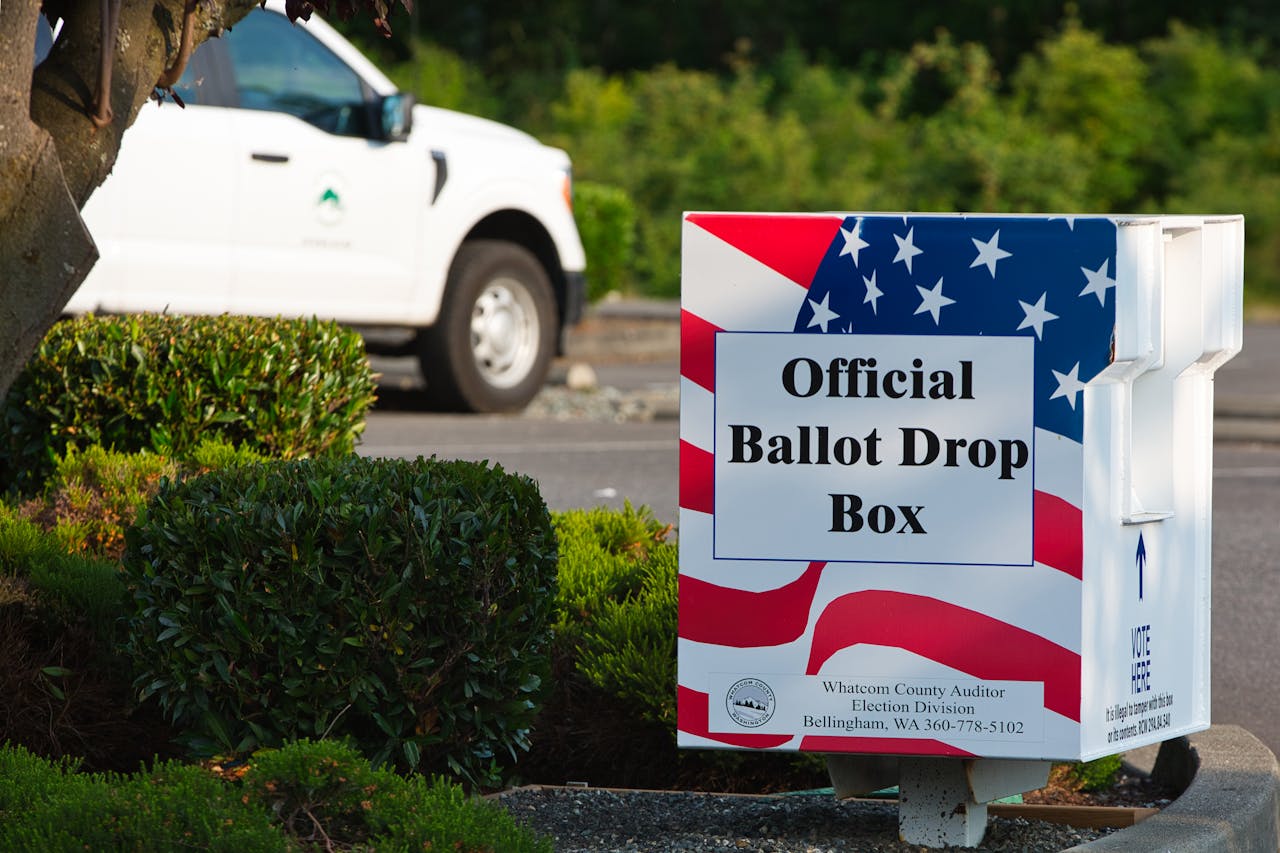 The Federalist
SCOTUS Leary About States Accepting Post-Election Day Ballots
 Reason
Mail-in ballots, the 2026 election, and the Supreme Court
Overview
The Supreme Court heard arguments Monday in Watson v. RNC over whether states may count mail ballots received after Election Day.
The case challenges Mississippi's law allowing ballots postmarked by Election Day to arrive up to five business days later and affects Nevada and 13 other states that permit similar late counting, officials said.
Nevada Secretary of State Cisco Aguilar told staff to prepare for November if the court changes rules and said educating voters shortly before the election cannot be done overnight.
Officials said 98% of Nevada's mail ballots arrive before Election Day and 95% of late arrivals land the next day, and Illinois reported 106,000 ballots arrived within its 14-day grace period in 2024.
The court's decision, expected in June, could force states to reprint voter education materials and reshape deadlines for military, overseas and rural voters, election administrators warned.
Analysis
Center-leaning sources frame the dispute as a high-stakes constitutional clash, emphasizing controversy and national implications. Editorial choices—loaded descriptors ("high-profile," "controversial"), selection of the RNC challenge and presidential remarks, and stress on uncertain oral-argument signals—create urgency, while quoted briefs and justices remain source content providing legal detail.
FAQ
The case challenges whether federal election-day statutes (2 U.S.C. § 7, 2 U.S.C. § 1, and 3 U.S.C. § 1) preempt Mississippi's law allowing mail ballots postmarked by Election Day to be received and counted up to five business days later.
District court granted summary judgment for defendants in July 2024; Fifth Circuit reversed in October 2024, holding ballots must be received by Election Day; rehearing en banc denied in March 2025; Supreme Court granted certiorari in November 2025.
The ruling could impact Mississippi, Nevada, and up to 30 other states with similar grace periods for mail ballots postmarked by Election Day.
States may need to alter election plans, reprint voter materials, and adjust deadlines for military, overseas, and rural voters; could disenfranchise voters in states allowing late-arriving ballots.