Supreme Court Weighs Revival Of Border 'Metering' Asylum Policy
Court heard whether the Trump administration can reinstate 'metering' that limited asylum claims at U.S.-Mexico ports of entry, testing the meaning of 'arrive in' under asylum law.
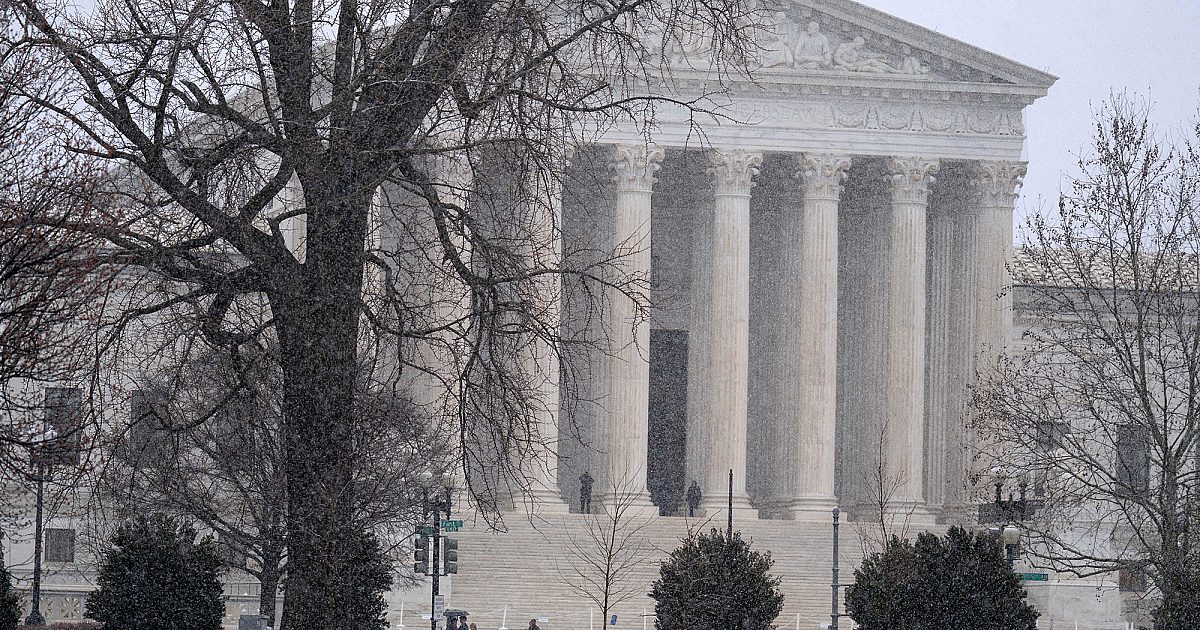
 World News Group
SCOTUS hears arguments on limiting migrant asylum

 ABC News
Supreme Court considers letting Trump administration revive restrictive immigration asylum policy

 New York Post
Supreme Court gets into epic grammar battle while determining if Trump can rebuff asylum seekers at the border
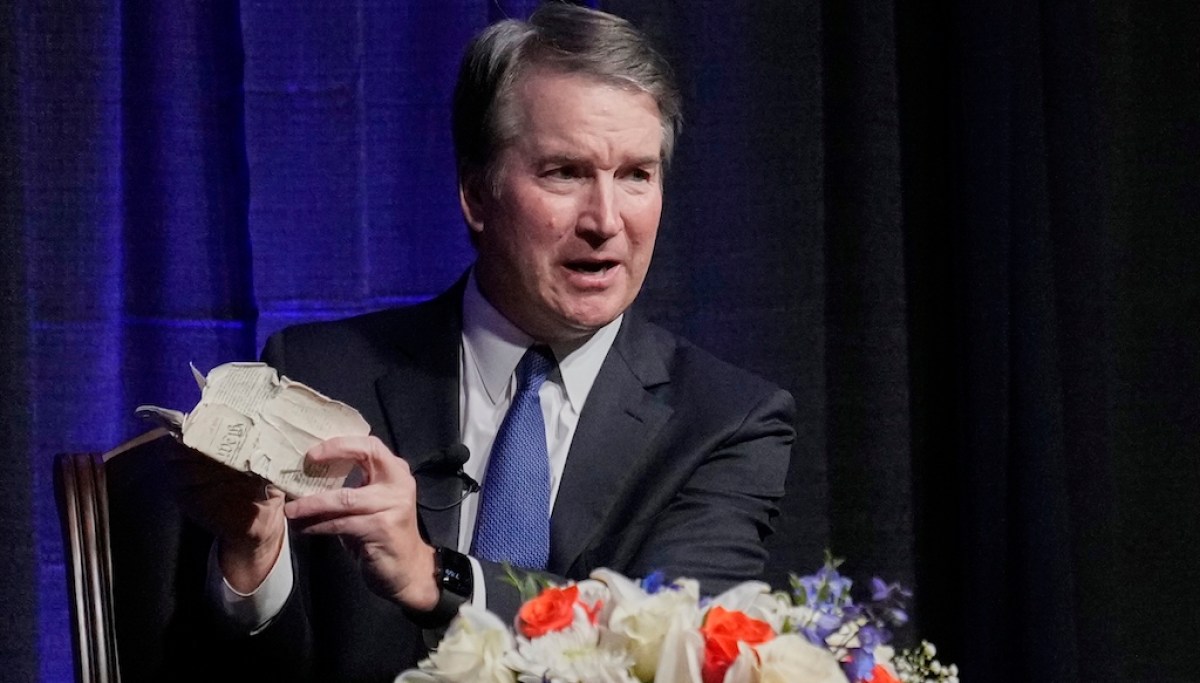
 Washington Examiner
Kavanaugh concerned asylum policy gives illegal immigrants an advantage
Overview
The Supreme Court on Tuesday heard arguments on whether the Trump administration may reinstate "metering," a practice that limited asylum applicants at U.S.-Mexico ports of entry, the Justice Department argued.
The dispute centers on whether asylum applies when migrants "arrive in" the United States or only after stepping onto U.S. soil, a question under the Immigration and Nationality Act.
Advocates said metering created a humanitarian crisis and sued; some conservative justices appeared receptive to the government's view while liberal justices questioned ruling without a policy in effect.
The Associated Press found thousands on waiting lists when metering was used in 2019; a federal judge ruled it unlawful in 2021 and the 9th Circuit affirmed in 2024 by a 2-1 decision.
The court's upcoming decision will resolve clashes over surge management and asylum access and is among several immigration cases this term, including challenges over birthright citizenship and asylum protections.
Analysis
Center-leaning sources present this story neutrally, reporting who said what and balancing conservative and liberal questioning. They rely on direct quotes for contested claims (government attorney, justices) and avoid loaded adjectives, providing context about prior administrations’ use of metering and treaty concerns, emphasizing factual balance rather than advocacy.
FAQ
Asylum metering is a practice where U.S. Customs and Border Protection (CBP) officers at U.S.-Mexico ports of entry limit the number of asylum seekers they process by asserting lack of capacity, requiring migrants to wait in Mexico on unofficial lists for weeks or months before they can apply.
Metering began as early as 2016 at certain ports and was first notably used during the Obama administration with Haitian migrants at San Diego. It expanded border-wide under the Trump administration starting in late April 2018.
The case centers on whether asylum seekers must physically 'arrive in' the United States—meaning step onto U.S. soil—or if presenting at ports of entry qualifies under the Immigration and Nationality Act.
A U.S. District Judge ruled in 2021 that metering violated migrants' constitutional rights and federal asylum law. The 9th Circuit Court of Appeals affirmed this in a 2-1 decision in 2024.
Metering led to thousands on waiting lists in Mexico, creating a humanitarian crisis as reported by the Associated Press in 2019, with migrants left to languish indefinitely.

