USC Pulls California Governor Debate After Criticism Over Excluding Candidates Of Color
USC canceled a gubernatorial debate after controversy that its selection formula excluded four prominent nonwhite Democrats, prompting calls to boycott and sparking academic defenses of the methodology.
 Hot Air
CA Goobernatorial Follies: When They Cancel Your Talk for Lack of COC
 FOX News
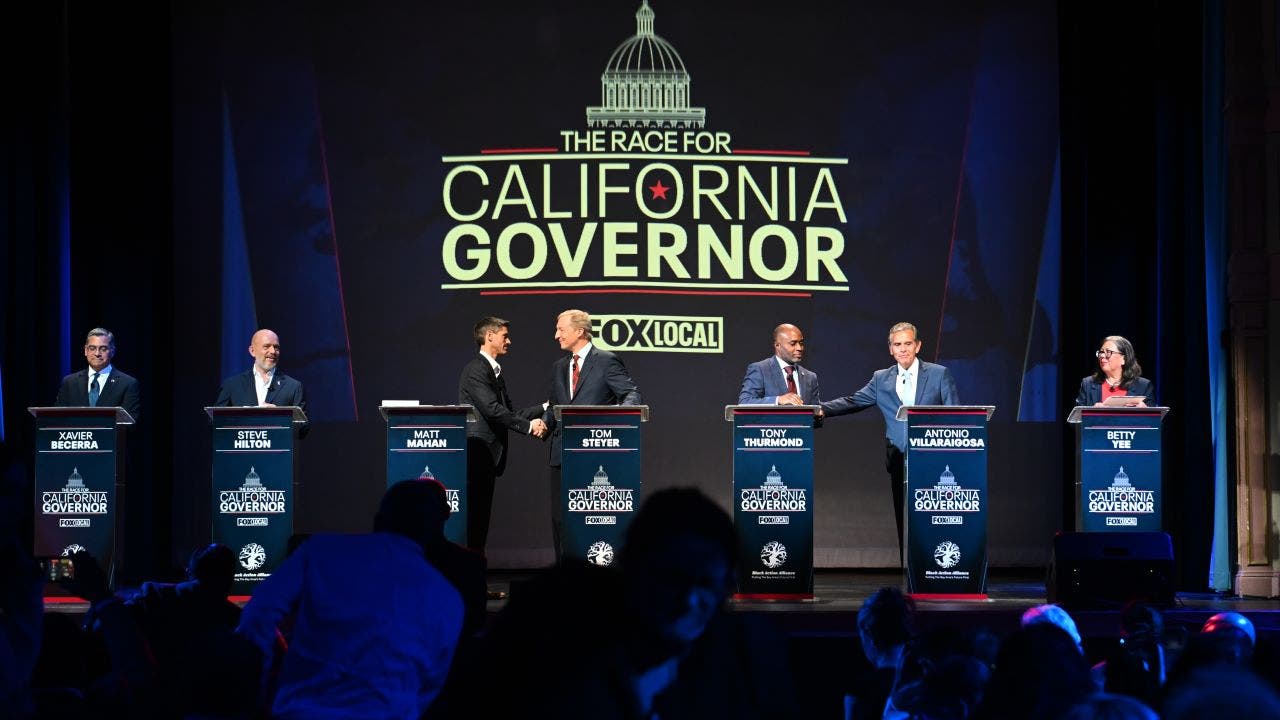
California university cancels gubernatorial debate after backlash for all White candidates
 The Post Millennial
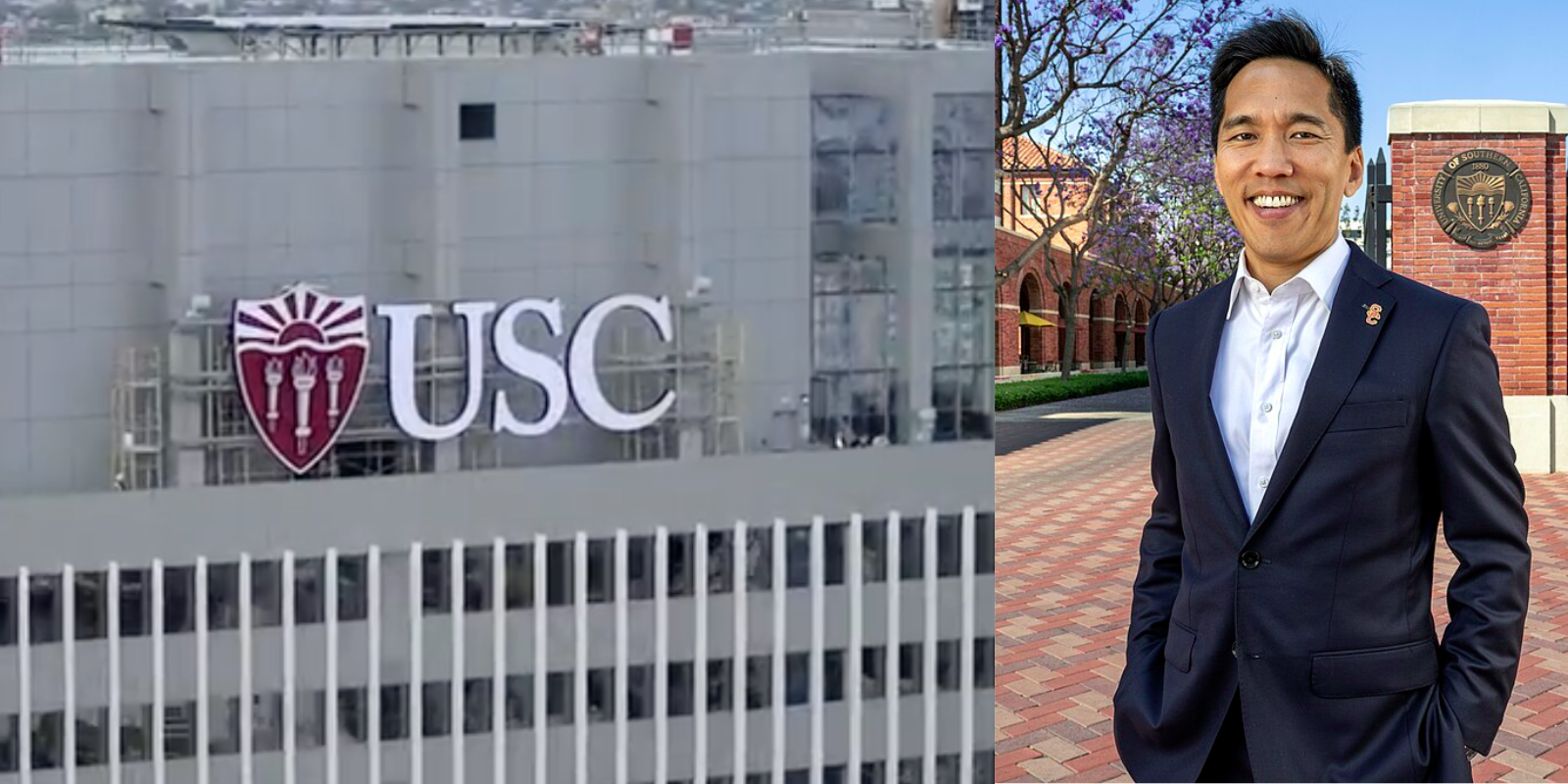
USC cancels California gubernatorial debate because all qualifying candidates are white
 MEDIAite
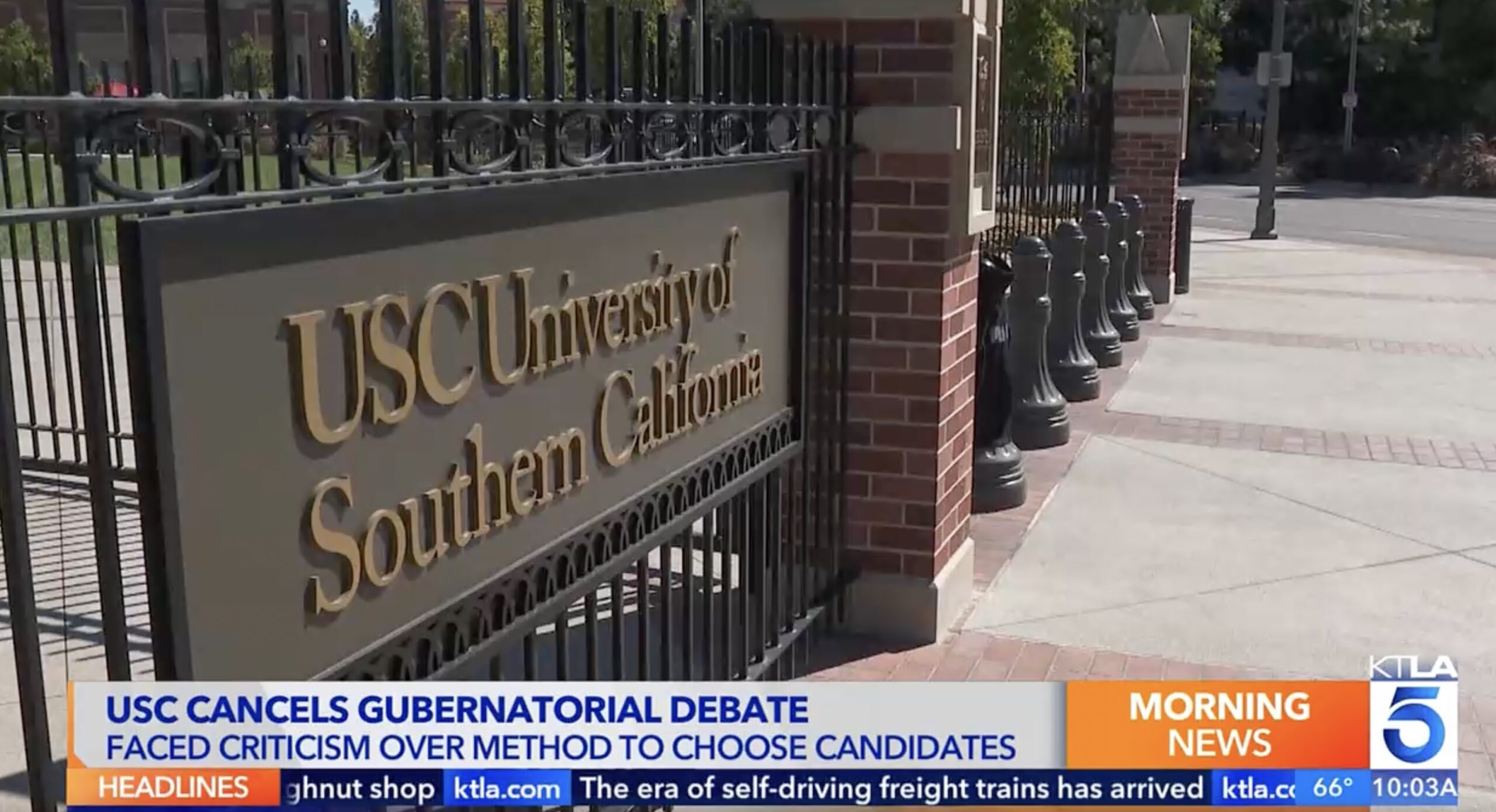
California University Cancels Governor Debate Over ‘Blowback’ for Candidates Being All White
Overview
USC canceled a gubernatorial debate late Monday, saying concerns about the selection criteria had created a significant distraction and co-host KABC could not agree to expand the field.
The controversy centered on a data-driven candidate viability formula that excluded Xavier Becerra, Antonio Villaraigosa, Tony Thurmond and Betty Yee, while inviting six white candidates, organizers said.
Democratic legislative leaders, including Assembly Speaker Robert Rivas and Senate President Pro Tem Monique Limón, urged voters to boycott the debate if excluded candidates were not invited.
A poll released by the California Democratic Party showed roughly 16 to 17% support for Steve Hilton and roughly 14 to 16% for Chad Bianco, with several Democrats around 10%, party officials said.
USC said it will look for other opportunities to educate voters, and some campaigns tried to arrange an alternative event that ultimately did not materialize, campaign officials said.
Analysis
Center-leaning sources present the reporting neutrally, balancing accusations of discrimination with the university’s defense and a scholars’ letter supporting the selection formula. They include quotes from excluded candidates, legislative leaders and affected candidates, and provide polling and fundraising context, foregrounding competing claims and factual details rather than endorsing a single narrative.
FAQ
USC Professor Christian Grose and the USC Democracy and Fair Elections Lab developed a data-driven candidate viability scoring system based on independent and objective criteria[4]. The formula ranked candidates on viability scores, with the top six candidates invited: Steyer (28.96), Hilton (10.23), Swalwell (9.37), Porter (9.01), Mahan (8.70), and Bianco (8.09)[4]. However, the specific data inputs and weighting methodology were not fully detailed in public statements, though USC claimed the scores were validated on March 12, 2026 with additional data showing the same top six candidates[4].
Four prominent Democratic candidates of color were excluded from the debate: former U.S. Health and Human Services Secretary Xavier Becerra, former Los Angeles Mayor Antonio Villaraigosa, California Controller Tony Thurmond, and California Treasurer Betty Yee[1][2]. These exclusions became the central point of controversy, as all six invited candidates were white[2].
Mike Murphy, a co-director of the USC center hosting the debate, was voluntarily advising an independent expenditure committee backing San José Mayor Matt Mahan, one of the invited candidates[1]. Murphy stated he had nothing to do with organizing the debate and requested unpaid leave from USC through the June 2 primary if he took a paid role in the campaign[1]. Additionally, Democratic legislative leaders noted that the methodology elevated a candidate with notable ties to USC's donor community and to the center's leadership[2].
USC canceled the debate less than 24 hours before it was scheduled to take place, stating that concerns about the selection criteria had created a significant distraction from the issues voters care about[2]. The university also cited that it and co-sponsor KABC had not been able to reach an agreement on expanding the number of candidates at the debate[2]. USC said it would look for other opportunities to educate voters on the candidates and issues[2].
Democratic legislative leaders, including Assembly Speaker Robert Rivas and Senate President Pro Tem Monique Limón, called the methodology biased and urged California voters to boycott the debate if excluded candidates were not invited[2]. They argued that the formula—which had never been used before at this scale—was designed to produce a pre-determined outcome favoring a candidate with ties to USC's donor community[2]. Multiple Democratic candidates also called for rivals to boycott the debate in solidarity with excluded candidates[1].