EPA Issues Emergency Waiver Allowing E15 Sales This Summer
Temporary waiver permits gasoline with up to 15% ethanol from May 1 to May 20 and can be reissued through the summer.

 Straight Arrow News
EPA waives summer ethanol fuel restrictions in push to ease pump pains

 The New Yorker
How High Could Gas Prices Get?
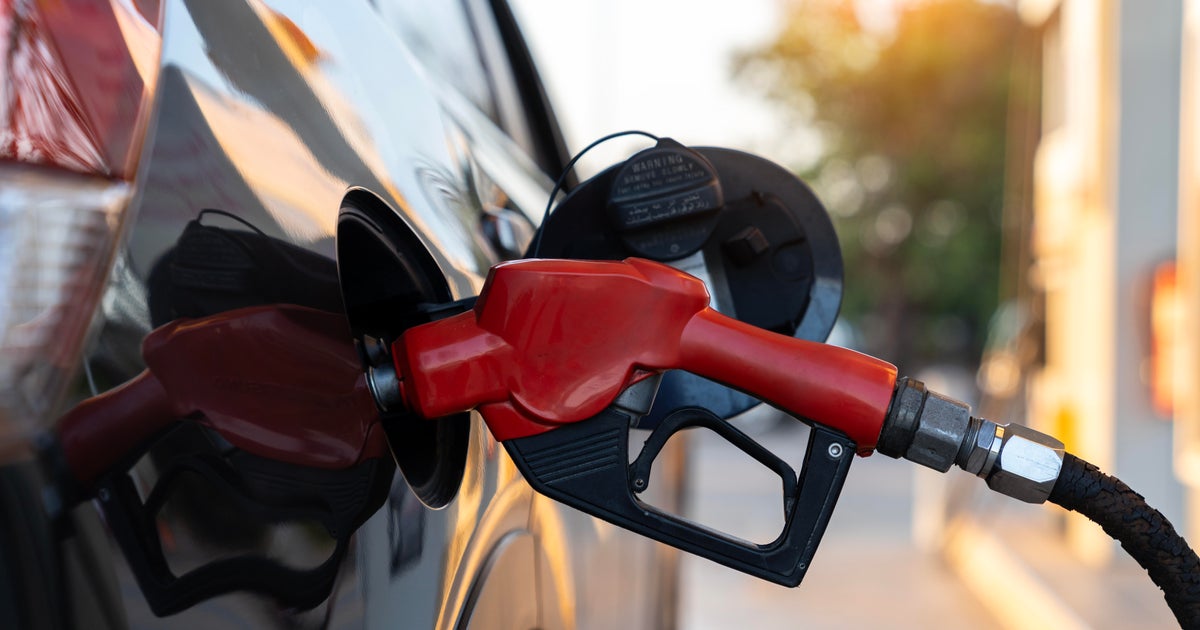
 CBS News
Trump administration waives summer gasoline regulations to ease fuel prices
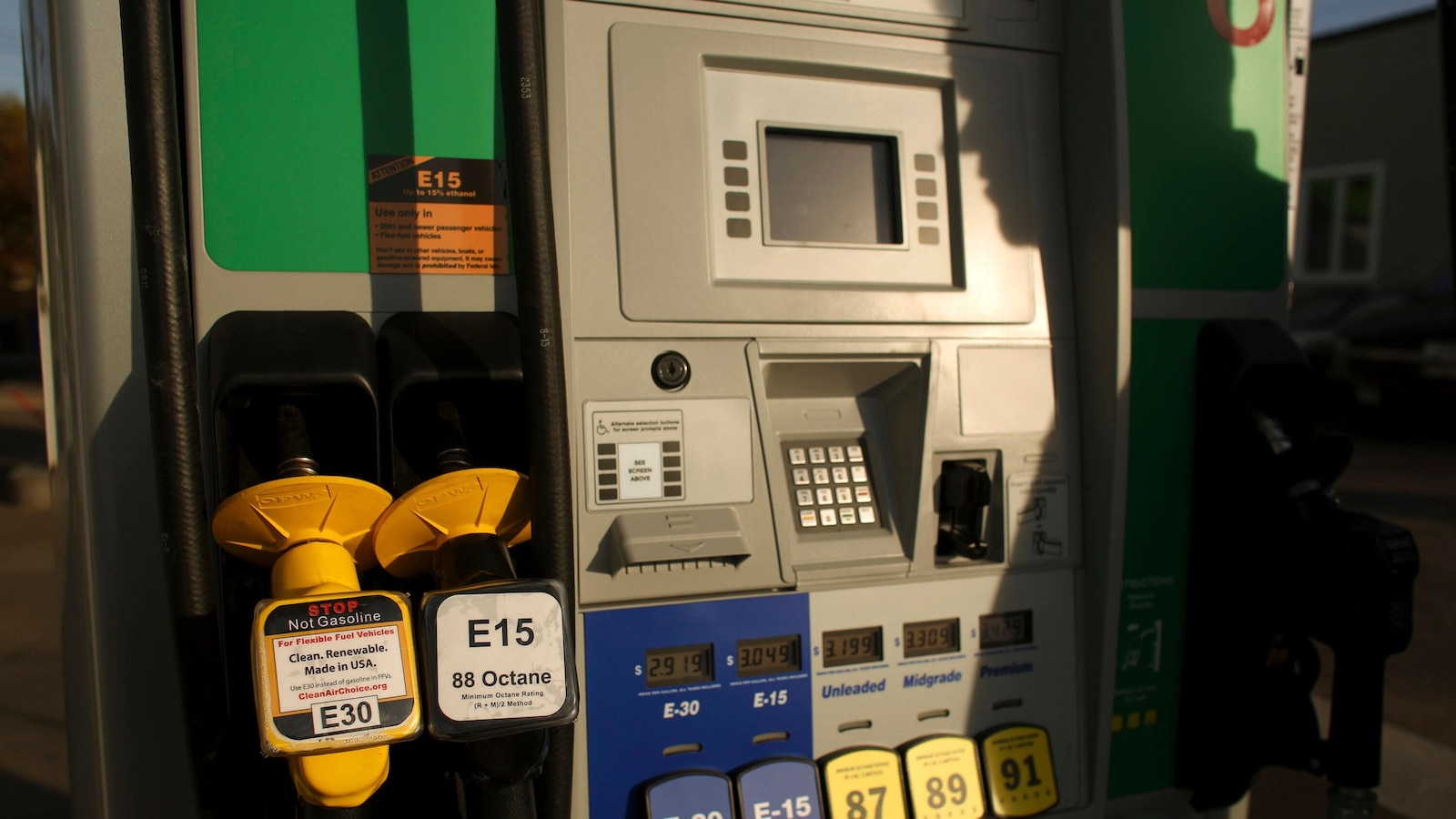
 ABC News
EPA approves sale of higher ethanol fuel to try to lower gas prices
Overview
EPA Administrator Lee Zeldin issued an emergency waiver allowing nationwide sale of gasoline containing up to 15% ethanol, known as E15, the agency said.
The agency said the move aims to strengthen gas supply and keep prices affordable amid rising fuel costs tied to the war in Iran and Strait of Hormuz disruptions.
American Coalition for Ethanol CEO Brian Jennings and Agriculture Secretary Brooke Rollins praised the waiver, while Yale professor Kenneth Gillingham and University of Minnesota professor Jason Hill warned of limited price effects and food‑feed tradeoffs.
The initial waiver will run from May 1 to May 20, the maximum number of days allowed, and the EPA can reissue the waiver throughout the summer, continuing a practice used since 2022, the agency said.
Legislation to allow year‑round E15 remains stalled in Congress amid disputes about midsize refinery exemptions, and supporters have urged including any final agreement on year‑round sales in the farm bill, lawmakers said.
Analysis
Center-leaning sources present the EPA decision neutrally, balancing administration statements and industry praise with expert skepticism about infrastructure limits, emissions risks and food-price trade-offs. Coverage relies on attributed quotes and academic sources, avoids loaded adjectives, and juxtaposes supportive political messaging with technical caveats, reflecting limited editorial framing.
FAQ
E15 is gasoline blended with 15% ethanol, compared to the standard E10 blend which contains 10% ethanol[1][2]. E15 is promoted as a lower-carbon, more affordable fuel option that can save drivers 10 to 30 cents per gallon[4]. The main difference is the higher ethanol content, which affects the fuel's Reid Vapor Pressure (RVP) properties, requiring special environmental waivers during summer months in most of the country[1].
Normally, E15 cannot be sold during summer driving season (starting May 1 at terminals and June 1 at retail stations) in approximately two-thirds of the country due to Reid Vapor Pressure regulations designed to limit evaporative emissions and prevent smog[1]. The emergency waiver temporarily exempts E15 from these restrictions by extending the 1-psi RVP waiver already applied to E10 gasoline to E15[1][2]. The EPA determined that extreme and unusual fuel supply circumstances exist, citing global conflicts and supply chain disruptions as justification[5].
No significant impact on air quality is expected. EPA research has shown no significant impact on evaporative emissions when the 1-psi waiver is extended to E15[1]. Because the RVP of E10 and E15 gasoline used by consumers will be the same under the waiver, EPA does not expect air quality impacts from this limited action[1]. In 2024, the EPA noted that extending the carveout would result in "no overall change in evaporative emissions[5]."
Permanent legislation to allow year-round E15 sales remains stalled in Congress amid disputes about midsize refinery exemptions[2]. Supporters of E15 have urged that any final agreement on year-round sales be included in the farm bill, but these efforts have not yet resulted in enacted legislation[2]. Instead, the EPA has continued issuing temporary emergency waivers on a seasonal basis since 2022[2].
The initial waiver runs from May 1 to May 20, which is the maximum number of days allowed under the Clean Air Act for a single waiver[1][2]. However, the EPA is expected to issue new waivers to effectively extend the emergency fuel waiver throughout the summer driving season for as long as extreme and unusual fuel supply circumstances persist[1].
