UK Bans Crypto Donations to Shield Democracy
Starmer imposes moratorium on crypto political donations and caps overseas voter donations at £100,000 after a Rycroft review warned of foreign interference.

 The Gateway Pundit
British Labour Government Temporarily Blocks Crypto Donations for Political Parties in Blow to Nigel Farage’s Reform UK | The Gateway Pundit | by Paul Serran
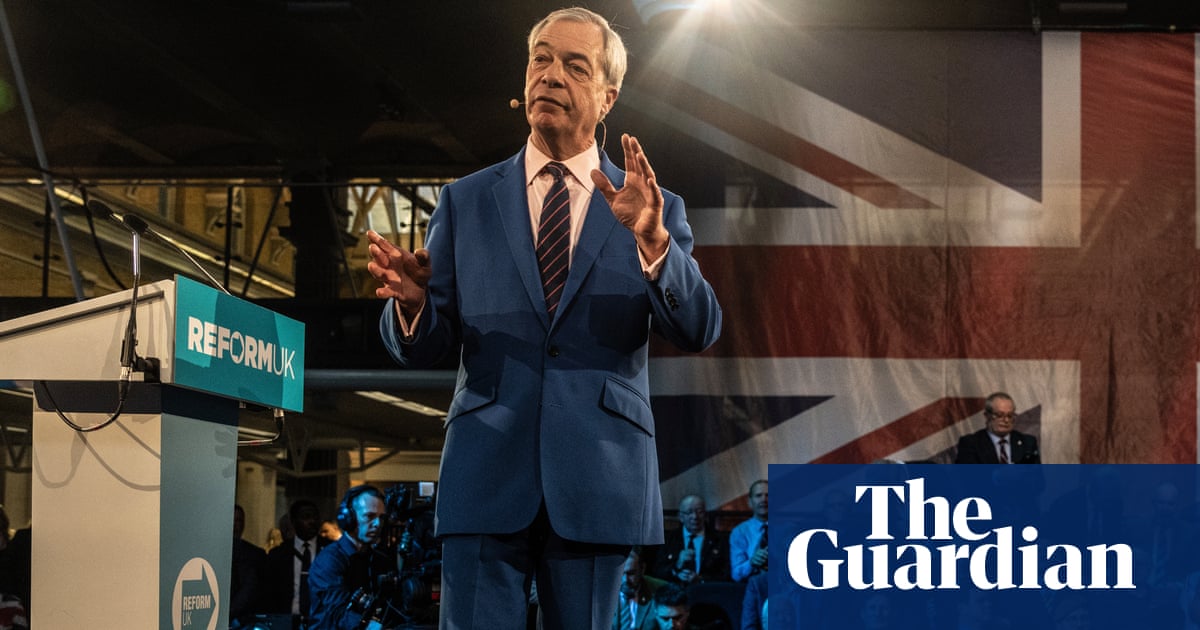
 The Guardian
Overseas political funding capped and crypto donations blocked in blow to Reform UK
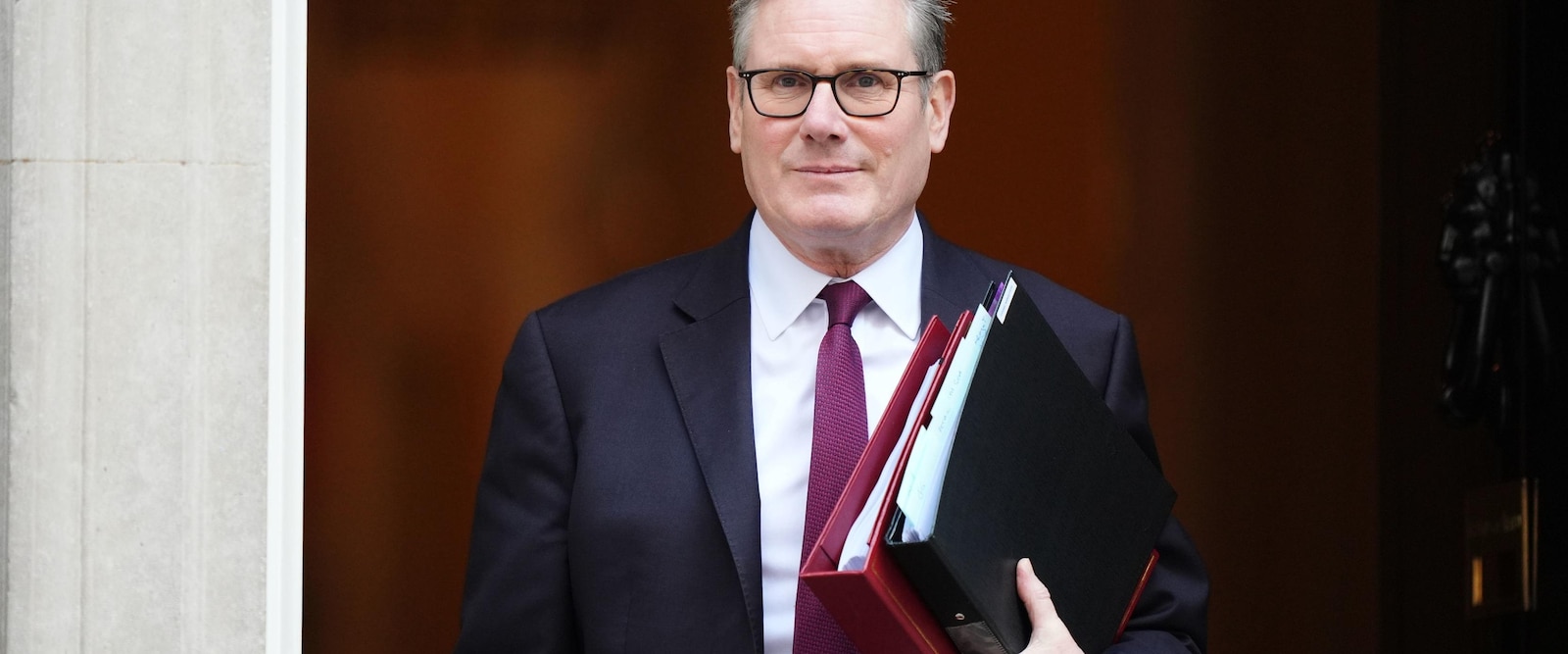
 ABC News
UK bans crypto donations to political parties in bid to curb foreign influence
 The Guardian
What are the rules on cryptocurrency donations to UK political parties?
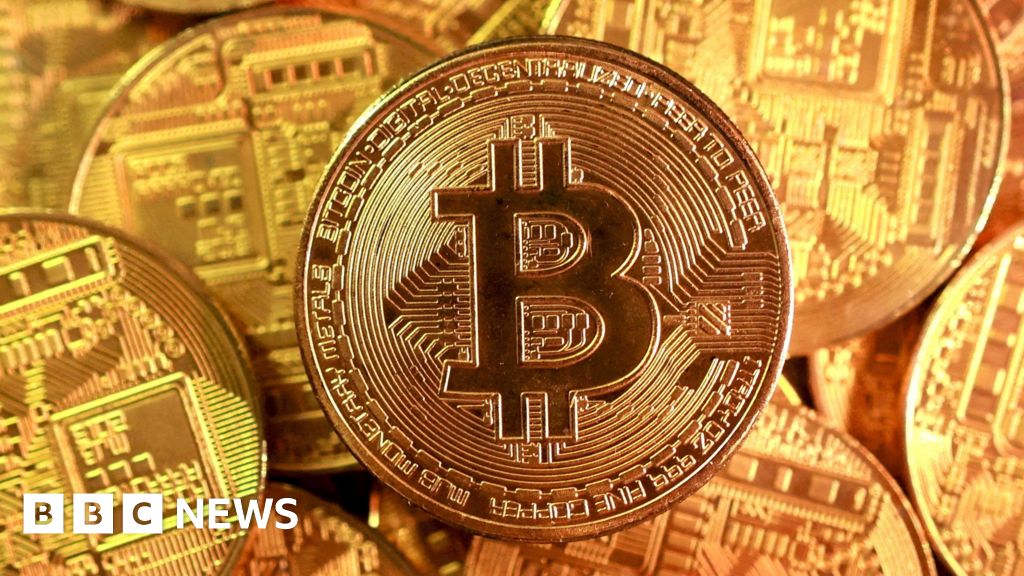
 BBC News
Starmer to temporarily ban crypto donations to UK parties
Overview
Prime Minister Keir Starmer announced a moratorium on all political donations made in cryptocurrencies Wednesday, saying illicit finance poses a 'stark' danger to the country's democracy.
The action follows a review by former senior civil servant Philip Rycroft ordered after cases including the jailing of former Reform UK politician Nathan Gill, which warned of foreign interference from Russia, China and Iran.
Reform UK lawmakers walked out after the announcement and deputy leader Richard Tice said the government was trying 'to stop the incredible progress of Reform,' officials and broadcasters reported.
Ministers will cap annual donations from British voters living abroad at £100,000, and Rycroft suggested an individual cap between £100,000 and £300,000 in his recommendations, the report said.
Ministers said the measures require parliamentary approval, will be backdated to take effect Wednesday, and will give parties 30 days to return interim overseas donations.
Analysis
Center-leaning sources frame crypto donations primarily as a national-security risk by foregrounding a government review and high-profile interference cases, linking crypto receipts to Reform UK and a record donor. quoted government warnings and Reform rebuttals are source content; editorial selection and emphasis construct urgency and policy legitimacy.
FAQ
The ban was prompted by the Rycroft review, which warned of foreign interference risks from countries like Russia, China, and Iran through illicit crypto finance, following cases such as the jailing of former Reform UK politician Nathan Gill.[1]
Ministers capped annual donations from British voters living abroad at £100,000, with the Rycroft review suggesting an individual cap between £100,000 and £300,000; these measures require parliamentary approval and are backdated to Wednesday.[1]
Reform UK lawmakers walked out after the announcement, and deputy leader Richard Tice accused the government of trying to halt Reform's progress.
The moratorium takes effect immediately, backdated to Wednesday, with parties given 30 days to return interim overseas donations; it requires parliamentary approval.[1]