UN General Assembly Declares Transatlantic Enslavement 'Gravest Crime'
The General Assembly voted 123-3 to condemn trafficking of enslaved Africans, urging reparations and restitution of cultural items while specifying no monetary amount.
 Fortune
It's time for slavery reparations, 'the gravest crime against humanity,' UN General Assembly says | Fortune
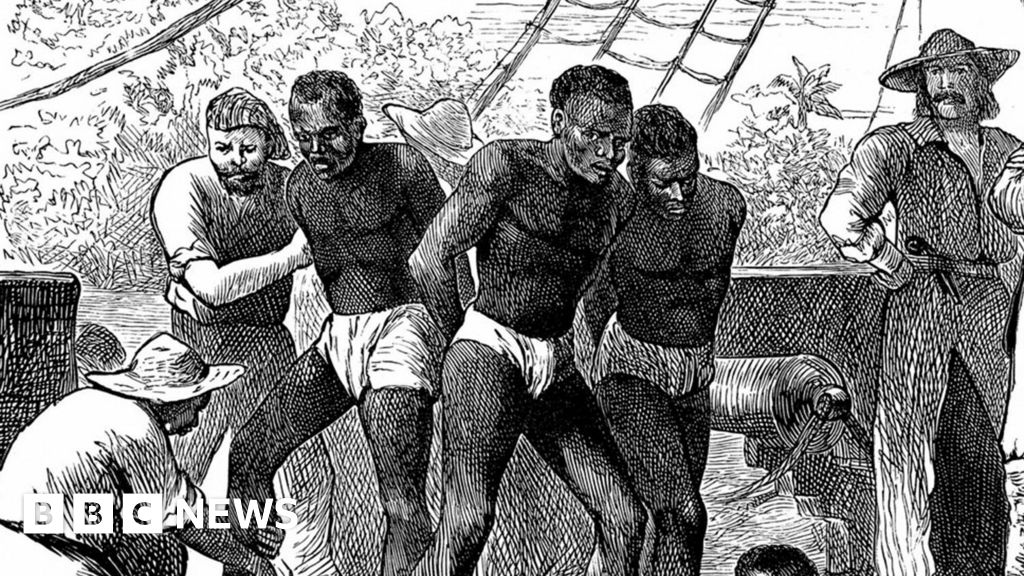
 BBC News
UN votes to recognise enslavement of Africans as 'gravest crime against humanity'
 PBS NewsHour
UN calls for reparations to remedy the historical wrongs of trafficking enslaved Africans
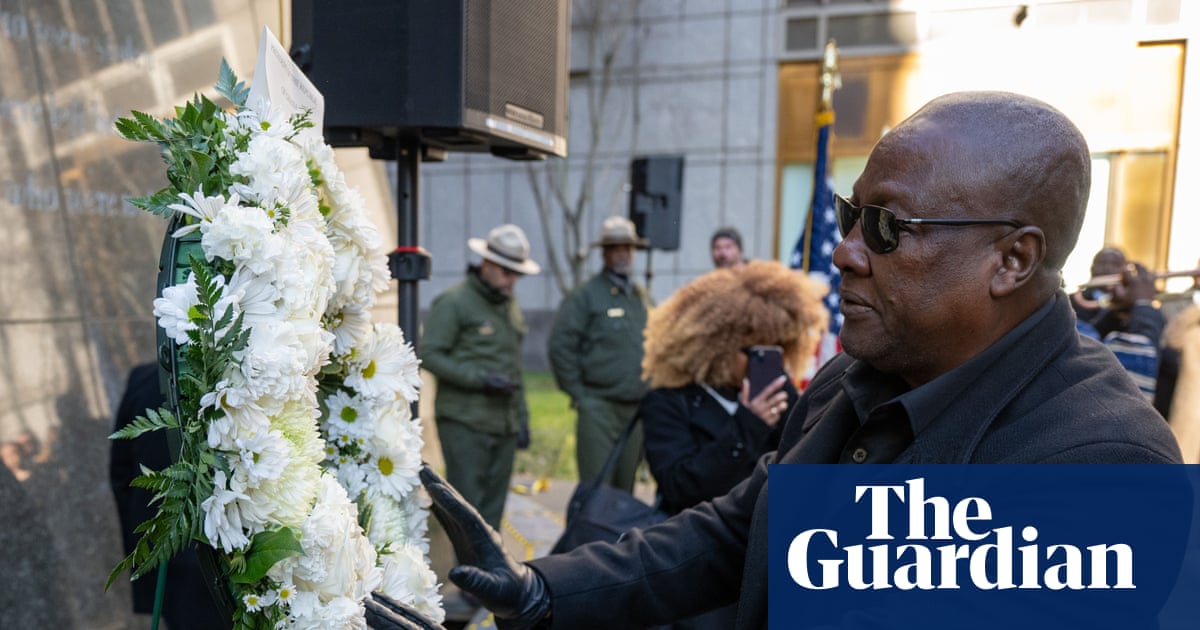
 The Guardian
UN votes to describe slave trade as ‘gravest crime against humanity’
Overview
The U.N. General Assembly voted 123-3 to declare the trafficking of enslaved Africans the "gravest crime against humanity" and called for reparations and restitution of cultural items.
Ghana proposed the resolution and President John Dramani Mahama said its adoption would safeguard memory and pursue healing and reparative justice.
Argentina, Israel and the United States voted against, while 52 states abstained, including the United Kingdom and European Union members, amid U.S. and EU concerns about legal wording and hierarchy of crimes.
The resolution, supported by the African Union and the Caribbean Community, calls for apologies, measures of restitution, compensation and legal changes but contains no binding reparations amount, according to its text.
It urges the prompt restitution of artworks, monuments and archives without charge and asks the African Union, Caribbean Community and the Organization of American States to collaborate with U.N. bodies on reparatory justice and reconciliation.
Analysis
Center-leaning sources present the coverage as neutral: they attribute loaded language (calling trafficking “the gravest crime against humanity”) to the resolution, report the 123-3 vote and 52 abstentions, and include both Ghana’s pro-reparations remarks and U.S./EU legal objections, offering balanced facts and sourced quotes rather than editorial judgment.
FAQ
The resolution does not specify a binding monetary amount for reparations. Instead, it calls for nations involved in the slave trade to engage in restorative justice, including apologies, measures of restitution, and compensation, but leaves the details and implementation to be determined through ongoing reparations initiatives led by Caribbean and African nations[2]. UN General Assembly resolutions are declaratory political instruments rather than judicial rulings, so they cannot legally bind countries to specific financial amounts[2].
The search results indicate that the US and EU members abstained or voted against the resolution due to concerns about the legal wording and the potential creation of a hierarchy of crimes[3]. Samuel Yao Kumah, Ghana's UN representative, clarified that the resolution acknowledges UN resolutions are political instruments, not judicial rulings, and do not create legally binding hierarchies of crime[2]. The resolution specifically states it does not seek to rank suffering or diminish other historical tragedies[2].
The resolution urges the prompt restitution of artworks, monuments, and archives without charge and asks the African Union, Caribbean Community, and Organization of American States to collaborate with UN bodies on reparatory justice and reconciliation[6]. However, the resolution itself does not outline specific enforcement mechanisms or timelines. It sets a framework and political commitment rather than establishing legally binding procedures for returning stolen cultural items[3].
This resolution marks a landmark moment by having the UN General Assembly formally designate the transatlantic slave trade as "the gravest crime against humanity" with strong support (123-3 vote)[3]. It goes beyond previous acknowledgements by explicitly calling for apologies, reparations, restitution of cultural items, and legal changes[3]. The African Union had previously adopted a historic resolution on slavery, colonialism, and reparatory justice in February 2026, but this UN General Assembly resolution represents global institutional recognition at a higher level[4].
According to Ghana's representatives, declaring slavery the gravest crime recognizes it as a deliberate historical turning point—not a tragic accident—whose legacies continue to structure global inequalities today[2]. The designation acknowledges that law was historically used to justify enslaving Africans and enforcing racial segregation for over five centuries[2]. This framing shifts the narrative from acknowledging past wrongs to establishing moral and political accountability, creating a foundation for addressing contemporary structural inequalities rooted in that shared past[2].

