California Renames César Chavez Day Amid Abuse Allegations
California renamed the March 31 holiday to Farmworkers Day after a March 18 report alleging sexual abuse by César Chavez, prompting cancellations and renamings nationwide.
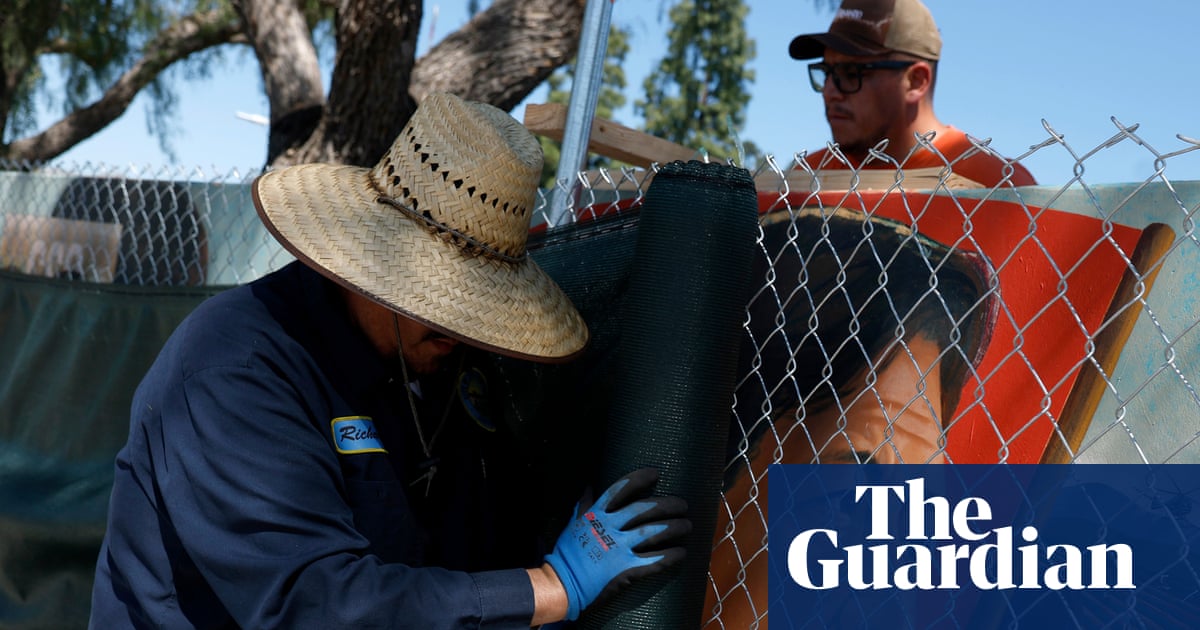
 The Guardian
Newsom signs California bill to rename Cesar Chavez Day as Farmworkers Day

 USA TODAY
Cesar Chavez Day renamed to Farmworkers Day in California
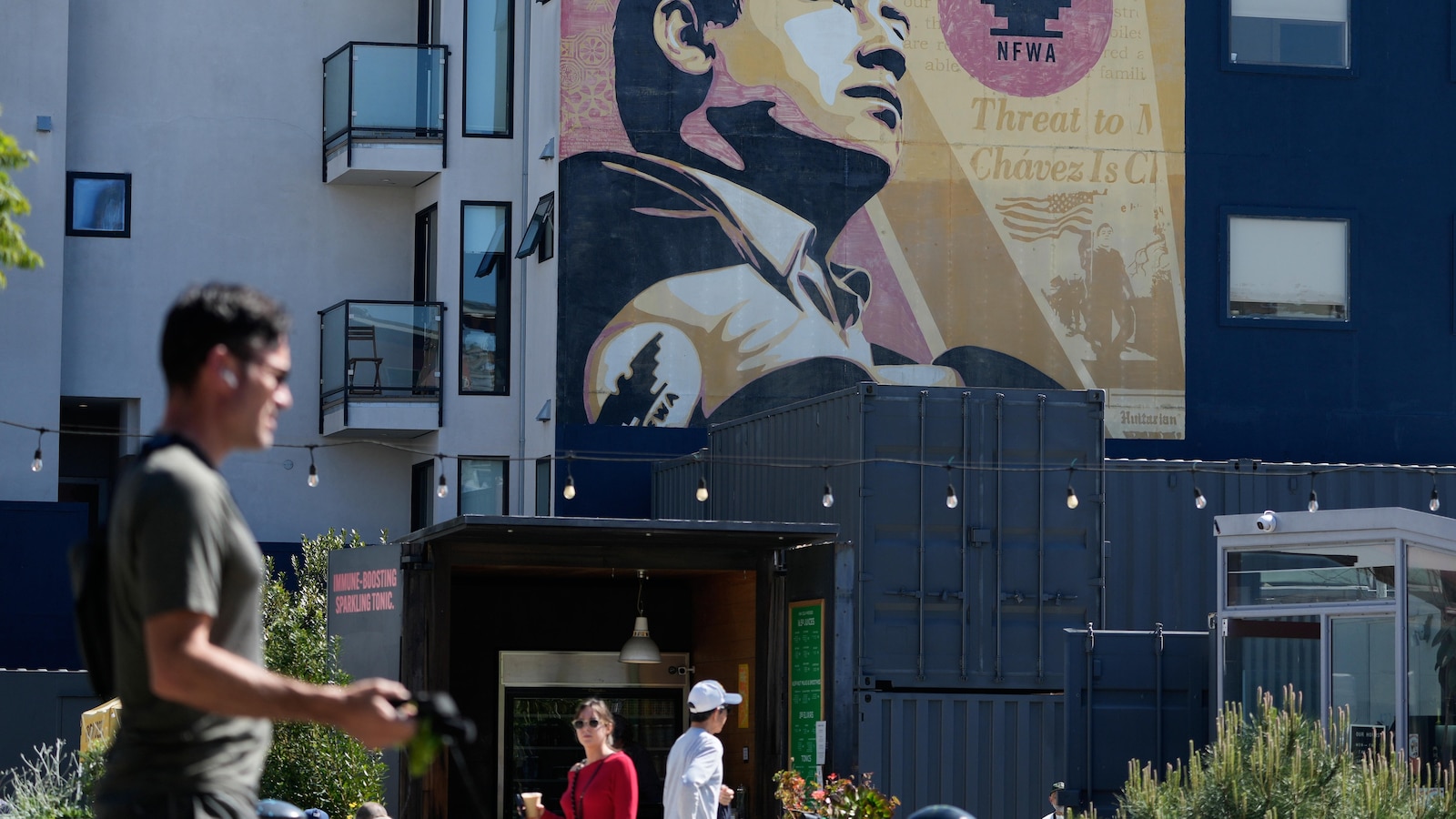
 ABC News
César Chavez Day events renamed, postponed or canceled after sexual abuse allegations
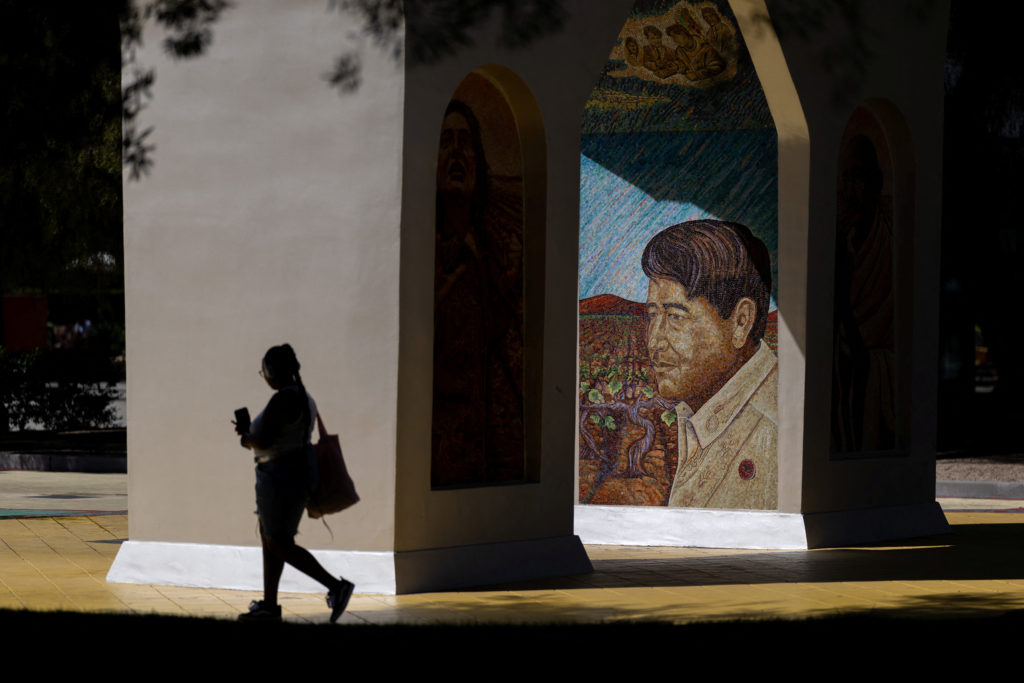
 PBS NewsHour
California lawmakers pass bill renaming César Chavez Day after sexual abuse allegations
Overview
California Gov. Gavin Newsom signed a bill on March 26 renaming César Chavez Day to Farmworkers Day.
A New York Times report published on March 18 said César Chavez sexually abused women and girls, including an allegation by Dolores Huerta and reports that two organizers' daughters were abused as children.
The United Farm Workers announced it would not take part in events named after Chavez, and AFL‑CIO leaders Liz Shuler and Fred Redmond said their federation would not participate or endorse César Chavez Day activities.
Jurisdictions across the country have canceled, postponed or renamed celebrations and removed or covered memorials to Chavez, and several states including Minnesota and Texas have moved to strip the holiday from state observance, officials said.
Renaming the César E. Chávez National Monument would require an act of Congress, the National Parks Conservation Association's Southern California director said, while local renaming efforts and legislation remain pending.
Analysis
Center-leaning sources frame the story around institutional repudiation and consequence, emphasizing cancellations, renamings and official condemnations. Editorial choices foreground actions (California renaming, Denver's “Si Se Puede Day”) and leaders’ responses while citing allegations and victims. Quote selection and placement amplify institutional fallout, with little space for defenders or broader historical context.
FAQ
The New York Times investigation, published on March 18, 2026, revealed that César Chavez sexually abused two adolescent girls on a regular basis between 1972 and 1977[1]. One victim was 13 years old when the abuse began, and the other was 12; both women are now 66 years old[1]. The investigation also reported that Chavez groomed both girls starting when they were around 8 or 9 years old[1]. Additionally, co-founder Dolores Huerta alleged that Chavez raped and impregnated her twice, with DNA evidence confirming paternity[1]. At least a dozen other women reported being harassed by Chavez over many years[1].
The United Farm Workers, the union that Chavez co-founded, announced it would not take part in events named after Chavez[1]. AFL-CIO leaders Liz Shuler and Fred Redmond stated that their federation would not participate in or endorse César Chavez Day activities[1]. These responses underscore the significant impact the allegations have had on the labor movement's relationship with Chavez's legacy.
According to legal analysis, victims have potential civil lawsuit options available[2]. Even though the assaults allegedly occurred around 50 years ago, statutes of limitations extend to victims reaching age 40 or within 5 years of discovering a psychological injury connected to the incident[2]. This means some victims may still have time to pursue legal action.
California Governor Gavin Newsom signed a bill on March 26, 2026, renaming César Chavez Day to Farmworkers Day[1]. Jurisdictions across the country have canceled, postponed, or renamed celebrations and removed or covered memorials to Chavez[1]. Several states, including Minnesota and Texas, have moved to strip the holiday from state observance[1]. However, renaming the César E. Chávez National Monument would require an act of Congress[1].
Both women who were abused as children have experienced significant psychological consequences in the decades following the abuse[1]. They have struggled with depression, panic attacks, and substance abuse[1]. Regarding Dolores Huerta, she hid both pregnancies resulting from Chavez's assaults and arranged for the children to be raised by others[1], adding complexity to the long-term personal and family impacts of the alleged abuse.