DOJ Says ICE Memo Didn’t Authorize Immigration-Court Arrests
DOJ told a judge that a May 2025 ICE memo it cited does not apply to immigration courts, prompting calls to reconsider court rulings and legal challenges from advocacy groups.
 World News Group
DOJ admits lack of authority for immigration court arrests
 El Pais
Trump administration admits it used a ‘flawed’ argument to justify arrests of immigrants in court

 NPR
NPRDOJ admits ICE courthouse arrests relied on erroneous information
 CBS News
Justice Department tells judge it incorrectly used ICE memo to justify immigration court arrests
Overview
The Justice Department told U.S. District Judge P. Kevin Castel that a May 2025 ICE memorandum it had cited does not apply to civil immigration enforcement in or near immigration courts.
The disclosure was filed in litigation by African Communities Together and The Door, who sued in August 2025 challenging ICE arrests at immigration court hearings.
The New York Civil Liberties Union and the ACLU of New York said the government's admission has far-reaching consequences, according to a letter filed with the court.
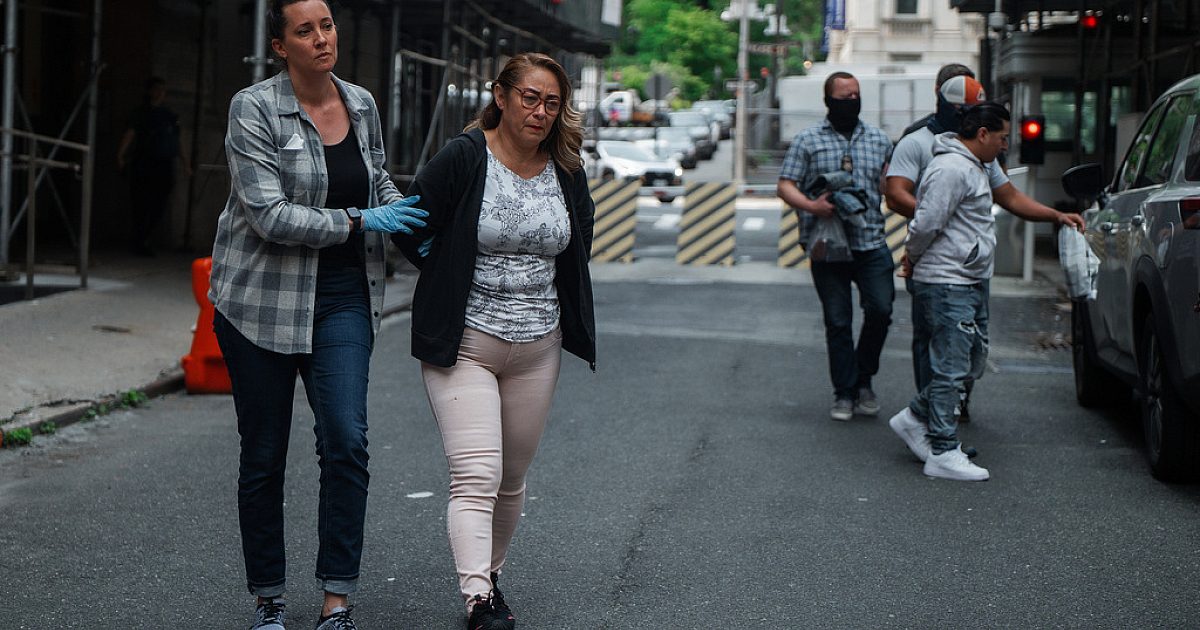
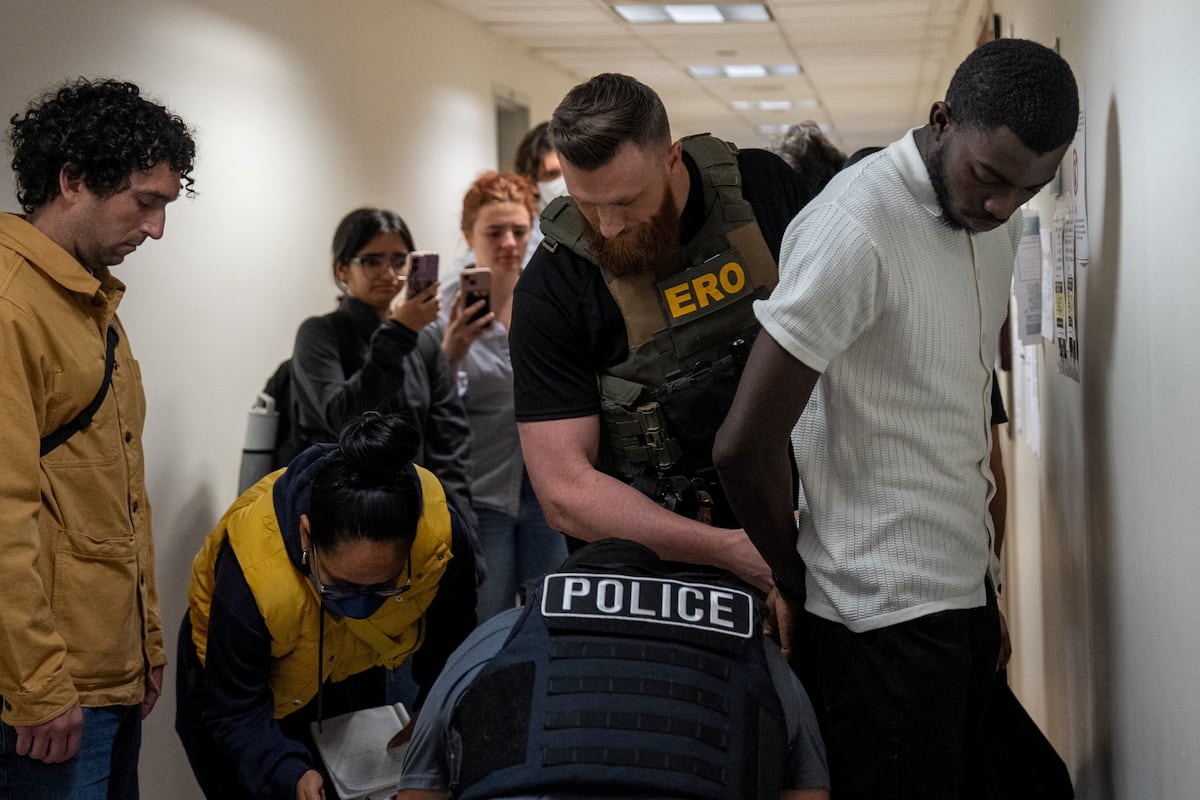
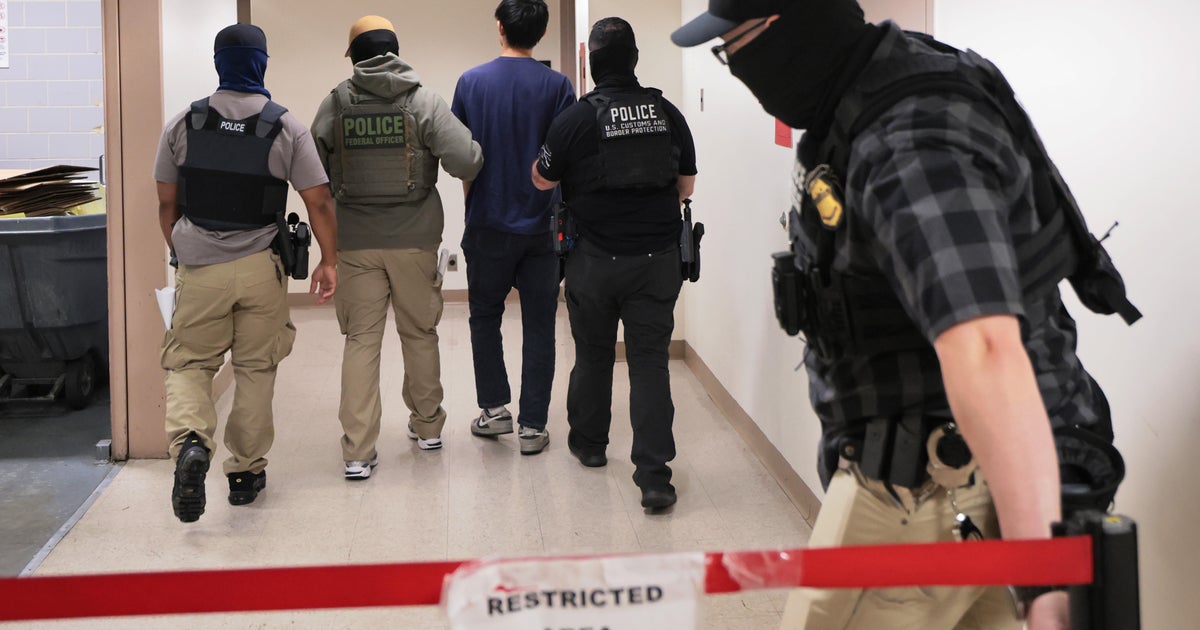
Immigration agents have arrested roughly hundreds to thousands of migrants at immigration courts, often resulting in detention in facilities hundreds of miles away, and Manhattan's immigration courts saw the most arrests, according to filings and analyses.
The plaintiffs requested 14 days to file a motion to reconsider rulings that relied on the ICE guidance, and Judge Castel had not yet issued a response, according to court filings.
Analysis
Center-leaning sources present the reporting neutrally, emphasizing factual developments, court filings, and statements from both government and plaintiffs. They juxtapose DOJ apologies and procedural corrections with plaintiffs’ strong quotes and a concrete detainee example, relying on official filings and attributed remarks rather than loaded editorial language, creating balanced, document-centered coverage.
FAQ
The May 2025 ICE memo, issued by Acting ICE Director Todd Lyons on May 12, 2025, authorized ICE officers to enter private residences using administrative warrants (Form I-205) to arrest noncitizens with final removal orders.[2][4] The memo represented a significant policy shift, as administrative warrants had historically only supported arrests in public places, not forcible entries into homes.[4] The memo specifically authorized ICE personnel to use force to enter residences after knocking and announcing their presence.[2]
The Justice Department had been citing the May 2025 ICE memo to partially justify arrests at immigration courthouses in litigation challenging those arrests.[1] However, the memo actually applies to residential entries, not federal immigration courts where agents had been making arrests.[1] The government's misrepresentation led Judge Castel to deny plaintiffs preliminary relief in the case, allowing ICE to continue arresting noncitizens at immigration court hearings for months afterward, resulting in their detention often in facilities hundreds of miles away.[1]
The New York Civil Liberties Union stated the government's admission has "far-reaching" consequences.[1] The plaintiffs requested 14 days to file a motion to reconsider rulings that relied on the ICE guidance, which Judge Castel had not yet responded to at the time of reporting.[1] Additionally, Judge Castel ordered the Justice Department to preserve all records related to the case and the May 2025 memo, including communications between department lawyers and ICE.[1]
According to the New York Civil Liberties Union, immigration agents arrested roughly hundreds to thousands of migrants at immigration courts, with Manhattan's immigration courts seeing the most arrests.[1] These arrests often resulted in detention in facilities hundreds of miles away from the original hearing locations.[1] The exact number continued to accumulate in the months after the court initially denied plaintiffs' preliminary relief based on the government's misrepresentation of the memo.
The New York Civil Liberties Union filed the original lawsuit against ICE's courthouse arrests on behalf of advocacy groups including African Communities Together and The Door, who sued in August 2025.[1] Additional legal challenges to the broader May 2025 residential entry memo were filed by the Greater Boston Latino Network and the Brazilian Worker Center, who sued DHS Secretary Noem and Acting ICE Director Todd M. Lyons.[2]

