Judge Keeps Maduro Case Alive, Weighs Venezuela Legal Fee Access
Judge Alvin Hellerstein refused to dismiss narcotics and weapons charges but said he'll rule on whether U.S. blocks Venezuelan government funds for Maduro's defense.

 The Guardian
A smile and a handshake as Maduro case drags Venezuela crisis to New York court

 Al Jazeera
US judge weighs Trump decision to bar Venezuelan funds for Maduro’s defence

 Straight Arrow News
Judge doesn’t dismiss case against Maduro, says he’ll rule on legal fees ‘soon’
 El Pais
Judge refuses to dismiss narcoterrorism case against Nicolás Maduro and his wife
Overview
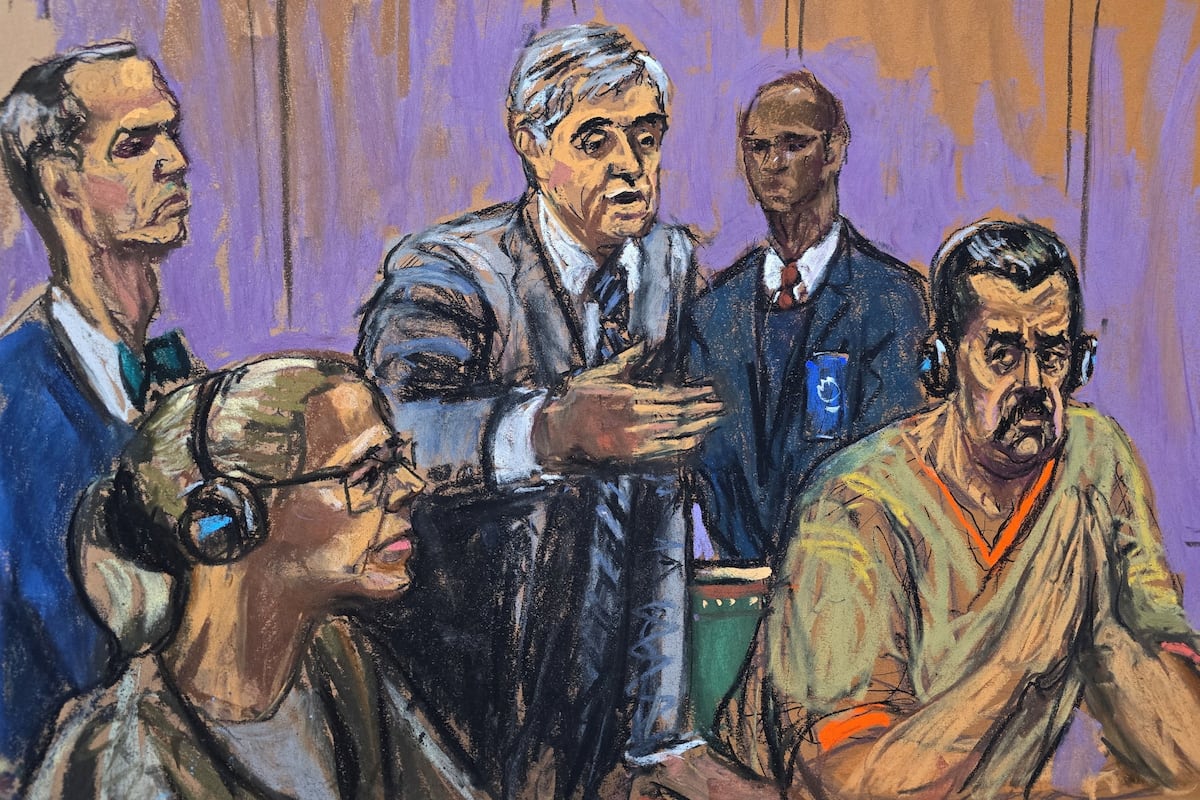
U.S. District Judge Alvin Hellerstein declined to dismiss charges against Nicolás Maduro and Cilia Flores and said he will rule 'as soon as I can' on whether Venezuela may fund their defense.
Maduro and Flores were seized by U.S. forces in Caracas on 3 January and face an indictment alleging narco-terrorism, cocaine-importation and weapons offenses.
Prosecutors argued Maduro 'plundered' Venezuelan wealth and noted OFAC revoked a licence for government payments, while defense lawyer Barry Pollack said the Sixth Amendment guarantees counsel of choice.
The indictment lists narco-terrorism conspiracy, conspiracy to import cocaine, possession of machine guns and destructive devices, and conspiracy to possess such weapons, and the couple remain jailed in Brooklyn.
Hellerstein pressed prosecutors on national security claims, noted U.S. diplomatic ties with Venezuela had resumed and that Delcy Rodríguez has taken power, and President Donald Trump said more cases may be brought.
Analysis
Center-leaning sources present largely neutral coverage, attributing charged terms like "plundered" to prosecutors (source content) while balancing that with the judge's skepticism, procedural facts, and mixed Caracas resident quotes. editorial choices—headline focus and repetition of prosecution claims—slightly amplify one angle, but sourcing and context limit overt framing.
FAQ
Maduro and Flores are charged with narco-terrorism conspiracy, cocaine importation conspiracy, weapons violations, conspiracy to import cocaine, possession of machine guns and destructive devices, and conspiracy to possess such weapons.[3] They are accused of ordering kidnappings, beatings, and murders of people who owed them money or undermined their alleged trafficking scheme, with both facing life in prison if convicted.[3]
The U.S. Treasury Department maintains sanctions on Venezuelan funds, arguing that the federal government can use sanctions for national security and foreign policy interests. Prosecutors contend that allowing access to funds would undermine sanctions imposed because Maduro allegedly 'plundered' Venezuelan wealth, and that permitting him to use those same funds for his defense would be contradictory.[3]
Judge Alvin Hellerstein expressed skepticism of the government's national security arguments, noting that U.S. and Venezuelan relations have warmed since Maduro's arrest and that he no longer poses a national security risk.[2] Hellerstein stated: 'I see no abiding interest of national security on the right to defend themselves,' and emphasized the constitutional right to defense.[2] However, he declined to immediately dismiss the case and said he will rule on the funding question 'as soon as I can.'[2]
Judge Alvin Hellerstein is a 92-year-old federal judge appointed during the Clinton administration who has handled high-profile cases including 9/11-related litigation.[1] Some observers question whether he is the best choice to preside over what could be a prolonged trial, as he may be 93 or 94 by the time the trial begins, depending on case delays.[1]
Since Maduro's capture in January 2026, the U.S. and Venezuela have reestablished diplomatic relations, the U.S. has eased economic sanctions on Venezuela's oil industry, and the U.S. has dispatched a chargé d'affaires to Caracas.[2]
