Trump Urges GOP to Abolish Filibuster to Pass SAVE America Act
Trump used Truth Social to push Republicans to end the filibuster and pass the SAVE America Act amid a DHS funding lapse that has disrupted TSA staffing.
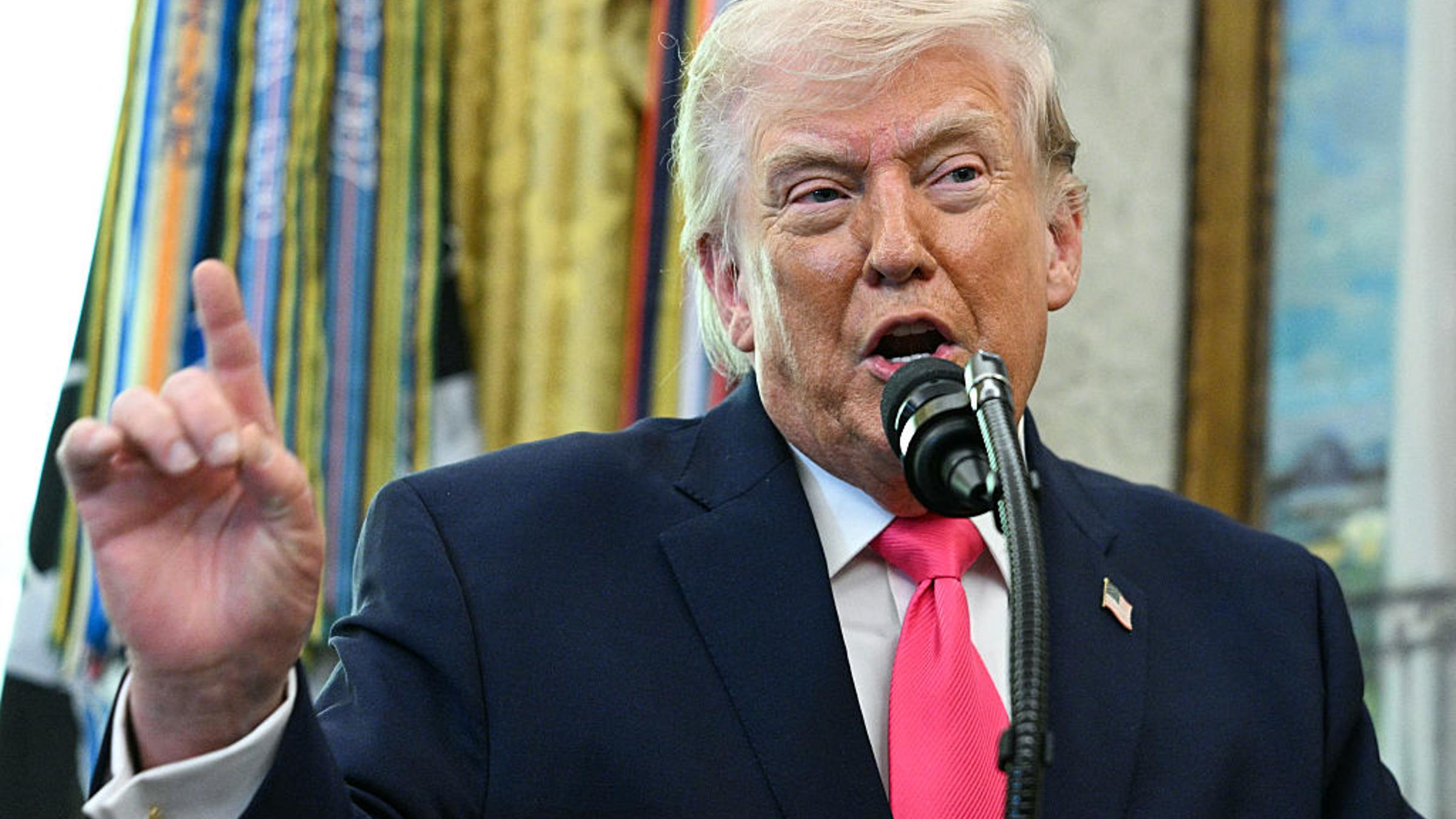
 TIME Magazine
Trump Again Pushes Republicans to ‘Terminate’ the Filibuster
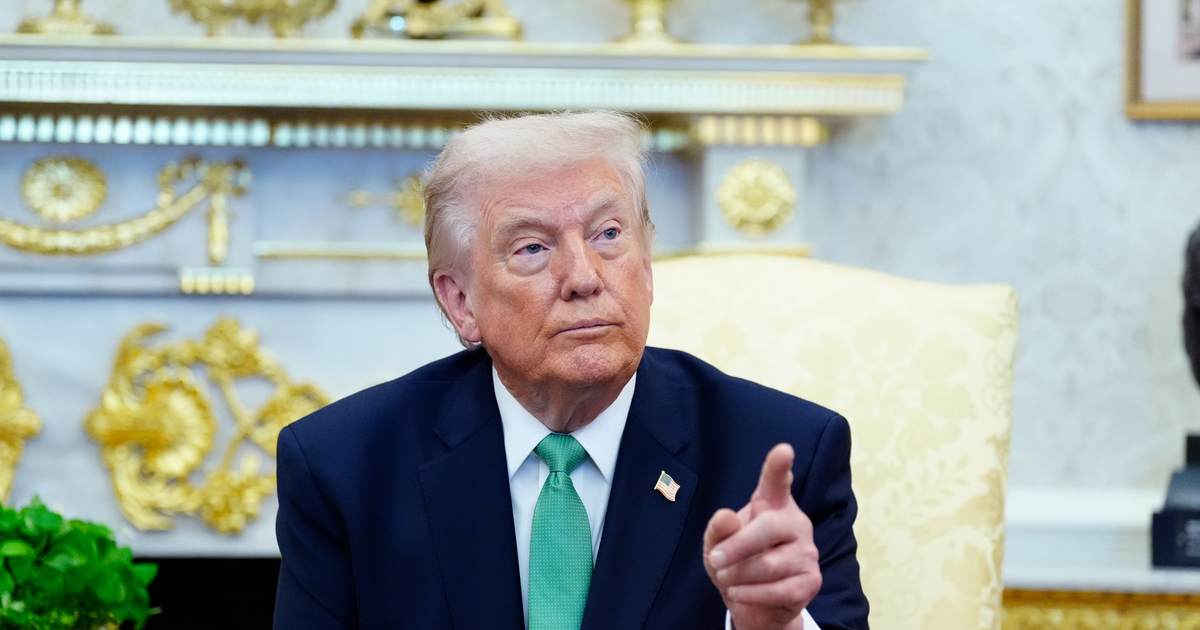
 Townhall
Donald Trump Says 'Enough Is Enough' on Talk of Ending the Filibuster
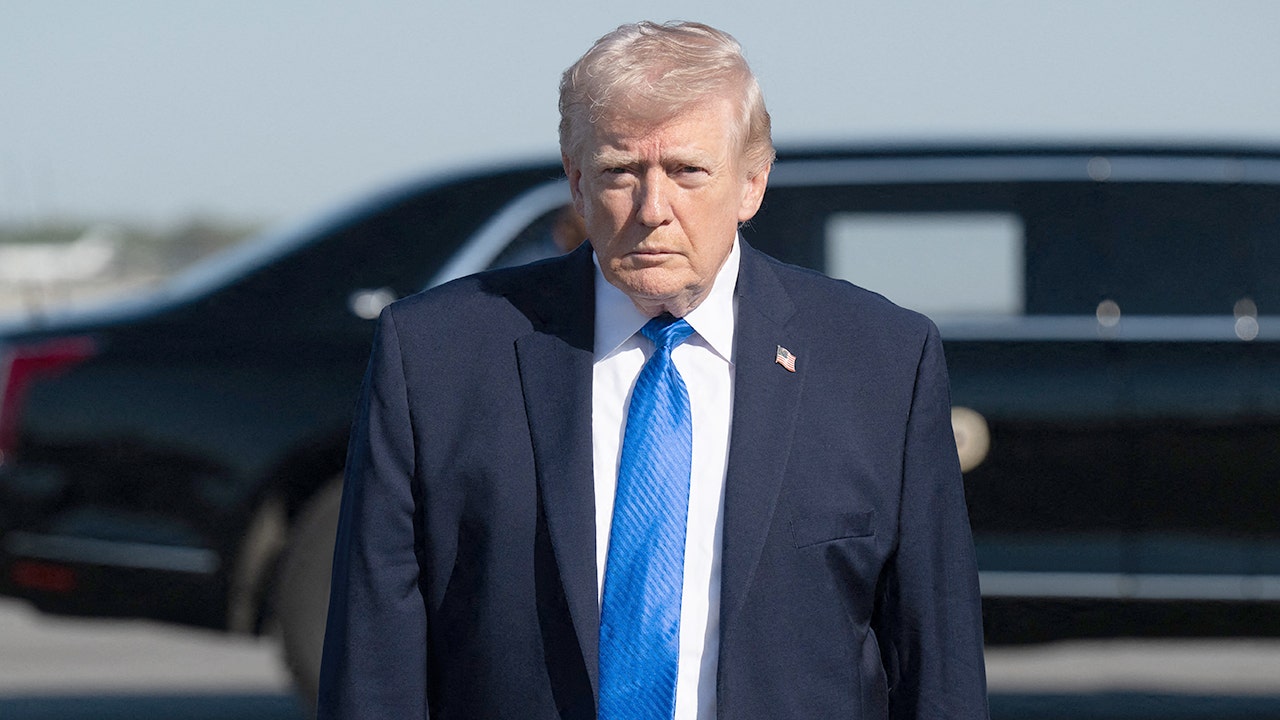
 FOX News
Trump pressures GOP to scrap filibuster, says 'desperate' Schumer 'will make a deal'
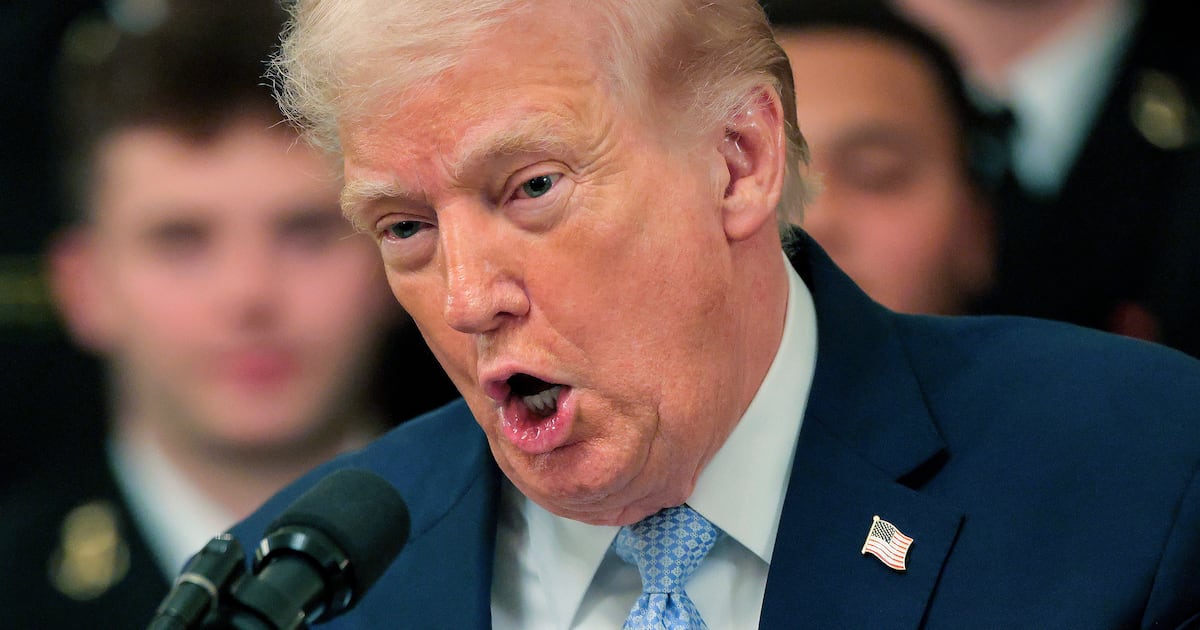
 Daily Beast
Trump Lets Rip at His Own Senators in Wild Early-Morning Meltdown

 The Daily Wire
Trump Pushes Republicans Toward More Aggressive Play Up Their Sleeve In Senate Fight
Overview
President Donald Trump urged Senate Republicans on Truth Social to 'TERMINATE THE FILIBUSTER' and to include all five items of the SAVE America Act in legislation, his posts said.
He linked the push to a partial DHS funding lapse that began on Feb. 14 and to airport delays, with Acting TSA Administrator Ha Nguyen McNeill saying some wait times exceeded four and a half hours.
Senate Republicans are split, with Sen. Ron Johnson urging abolition in an opinion piece and Senate Majority Leader John Thune saying there are not the votes to end the filibuster.
Abolishing the filibuster would let most legislation pass by simple majority rather than the 60-vote threshold, and a prior government shutdown lasted 43 days, according to the record cited.
Republican leaders have pushed back against rule changes, leaving the SAVE America Act stalled in the Senate and DHS funding negotiations unresolved, officials and analysts said.
Analysis
Analysis unavailable for this viewpoint.
FAQ
The SAVE America Act requires documentary proof of U.S. citizenship to register to vote in federal elections, adds a photo ID requirement for voters, and mandates that states verify citizenship through the Department of Homeland Security's Systematic Alien Verification for Entitlements database[1][2]. The bill would also eliminate mail-in and online voter registration, requiring all new registrants to appear in person with documentation, and would not allow mail-in ballots except for illness, disability, military service, or travel.
Trump is using the partial Department of Homeland Security funding lapse that began in February 2026 as leverage to push the Senate to pass the SAVE America Act[5]. The shutdown has disrupted TSA staffing and caused significant airport delays, with some wait times exceeding four and a half hours[5]. By combining the two issues, Trump is pressuring Senate Republicans to include all provisions of the SAVE America Act in legislation to address the DHS funding crisis, making passage of the voting bill a condition of resolving the operational disruptions[5].
The filibuster is a Senate rule that requires 60 votes to pass most legislation rather than a simple majority[1]. The SAVE America Act passed the House 218-213 with only one Democrat's support, indicating it lacks the 60 votes needed to overcome a filibuster in the Senate[5]. Abolishing the filibuster would allow the bill to pass with a simple majority, but Senate Majority Leader John Thune has said there are not enough Republican votes to end the filibuster rule itself[5].
Democrats argue that the SAVE America Act would damage voting accessibility and discriminate against low-income voters who are unable to obtain government-issued ID[2]. The bill's requirement for in-person registration with documentary proof would effectively eliminate mail-in and online voter registration options[1], and it includes no federal funding for states to implement the new requirements and no phase-in period[5]. Additionally, the bill requires removal of suspected noncitizens from voter rolls without requiring prior notification of erroneous removals, raising concerns about voter disenfranchisement[5].
Noncitizens are already prohibited from voting in federal and state elections[2], and illegal voting is already very rare[1]. Trump and Republicans have made unsubstantiated accusations of rigged voting, but the search results do not provide evidence of widespread noncitizen voting in federal elections[2]. The bill is characterized as being introduced to make a point about election security rather than to address a documented widespread problem[1].