Expert Criticizes FBI Affidavit in Fulton County Ballot Seizure Case
An elections expert told a judge the FBI affidavit behind the Jan. 28 seizure of roughly 630–700 Fulton County 2020 ballots 'doesn't make sense,' as lawyers dispute return of the materials in federal court.
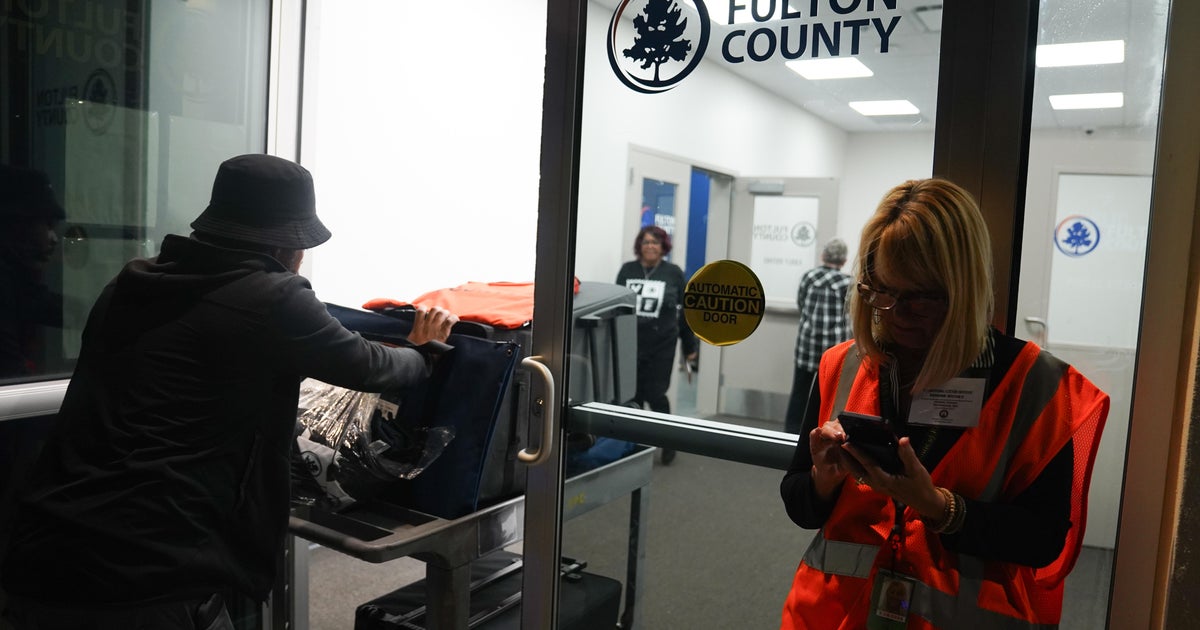
 CBS News
Fulton County expert witness says FBI affidavit used to seize ballots had "incoherent terminology"
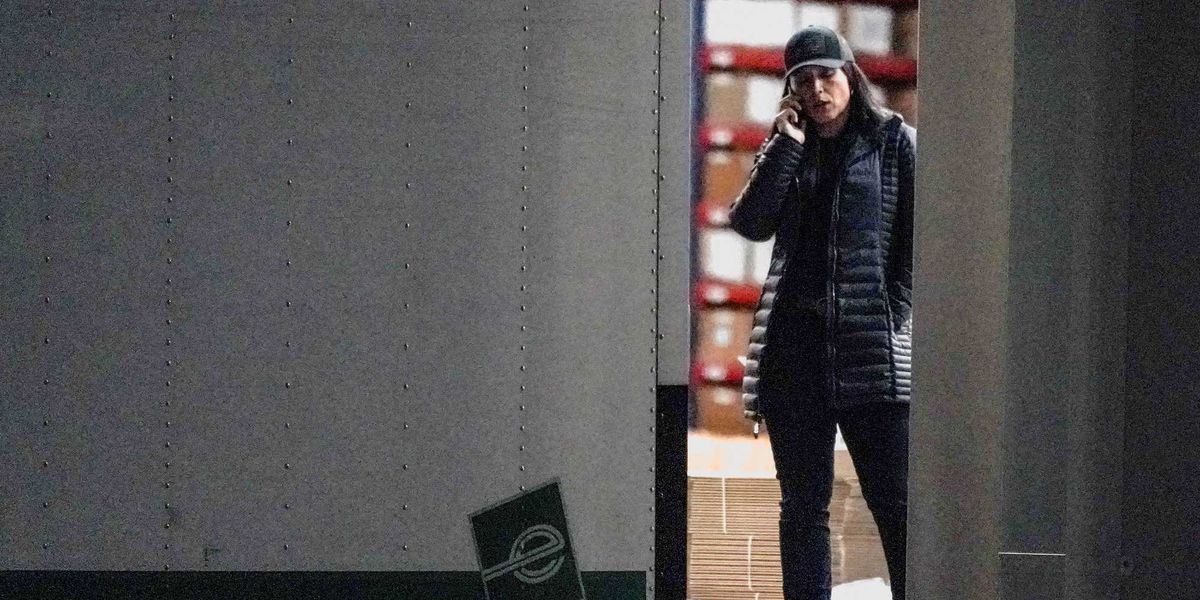
 AlterNet
Witnesses in Georgia ballot case were ignorant of 'how elections work': expert
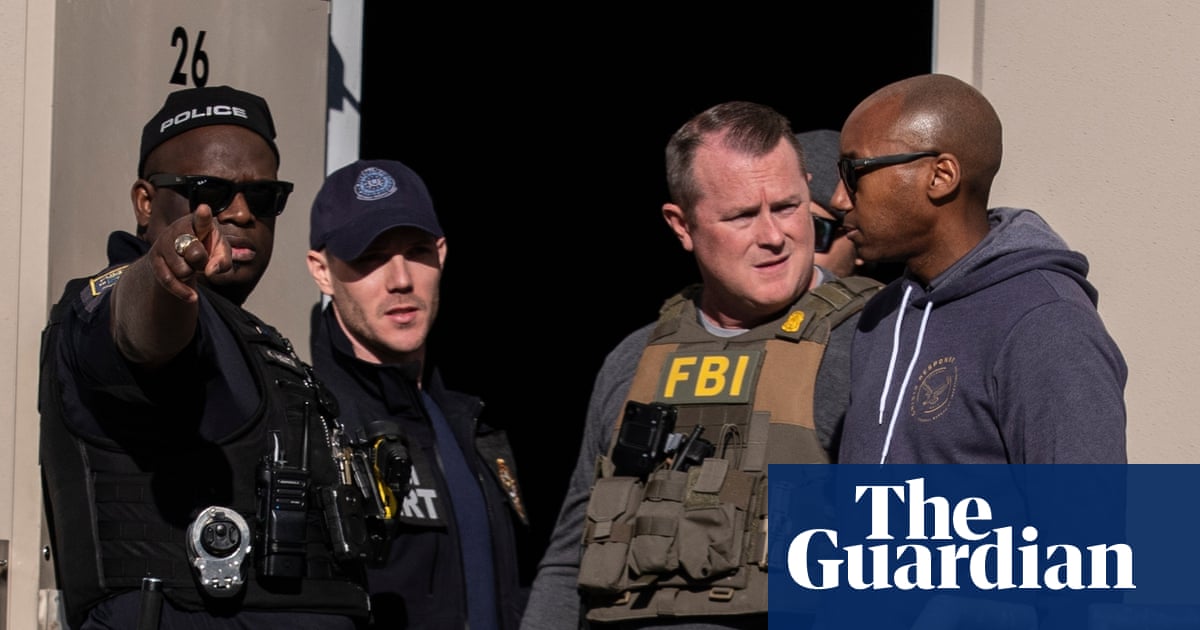
 The Guardian
Fulton county accuses FBI of ‘callous disregard’ over ballot seizures
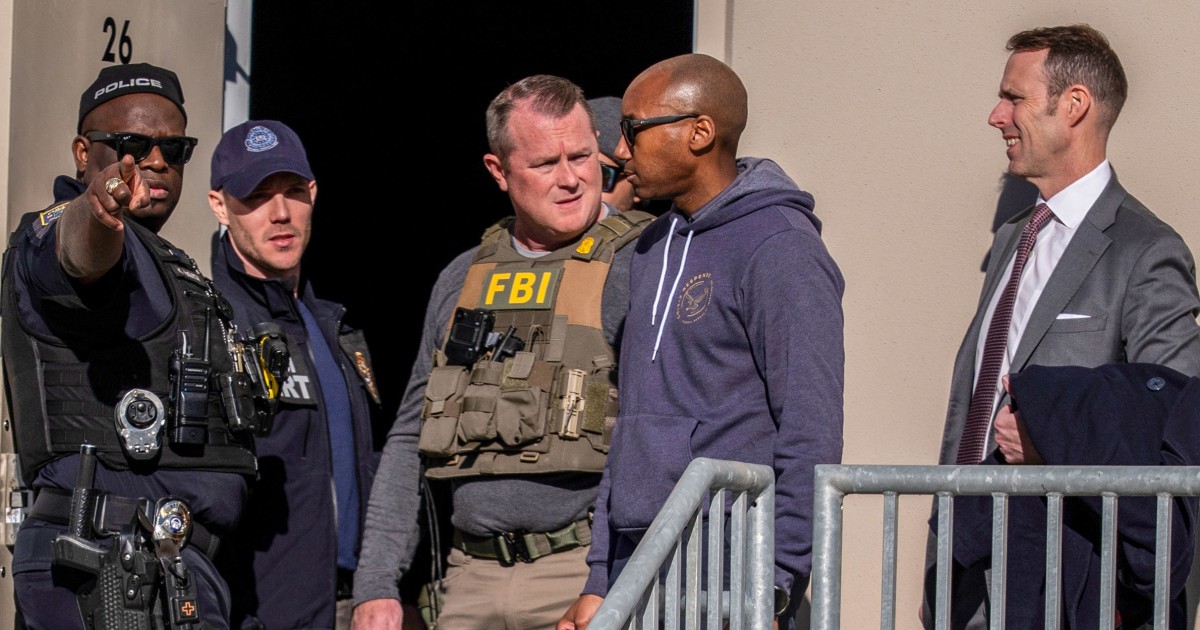
 NBC News
Election expert testifies FBI's evidence in Fulton County ballot case 'doesn't make sense'
Overview
At a Friday evidentiary hearing, former U.S. Election Assistance Commission official Ryan Macias testified that the FBI affidavit used to justify the seizure of Fulton County's 2020 ballots "doesn't make sense" and relied on witnesses who misunderstood how elections work.
The FBI executed a search warrant on Jan. 28 and seized roughly 630 to 700 boxes of 2020 election materials from Fulton County, and the agent's affidavit was unsealed in February and traced the probe to a referral from Kurt Olsen.
Fulton County attorney Abbe Lowell argued the affidavit omitted facts, recycled debunked claims, showed "callous disregard" for Fourth Amendment rights, and relied on witnesses he said include sanctioned or biased figures.
Justice Department attorney Tysen Duva defended the affidavit's sufficiency, said the agent "may have missed a thing or two," and conceded the FBI's seizure "may not lead to any charges," according to court statements.
Judge Jean-Paul Boulee quashed Fulton County's subpoena for the FBI agent who wrote the affidavit, said court-ordered mediation failed, and must now decide whether to order the return of the seized materials as Fulton County seeks their restoration.
Analysis
Center-leaning sources present the story without strong editorial framing, balancing source content from Fulton County and the Justice Department. They attribute evaluative language to filings, include factual context (recounts, independent reviews, magistrate approval of the affidavit) and quote opposing arguments, limiting reporter-added loaded terms and giving readers competing perspectives.
FAQ
The affidavit, written by FBI Special Agent Hugh Raymond Evans, justified the January 28, 2026 seizure of 630-700 boxes of 2020 election ballots, records, tabulator tapes, and voter rolls by citing potential intentional deficiencies in vote handling, such as missing scanned ballot images, multiple scans during recount, and unfolded absentee ballots, potentially violating federal election laws on record retention and fraud.
Ryan Macias, a former U.S. Election Assistance Commission official and elections expert, testified at a hearing that the FBI affidavit 'doesn't make sense' and relied on witnesses who misunderstood election processes.
Fulton County argues the affidavit lacks probable cause for a crime, relies on speculation from biased election deniers, omits facts showing unintentional errors common in elections, recycles debunked claims, and shows disregard for Fourth Amendment rights.
DOJ attorney Tysen Duva defended the affidavit's sufficiency despite minor misses, noted the seizure may not lead to charges, and argued it met probable cause standards based on reported election deficiencies.
The investigation originated from a referral by Kurt Olsen, a Trump ally involved in 2020 election subversion efforts and appointed as White House Director of Election Security and Integrity.

