Judge Pauses Pentagon Ban On Anthropic, Citing First Amendment
Judge Rita Lin paused the February 27 directive and March 3 supply-chain designation, finding the measures appeared aimed at punishing Anthropic and chilling speech.

 Techdirt
Hegseth’s War On Anthropic Encounters The First Amendment

 Reason
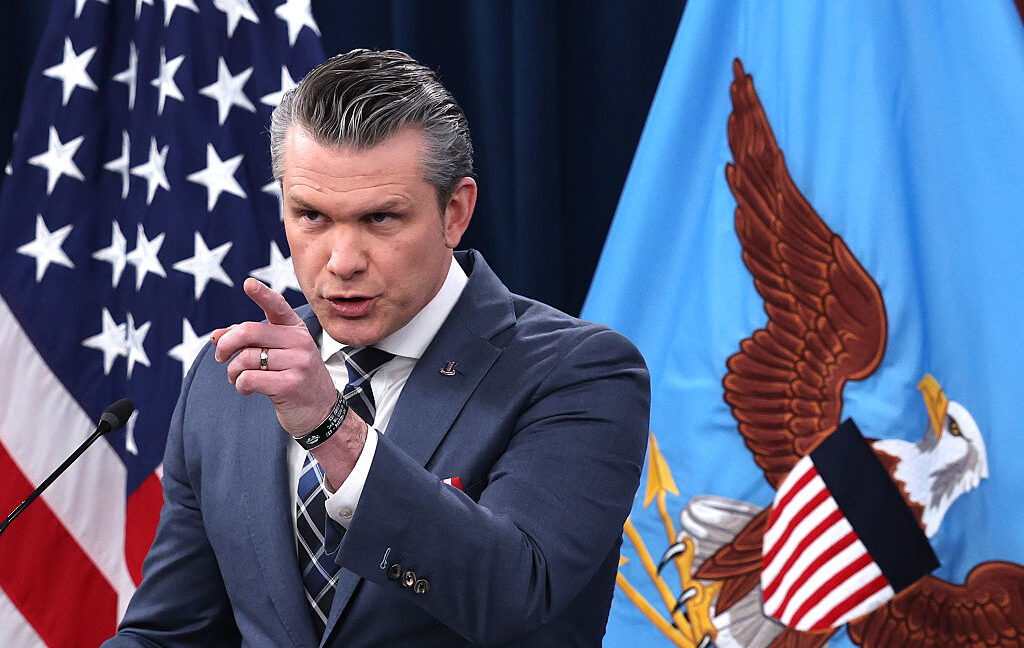
Judge rejects ‘Orwellian notion’ that Anthropic is a supply chain risk for disagreeing with the government
 ARS Technica
Hegseth, Trump had no authority to order Anthropic to be blacklisted, judge says
 FOX News
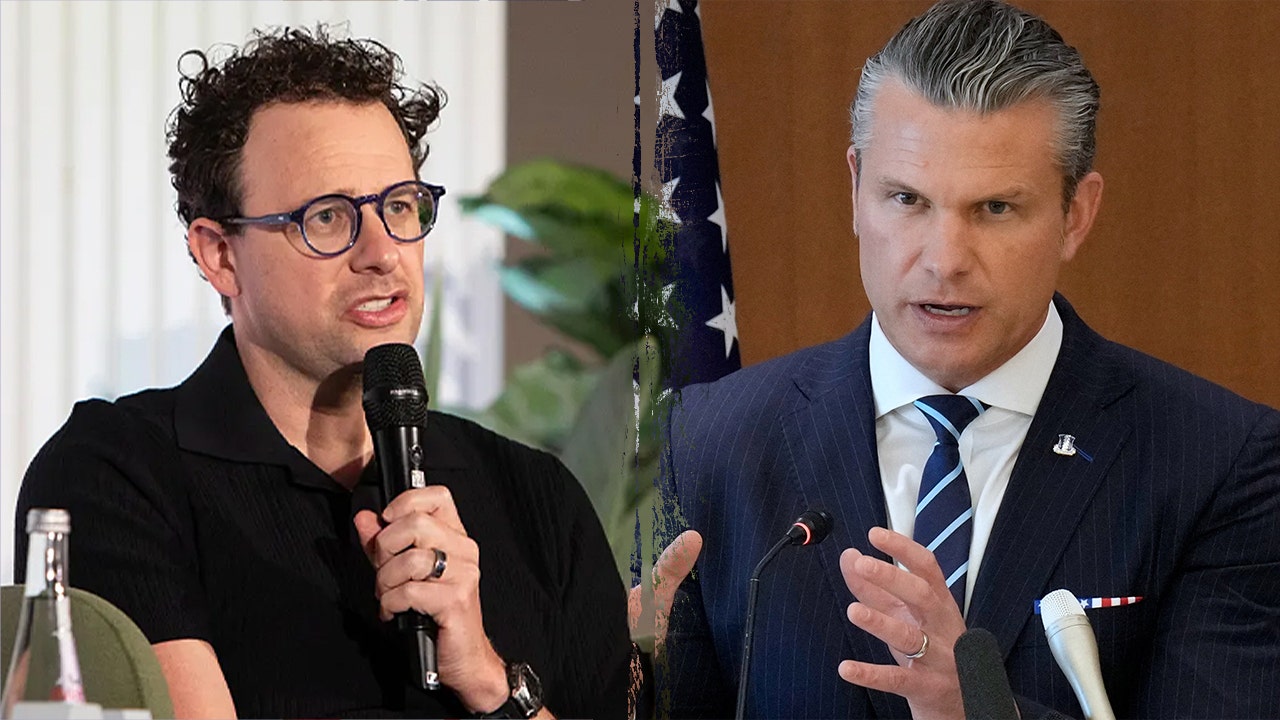
Biden judge freezes Trump administration's move against AI firm, fueling battle over security authority
Overview
U.S. District Judge Rita Lin issued a preliminary injunction pausing President Donald Trump's February 27 directive and the Defense Department's March 3 supply-chain risk designation against Anthropic.
The dispute began after CEO Dario Amodei said Anthropic's Claude should not be used for fully autonomous weapons or mass domestic surveillance, prompting a public contract disagreement with the Defense Department.
Anthropic welcomed the decision, a Department of War official called the order a "disgrace," and Under Secretary of War Emil Michael wrote on X that the ruling contained "dozens of factual errors."
The Pentagon warned it could terminate a $200 million contract awarded in July 2025, three trade deals were canceled, and Lin said Anthropic risked losing potentially billions in private and government contracts over the next five years.
Lin stayed her order for one week and left the restrictions on hold while the broader lawsuit proceeds, and a separate narrower Anthropic case remains pending in a federal appeals court in Washington.
Analysis
Center-leaning sources frame the story as a legal and free-speech victory for Anthropic, emphasizing the judge's language that the designation was punitive rather than a valid security judgment. They foreground Anthropic and supportive experts, use evaluative terms and omit robust government or national-security defenses, creating a narrative that resignifies policy as retaliation.
FAQ
Anthropic requested two exceptions to the lawful use of Claude: prohibition on mass domestic surveillance of Americans and prohibition on fully autonomous weapons systems capable of selecting and engaging targets without human intervention.[1] The company refused to remove these exceptions because it believes current frontier AI models are not reliable enough for autonomous weapons use, which could endanger American warfighters and civilians, and because mass domestic surveillance violates fundamental rights.[1]
The Pentagon invoked 10 USC 3252 to designate Anthropic as a supply chain risk.[3] Legally, this designation can only extend to the use of Claude as part of Department of War contracts and cannot prevent military contractors from using Claude to serve other customers.[1] The designation could theoretically direct contractors to exclude Anthropic from consideration on DoD national security contracts, but existing subcontracts using Anthropic would not be affected unless the government invokes other authorities.[3]
In July 2025, Anthropic and the Pentagon entered into a contract making Claude the first frontier model approved for classified networks, with the Pentagon agreeing to Anthropic's acceptable use policy.[3] By February 2026, the Pentagon sought to renegotiate terms, demanding Anthropic allow military use of Claude "for all lawful purposes" without limitation.[3] When Anthropic refused and did not meet the February 27 deadline, President Trump ordered all federal agencies to cease using Anthropic, and Secretary Hegseth declared that military contractors could not conduct commercial activity with Anthropic.[3]
Judge Lin found that the Pentagon's February 27 directive and March 3 supply-chain designation appeared aimed at punishing Anthropic and chilling speech, raising First Amendment concerns. This reasoning led her to pause the restrictions while the broader lawsuit proceeds, staying her order for one week to allow for further litigation.
The Pentagon warned it could terminate a $200 million contract awarded in July 2025.[1] Additionally, Judge Lin indicated that Anthropic risked losing potentially billions in private and government contracts over the next five years due to the restrictions and designation, though the preliminary injunction has temporarily paused these measures.[1]