Mass 'No Kings' Protests Target Trump, ICE Enforcement
Organizers said roughly 8 million people joined protests across roughly 3,000–3,300 events on March 28, spotlighting opposition to President Donald Trump, immigration enforcement and the war in Iran.




Overview
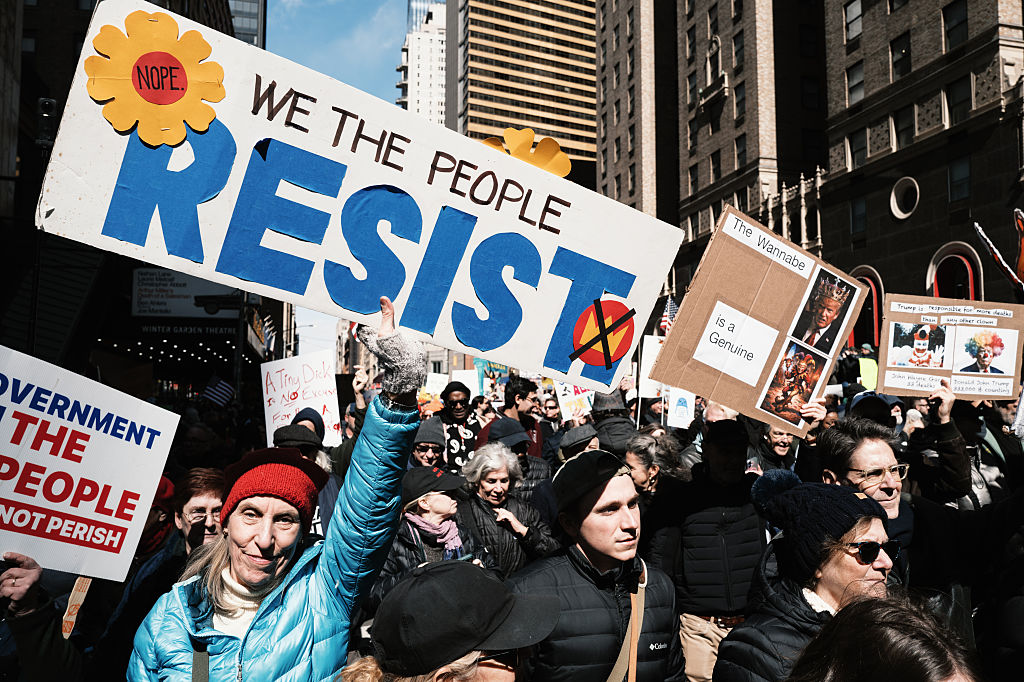
Organizers said roughly 8 million people joined No Kings protests on March 28 to voice opposition to President Donald Trump and immigration enforcement.
The demonstrations, described as the third major No Kings day, occurred amid anger over federal immigration operations and the U.S.-Israeli war on Iran.
Bruce Springsteen performed at the Minnesota flagship event alongside speakers including Sen. Bernie Sanders, Jane Fonda and Rep. Ilhan Omar, while a White House spokesperson called the rallies the product of 'leftist funding networks.'
Organizers said roughly 3,000 to 3,300 events took place across all 50 states and in more than a dozen other countries, and reports said most demonstrations were peaceful though some arrests and police actions occurred.
Organizers and allied groups said they expect the rallies to fuel local organizing and endorsed a May 1 'No Work, No School, No Shopping' action backed by Indivisible.
Analysis
Center-leaning sources frame the No Kings protests as large and potentially consequential but ultimately uncertain. Editorial choices — leading with turnout figures, highlighting activist coalitions, and emphasizing sociologists’ caveats about sustaining movements — nudge readers toward cautious optimism, while direct activist quotes convey urgency; sources’ skepticism is foregrounded through structural emphasis.
FAQ
The protests opposed the second Trump administration's policies, including ICE operations that led to shootings like the killings of Renée Good, Keith Porter, and Alex Pretti, the 2026 Iran war, democratic backsliding, and suppression of the Epstein files.[1]
Organizers reported roughly 8 million participants across 3,000 to 3,300 events in all 50 U.S. states and over a dozen countries, described as the largest single-day protest in American history.[1]
Bruce Springsteen performed at the Minnesota event with speakers including Sen. Bernie Sanders, Jane Fonda, Rep. Ilhan Omar, and Joan Baez.
Most events were peaceful, but in Los Angeles, police issued dispersal orders, used tear gas, and made arrests after chaos outside the Federal Detention Center where protesters tried to tear down a fence.[2]
The protests were coordinated by Indivisible and 50501, with support from groups like Third Act Movement and AFL-CIO.