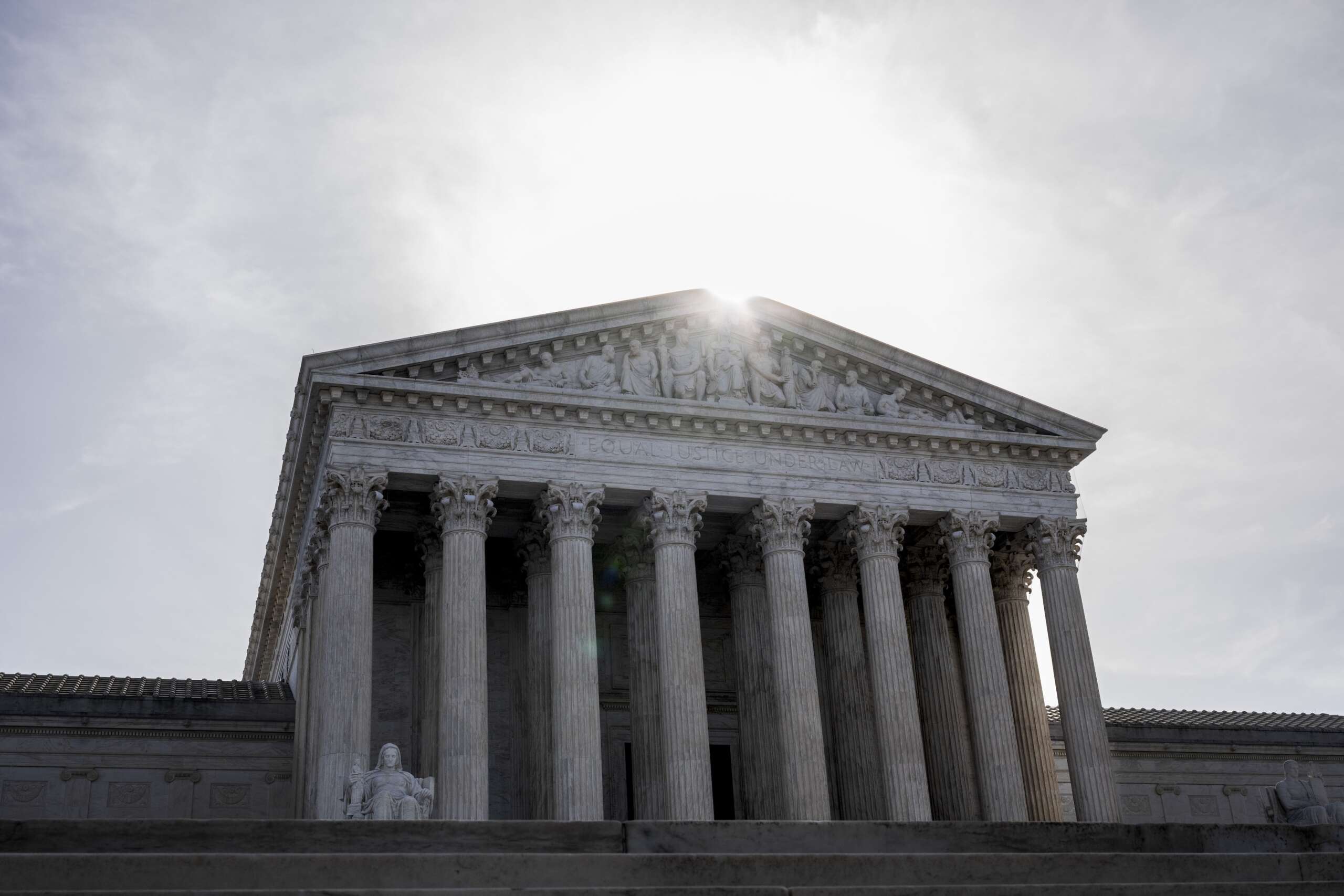
Supreme Court Bars Colorado Conversion Therapy Ban, Citing Free Speech
In Chiles v. Salazar the Court ruled 8-1 that Colorado's ban on conversion therapy for minors violates free speech, raising questions about regulating speech-based medical care.

 The Daily Wire
Supreme Court Ends Colorado’s War On Reality

 USA TODAY
What is conversion therapy? What to know after Supreme Court decision
 Truthout
Supreme Court Rules Colorado Conversion Therapy Ban Violates Free Speech Rights

 The Intercept
Conversion Therapy Gets Speech Protections — But Trans Kids’ Existence Gets No Protection at All
Overview
The Supreme Court ruled 8-1 in Chiles v. Salazar that Colorado's ban on conversion therapy for minors violates the free speech rights of a Christian counselor.
The decision was issued on Transgender Day of Visibility, March 31, and focused on Colorado's 2019 law barring licensed professionals from attempting to change a minor's sexual orientation or gender identity.
Advocates and medical organizations condemned the ruling, with Human Rights Campaign President Kelley Robinson calling it "cruel" and Trevor Project CEO Jaymes Black warning it will put young lives at risk.
More than a dozen major mental health and medical organizations have denounced conversion therapy, the United Nations has called it torture, 23 states and Washington, D.C., ban it for minors, and a 2023 Trevor Project search found over 600 counselors offering it.
Justice Ketanji Brown Jackson dissented, saying the ruling risks making speech-only therapies unregulatable, and the case was returned to the 10th Circuit while malpractice and licensing investigations remain possible.
Analysis
Center-leaning sources frame the ruling as a free-speech vindication by using evaluative language ("resounding no," "victory for free speech—and, to be perfectly honest, for sanity"), prioritizing constitutional argument over transgender safeguards, highlighting the majority opinion while marginalizing dissent, and structuring coverage to lead with the legal win before competing concerns.