One Year After 'Liberation Day,' Tariffs Leave U.S. Economy in Limbo
Tariffs announced April 2, 2025 raised prices modestly, roiled markets and were partly struck down by the Supreme Court in February, risking refunds and prompting new investigations and temporary 10% duties.

 Straight Arrow News
'Liberation Day,’ one year later: Higher prices, uncertain future
 Semafor
The world marks one year since âLiberation Dayâ

 CNBC
CNBCOne year on from Trump's 'liberation day,' global investors are rethinking American exceptionalism
 El Pais
Chaos, fear and disappointment: Trump’s tariffs turn one year old
Overview
In February the U.S. Supreme Court struck down most duties from the April 2, 2025 tariff regime, and a judge ordered the government to prepare to potentially pay billions of dollars in refunds to importers.
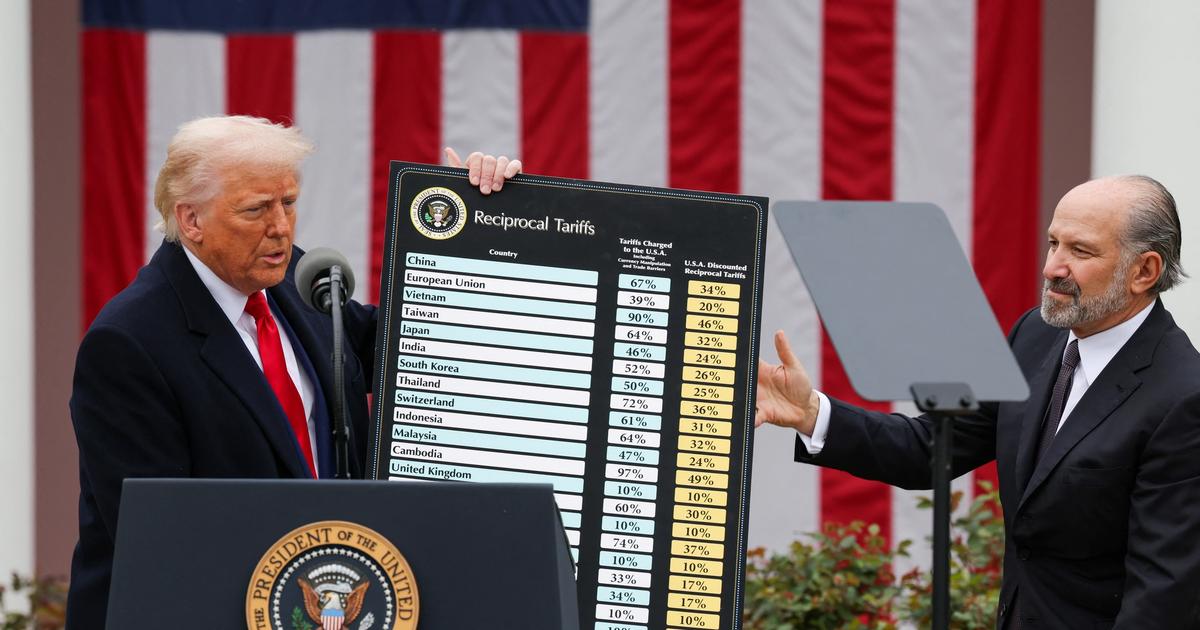
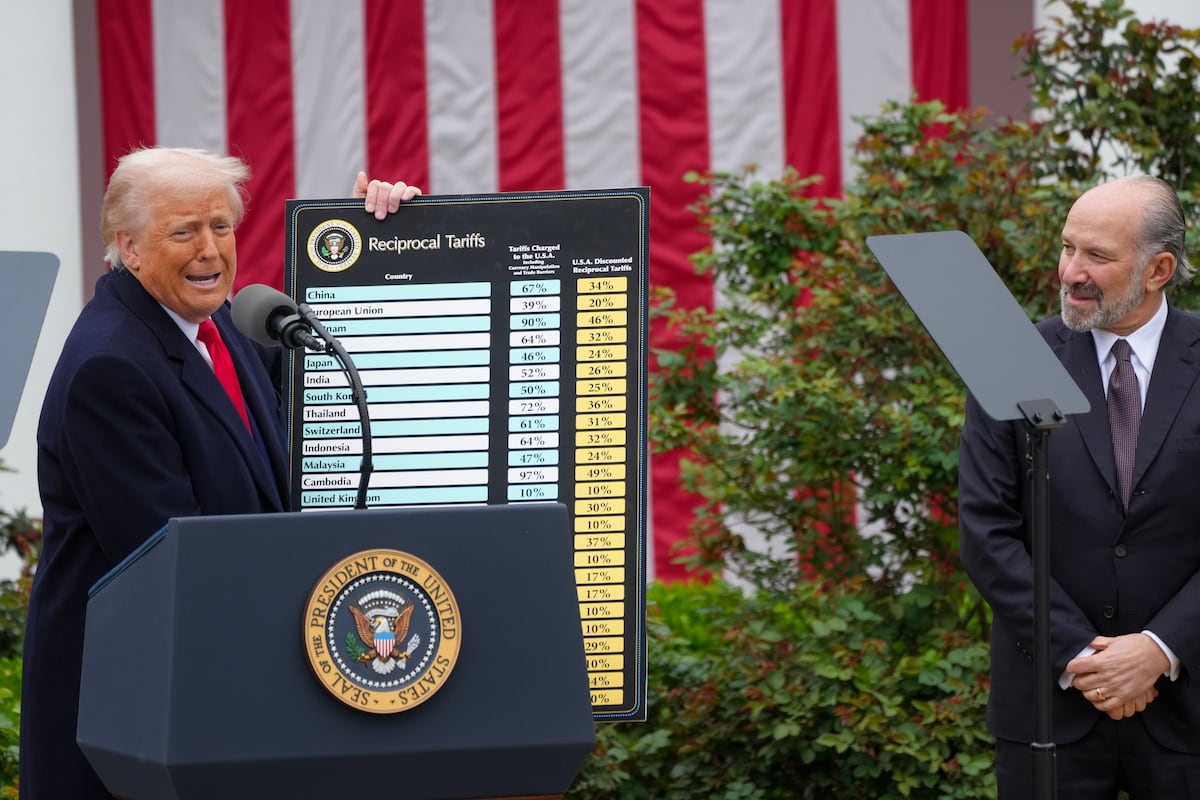
On April 2, 2025 President Donald Trump declared a national emergency over trade and announced a 10% baseline tariff on most imports along with proposed levies up to 145% on certain Chinese goods.
Global investors have reassessed exposure to U.S. assets as markets rotated to Brazil, the U.K., Japan, India and emerging markets, and the administration launched Section 301 investigations into more than a dozen trading partners including China, the EU, Japan, Switzerland and India.
The U.S. average effective tariff rate stands at 11%, which the Yale Budget Lab says is the highest since 1943 except for 2025, while Americans paid about 5.4% more for imported goods and 3% more for domestic products, according to researchers.
The administration has imposed a 10% temporary tariff on select goods and said it will seek to raise it to 15%, while courts and possible refunds — one account citing roughly $170 billion — leave the outcome dependent on legal and congressional actions.
Analysis
Center-leaning sources frame Trump's tariffs as costly and geopolitically damaging by emphasizing declines in US–China trade, higher consumer prices, and strained alliances. Editorial choices include prioritizing economists and legal experts, foregrounding statistical drops and inflation estimates, highlighting critical quoted responses (unilateralism, loss of soft power), and giving secondary space to limited counterpoints.