U.S. Removes Sanctions on Venezuela's Acting President Delcy Rodríguez
OFAC removed Delcy Rodríguez from the SDN list, reopening diplomatic and commercial paths after U.S. forces seized Nicolás Maduro and amid Venezuela's 700% inflation and outstanding political detentions.

 New York Post
Exclusive | Venezuelans still fighting corruption and crippling 700% inflation — but remain optimistic as US lifts sanctions
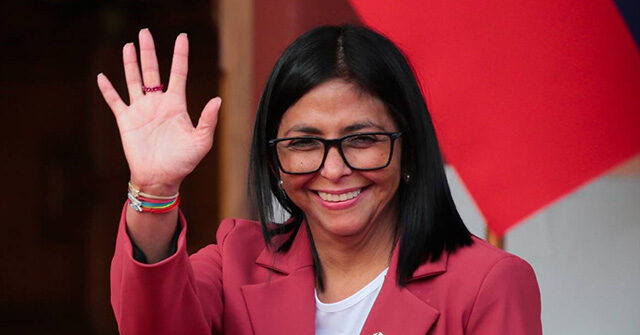
 Breitbart News
U.S. Lifts Sanctions on Venezuela's Delcy Rodríguez
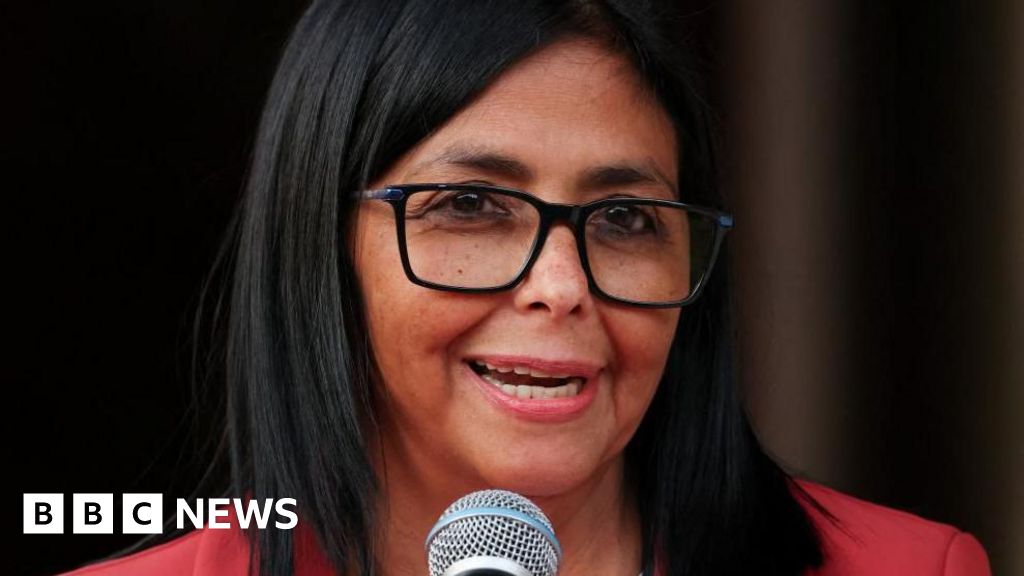
 BBC News
US lifts sanctions on Venezuelan interim leader Delcy Rodríguez
 The Guardian
US lifts sanctions on Venezuela’s acting president Delcy Rodríguez

 NPR
NPRU.S. lifts sanctions on Venezuela's acting President Delcy Rodríguez
Overview
The U.S. Treasury's Office of Foreign Assets Control announced on Wednesday that it lifted sanctions on Venezuela's acting president Delcy Rodríguez and removed her from the Specially Designated Nationals list.
The move allows Rodríguez to work more freely with U.S. companies and forms part of a three-pronged U.S. plan to stabilize, recover and transition Venezuela after U.S. forces seized Nicolás Maduro and his wife on Jan. 3.
Rodríguez welcomed the decision as a step toward normalizing relations, White House spokeswoman Anna Kelly called it progress, and opposition activists urged pressure to secure the release of remaining political prisoners, according to reports.
Authorities have released some 400 political prisoners, but sources say roughly 500 to 600 still remain detained, while Venezuela faces roughly 700 percent inflation and a monthly minimum wage of 130 bolivars (about $3).
The U.S. reopened its embassy in Caracas this week and in March authorized PDVSA to sell oil to U.S. companies, and U.S. officials say a transition phase and free elections will eventually be required.
Analysis
Center-leaning sources frame the story around U.S. policy shift, emphasizing legitimacy conferred by sanctions relief and using evaluative terms. Editorial choices favor U.S. government and Delcy Rodríguez voices while omitting Maduro-aligned perspectives or independent analysts. Language like "sham" and "authoritarian rule" and lead placement of Treasury actions steer readers toward a U.S.-centric interpretation.