DOJ Says Bondi Will Not Testify April 14 in Epstein Inquiry
DOJ told the Oversight Committee the subpoena sought Bondi 'as Attorney General' and no longer obligates her April 14 deposition; the committee plans to pursue testimony and survivors pressed for answers.
 CBS News
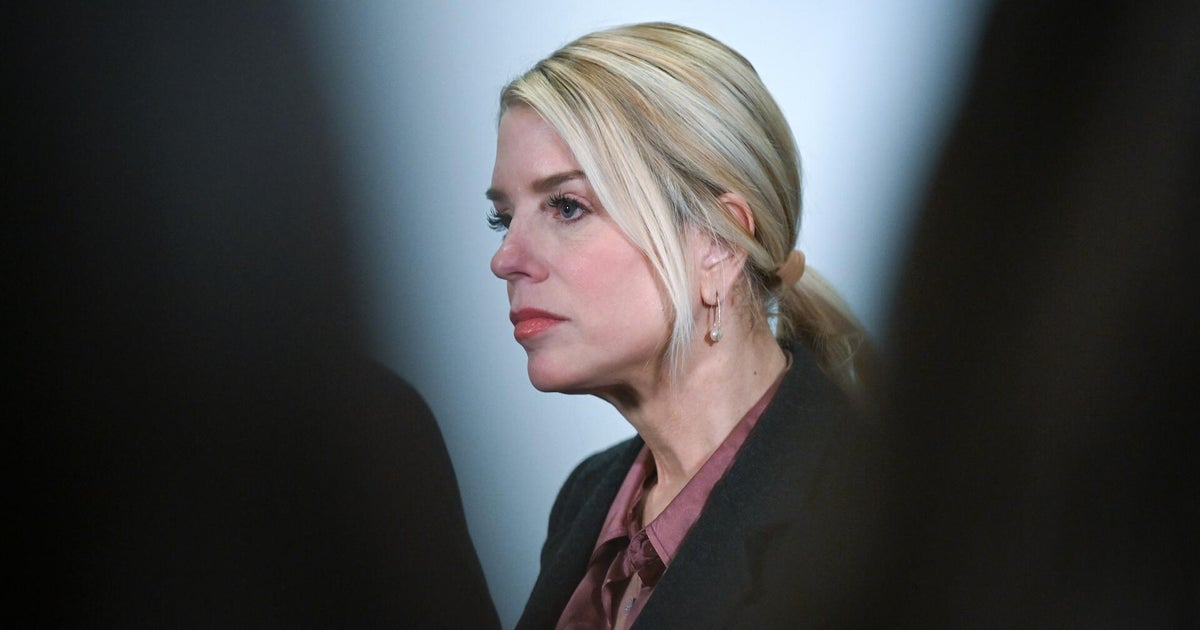
Bondi won't appear for April 14 deposition in Oversight Committee's Epstein probe

 CNBC
CNBCEpstein files: Pam Bondi testimony to House panel canceled, Democrats threaten contempt charges
 Raw Story
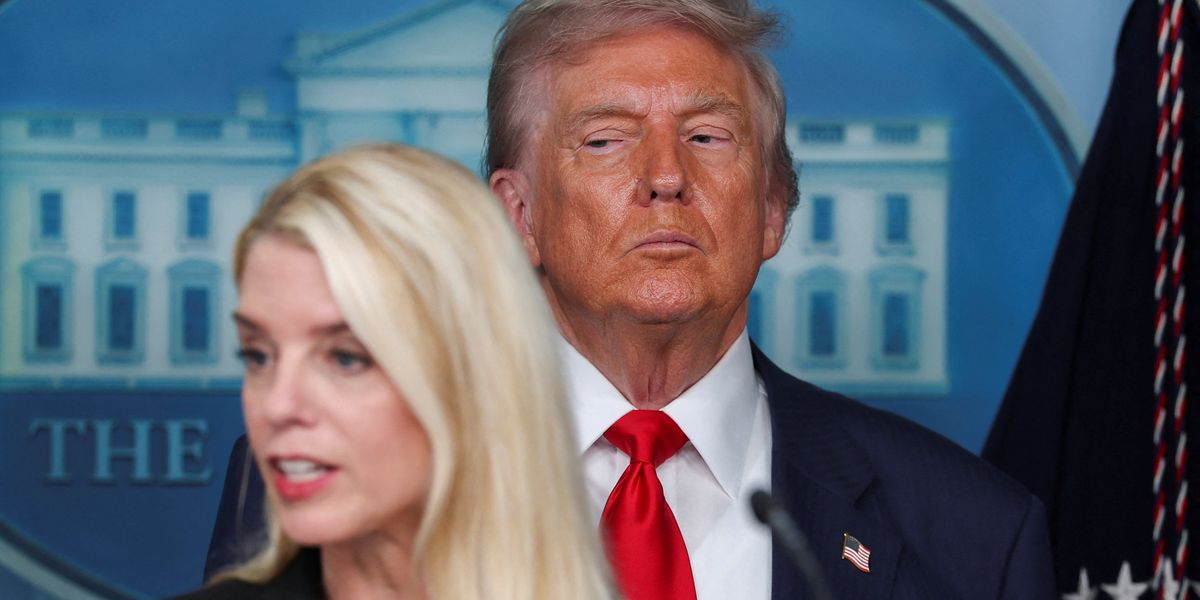
'Curious excuse' flagged as Bondi threatened with contempt for dodging Epstein testimony
 FOX News
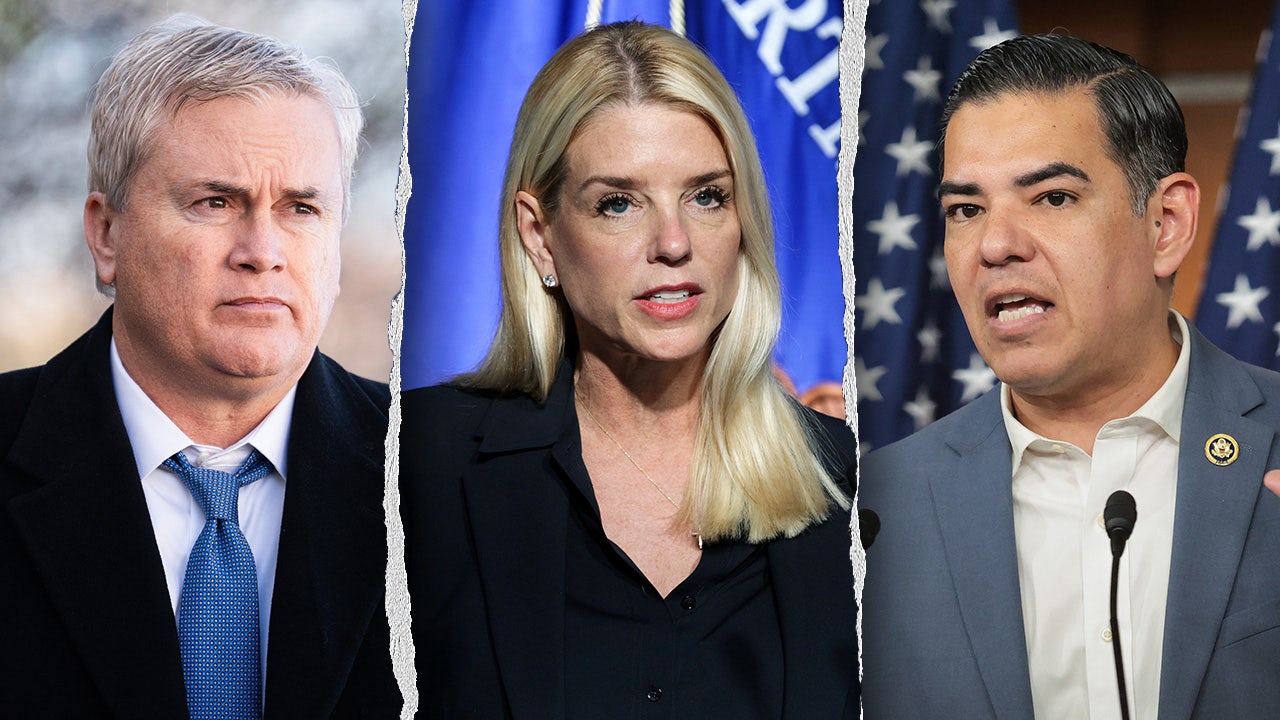
Ousted AG Bondi declines Epstein deposition, but lawmakers say subpoena still holds
Overview
Assistant Attorney General Patrick D. Davis wrote to Oversight Chair James Comer that Pam Bondi will not appear on April 14 because the subpoena sought her testimony 'as Attorney General' and she is no longer in that role.
The deposition was compelled by a bipartisan subpoena as part of the committee's probe into how the Justice Department handled the Jeffrey Epstein files and compliance with the Epstein Files Transparency Act.
Rep. Robert Garcia threatened contempt charges if Bondi defies the subpoena, and Rep. Nancy Mace urged the chairman to insist Bondi appear; a committee spokeswoman said the panel will contact Bondi's personal counsel about next steps.
Five Republicans on the committee voted with Democrats to subpoena Bondi, and the Justice Department has released millions of documents about Jeffrey Epstein and Ghislaine Maxwell, though lawmakers say some files remain withheld.
The committee said it will contact Bondi's personal counsel to discuss rescheduling her deposition, and the Justice Department asked the committee to withdraw the subpoena in a letter from its Office of Legislative Affairs.
Analysis
Center-leaning sources frame the story as a transparency and accountability controversy, using evaluative language (e.g., "cloud of uncertainty," "bungled release") and spotlighting bipartisan frustration. Editorial choices place the DOJ's procedural letter up front while foregrounding lawmakers' demands and threats, creating a narrative that emphasizes institutional confusion and pressure for accountability.