D.C. Appeals Court Refuses Stay, Expedites Anthropic Blacklist Case
Appeals court denied Anthropic's emergency stay and set expedited oral arguments for May 19 while a separate California judge issued a preliminary injunction in March.

 ARS Technica
Trump-appointed judges refuse to block Trump blacklisting of Anthropic AI tech

 New York Post
Anthropic loses bid to temporarily block Pentagon blacklisting
 Military Times
Pentagon’s ouster of Anthropic opens doors for small AI rivals

 Washington Examiner
Anthropic loses bid to block Pentagon's 'supply chain risk' designation
Overview
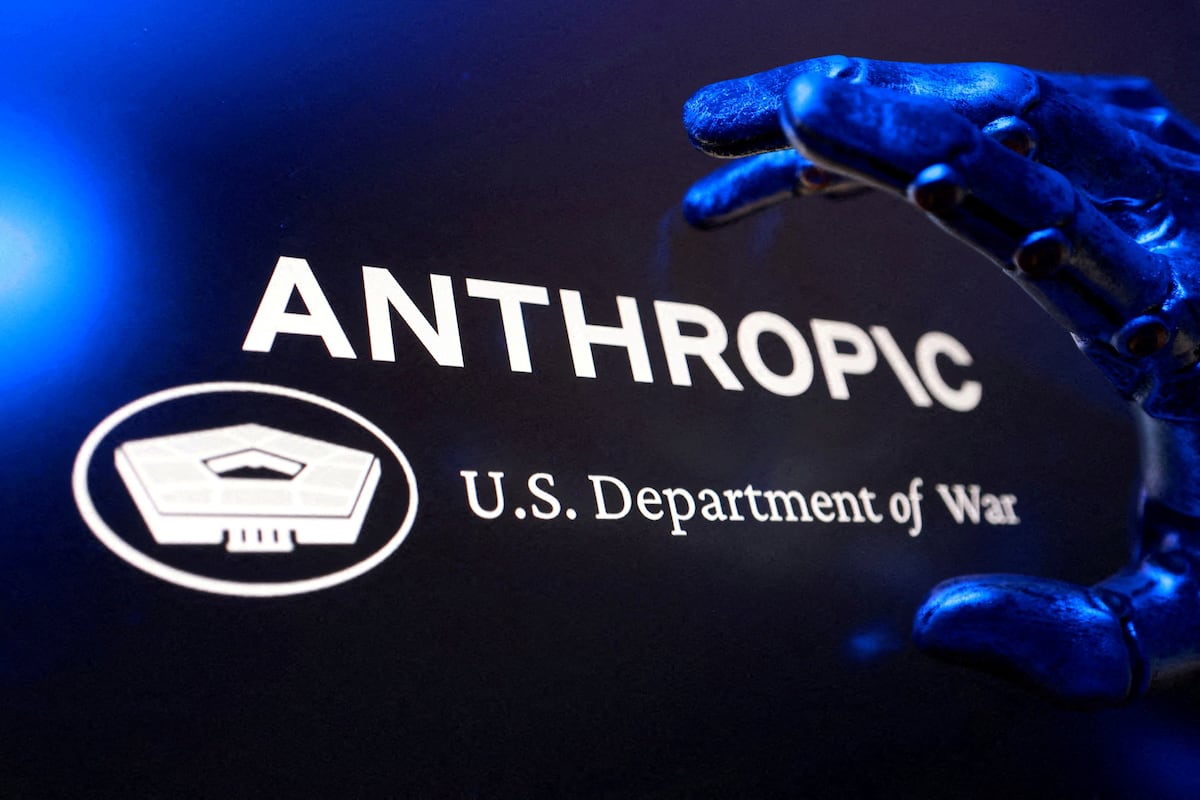
The U.S. Court of Appeals for the D.C. Circuit refused Anthropic's emergency motion to block the Pentagon blacklisting and granted expedition, scheduling oral arguments for May 19.
The case stems from the Department of Defense's designation of Anthropic as a supply-chain risk that bars defense agencies and contractors from using its AI models on government projects.
U.S. District Judge Rita Lin granted Anthropic a preliminary injunction in March in a separate Northern California case, and the Trump administration has appealed that ruling to the Ninth Circuit.
Anthropic had a $200 million contract with the Defense Department, and tensions escalated after a leaked 1,600-word memo from CEO Dario Amodei and a designation by Secretary Pete Hegseth.
The ruling has prompted the Pentagon to accelerate engagement with smaller AI firms, with EdgeRunner saying the military told it it could reach IL-6 within three months versus a typical 18 months.
Analysis
Center-leaning sources frame the Anthropic fallout as an opportunity for smaller defense AI firms, emphasizing acceleration, expanded demand and successful prototypes. They foreground startup and Pentagon voices, use positive verbs like "opened doors" and "sped up," and downplay dissent by omitting Anthropic’s rebuttal and independent caution about rapid procurement risks.