U.S., Iran Hold Islamabad Talks As U.S. Begins Clearing Hormuz
Trilateral talks in Islamabad aim to cement a two-week ceasefire while U.S. forces began setting conditions to clear mines from the Strait of Hormuz.

 Raw Story
Trump admin accused of lying about Iran threats to avoid looking ‘weak’

 CNBC
CNBCU.S.-Iran talks underway in Pakistani capital after delegations arrive
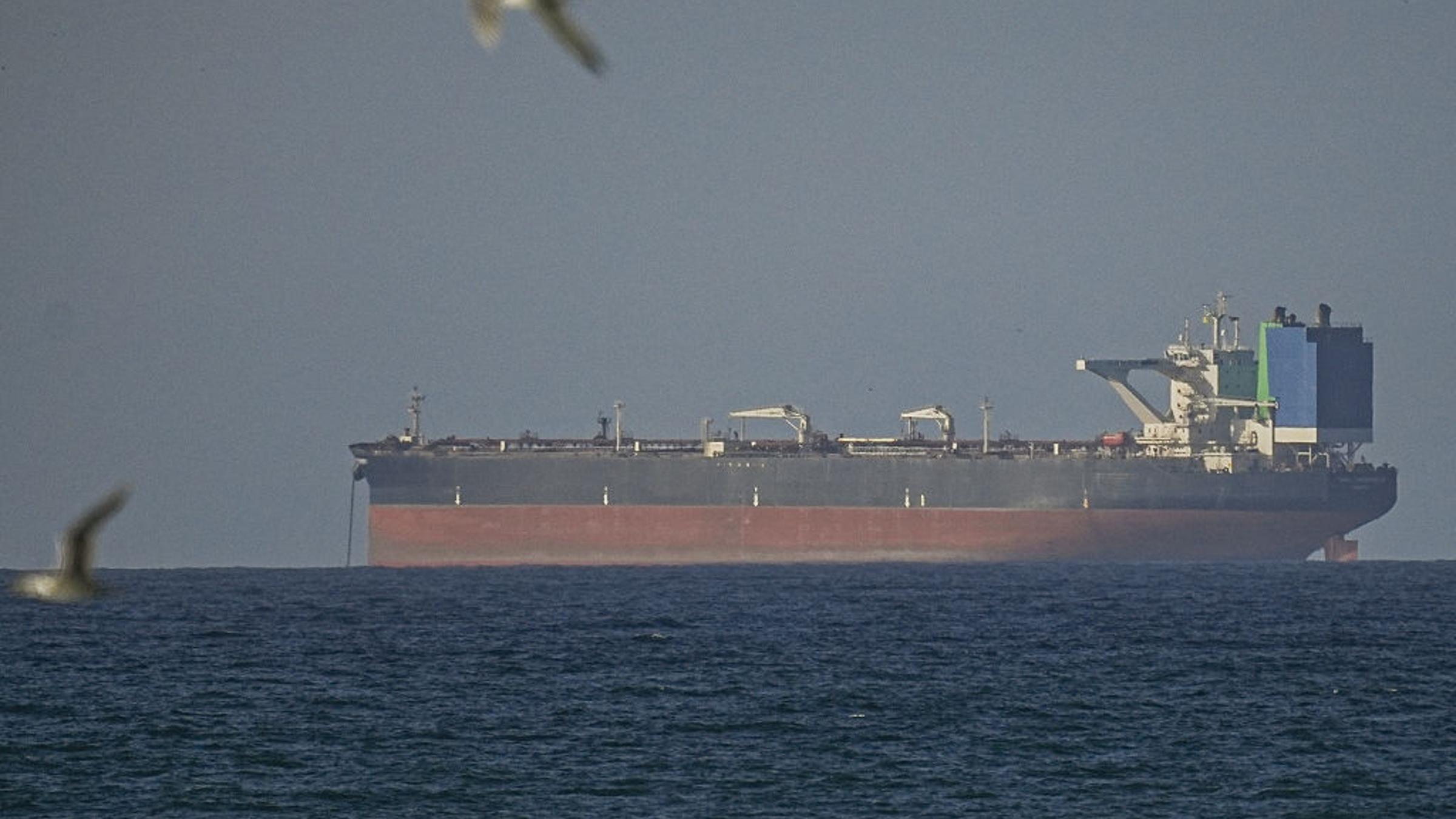
 TIME Magazine
Trump Says U.S. Has Begun ‘Clearing Out’ Strait of Hormuz As Iran Peace Talks Begin
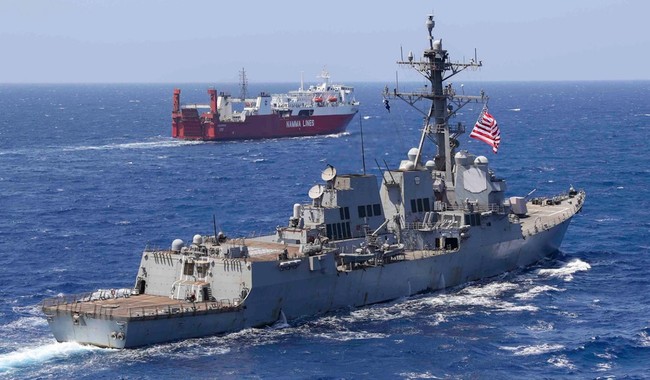
 RedState
U.S. Navy Destroyers Lead New Mine-Clearing Charge in Strait of Hormuz
Overview
U.S. and Iranian delegations began face-to-face talks in Islamabad on Saturday seeking to cement a two-week ceasefire that began Tuesday.
U.S. Central Command said forces began setting conditions to clear mines in the Strait of Hormuz as the destroyers USS Frank E. Petersen Jr. and USS Michael Murphy transited the waterway.
Iran told mediators in Islamabad it had four 'non‑negotiable' conditions including full sovereignty over the Strait of Hormuz and unconditional release of blocked assets, Tasnim reported.
The Iranian delegation included some 70 officials and experts, while the U.S. team was led by Vice President JD Vance alongside special envoy Steve Witkoff and Jared Kushner.
A third negotiation round was scheduled for later Saturday, and separate Israel-Lebanon talks were expected to begin Tuesday in Washington though Lebanon's prime minister postponed a planned trip.
Analysis
Center-leaning sources frame the story by centering U.S. diplomatic leadership and emphasizing official positions, using adversarial wording and sequencing that casts Iran as the primary violator. They prioritize state actors and policy details over civilian perspectives, juxtaposing casualty figures with government statements to focus the narrative on negotiation dynamics.