US Revokes Green Cards, Detains Relatives of 1979 Iran Hostage Crisis Figure
State Department revoked lawful permanent resident status for Seyed Eissa Hashemi, his wife, and son, and ICE detained them pending removal amid broader actions against relatives of Iranian officials.
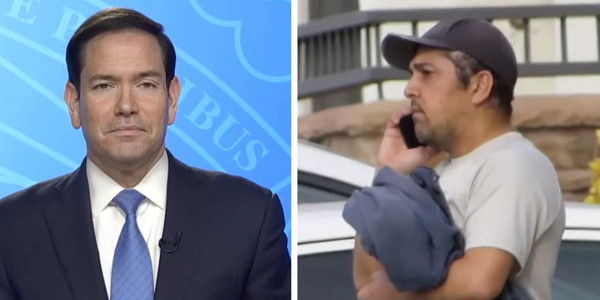
 The Post Millennial
State Dept revokes 3 more green cards of Iranian nationals tied to regime

 Daily Beast
Sidelined Rubio Awkwardly Sucks Up to Trump While Vance Does His Job

 The Gateway Pundit
Secretary Marco Rubio TERMINATES Legal Status of Family Members Linked to Infamous 1979 Iranian Hostage-Taker Propagandist ‘Screaming Mary’ | The Gateway Pundit | by Jim Hᴏft
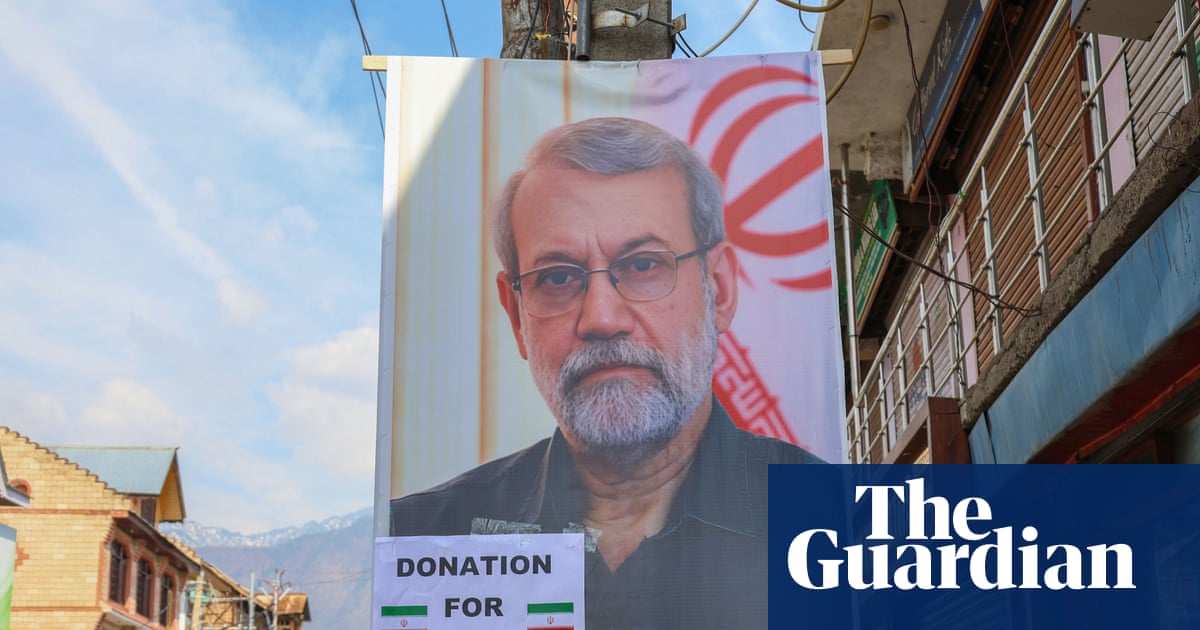
 The Guardian
US state department revokes green cards of three Iranian nationals it links to regime
Overview
The State Department revoked lawful permanent resident status for Seyed Eissa Hashemi, his wife Maryam Tahmasebi, and their son, and Immigration and Customs Enforcement detained them pending removal, officials said on Saturday.
Hashemi is the son of Masoumeh Ebtekar, who was spokesman for the students who stormed the U.S. Embassy in Tehran in 1979 and helped hold 52 Americans hostage, the State Department said.
Secretary of State Marco Rubio said the family entered the U.S. on a visa in 2014 and obtained green cards in 2016 through the Diversity Immigrant Visa Program, which the Trump administration ended in December 2025.
The actions follow similar terminations and arrests of relatives of Qasem Soleimani and the termination of the legal status of the daughter of former Iranian security official Ali Larijani and her husband, officials said.
Vice President JD Vance, Special Envoy Steve Witkoff, and Jared Kushner arrived in Islamabad for talks aimed at opening the Strait of Hormuz under a fragile two-week ceasefire, according to reports.
Analysis
Center-leaning sources frame the story as a national-security enforcement action by foregrounding labels like "Iranian regime propagandist" and linking relatives to historical hostage-taking and high-profile Iranian figures. They emphasize government statements (e.g., Rubio's "terrorists" language) and policy changes while omitting defense perspectives, legal context, or human-rights viewpoints, creating a one-sided enforcement narrative.