Appeals Court Temporarily Allows Trump White House Ballroom Work
Appeals court extended construction to April 17 and sent the case back to Judge Richard Leon to reconsider national-security claims about underlying bunker and safety work.

 RedState
New Twist: DC Circuit Kicks White House Ballroom Case Back to Lower Court Over Security Questions

 New York Post
Construction on Trump’s prized $400M White House ballroom can resume for at least a few more days: court
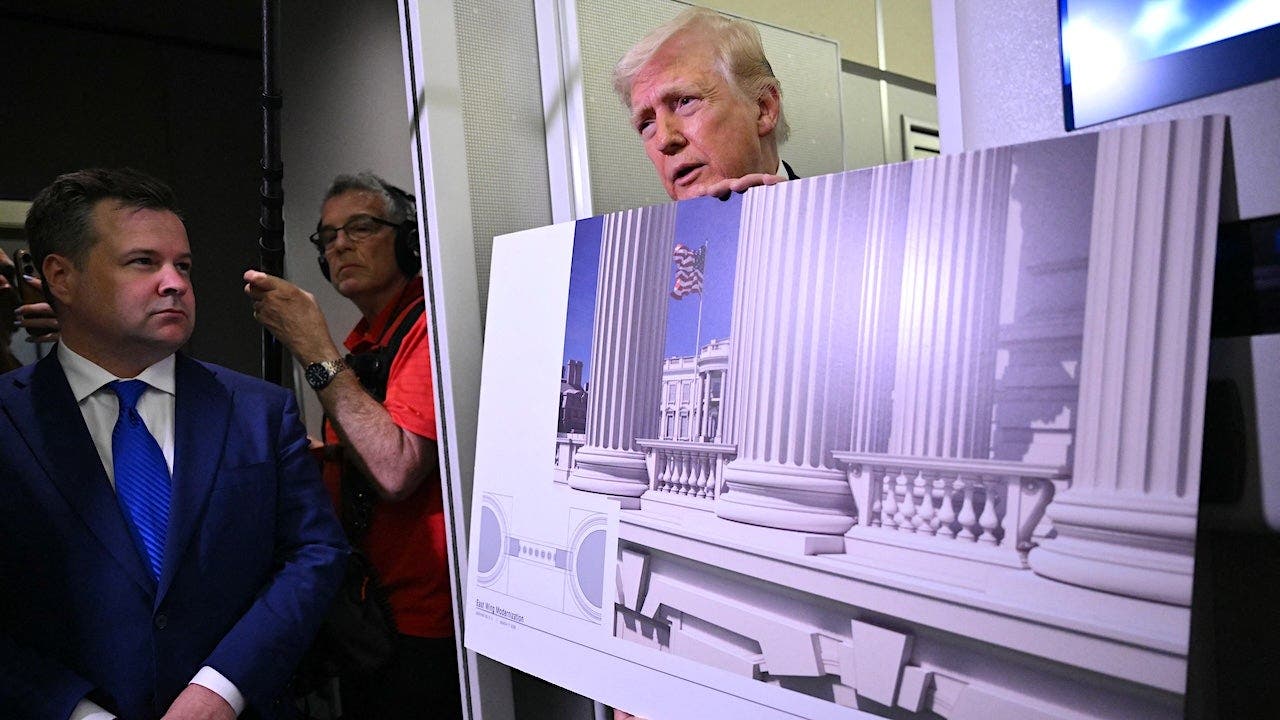
 FOX News
Appeals court says federal judge must reconsider blocking WH ballroom, weigh national security concerns
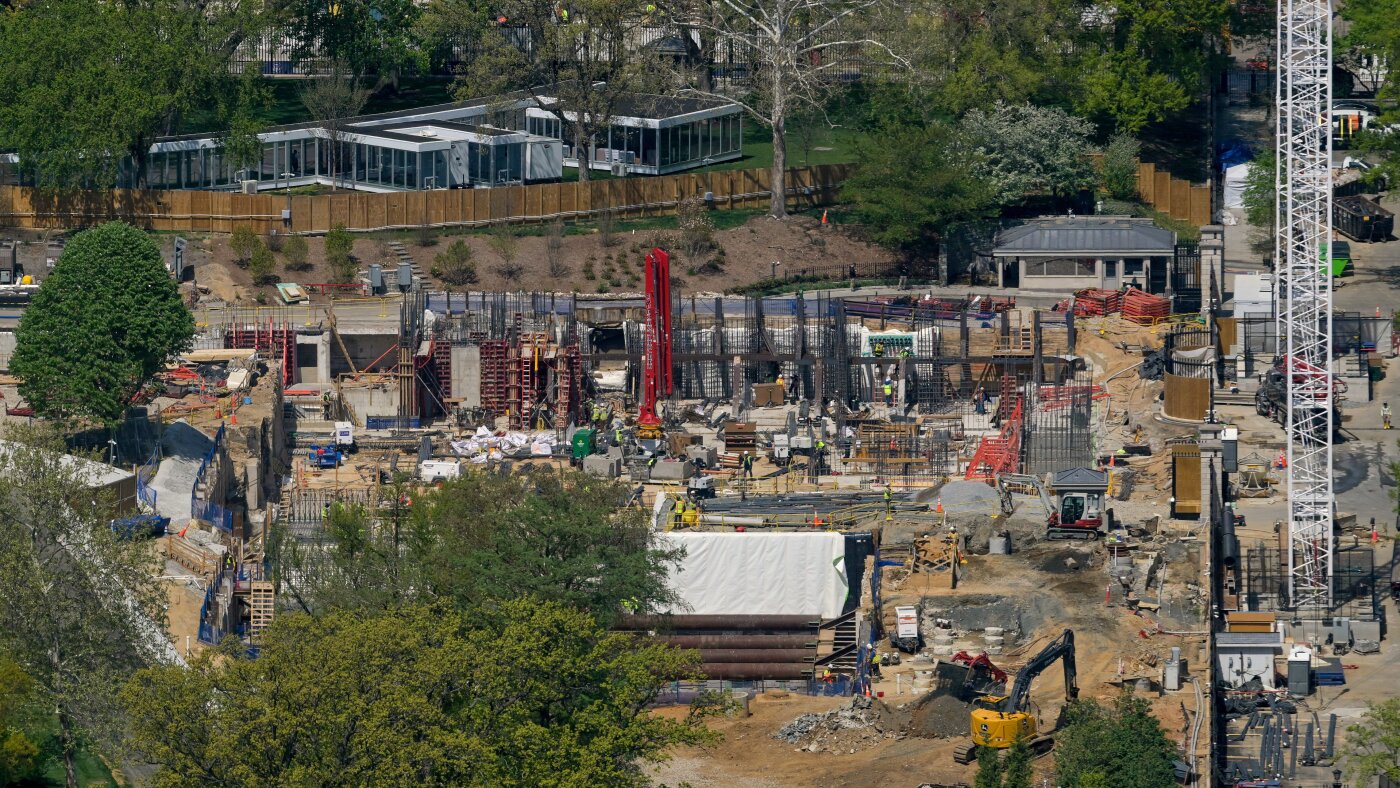
 NPR
NPRWhite House ballroom construction can continue for now, appeals court says
Overview
A three-judge D.C. Circuit panel ruled construction on the White House ballroom can continue through April 17 while it reconsiders national-security questions and sent the case back to U.S. District Judge Richard Leon.
A lower court issued a March 31 injunction ordering construction to stop by April 14 unless Congress authorized the project, prompting the administration to appeal and seek relief on security grounds.
Government lawyers argued that halting work would imperil the president and others because the project includes security features against drones, ballistic missiles and biohazards, while the National Trust for Historic Preservation sued in December and said it awaited clarification.
The plan involves demolishing the East Wing for a roughly 90,000-square-foot ballroom seating roughly 999 to 1,000 people and costing roughly $300 million to $400 million, and it won final approval from a federal commission in February.
The appeals panel instructed Judge Leon to clarify whether and how his injunction interferes with the administration’s safety and security plans, and the brief stay allows time to seek Supreme Court review.
Analysis
Center-leaning sources frame the story as procedural and accountability-focused, emphasizing administrative bypass and preservationist concerns over security claims. Editorial choices—phrases like 'stocked with allies,' noting approvals 'before seeking input,' and sourcing preservationist statements—highlight process critiques, while also reporting government security assertions as source content.