Virginia Joins National Popular Vote Compact
Virginia's law brings the National Popular Vote compact to 222 electoral votes; it only activates at 270 and would award electors to the national popular-vote winner.

 Townhall
Democrats Just Got One Step Closer to Seizing Presidential Elections
 Washington Examiner
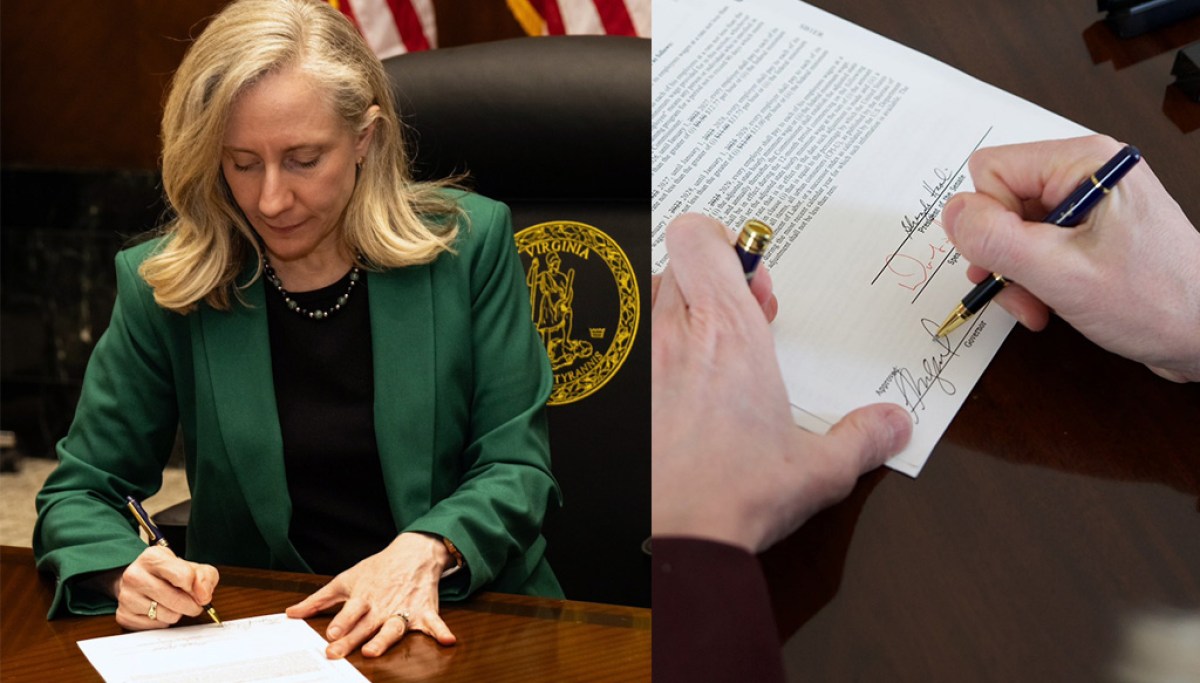
Spanberger inks law to award Virginia electoral votes to popular vote winner
 The Post Millennial
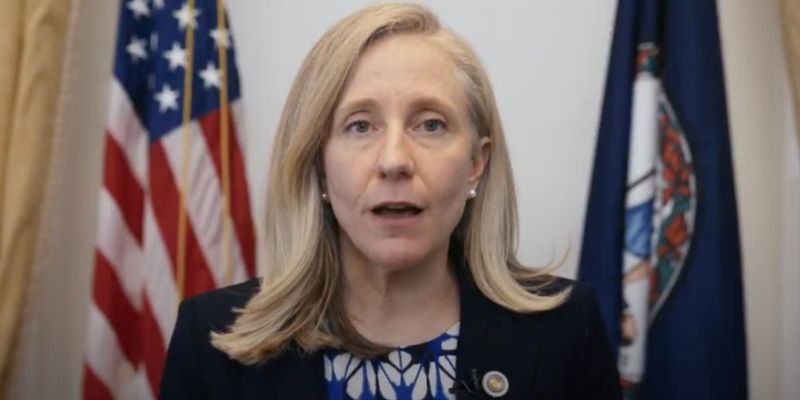
BREAKING: Abigail Spanberger signs law to circumvent electoral college for Virginia voters
 FOX News
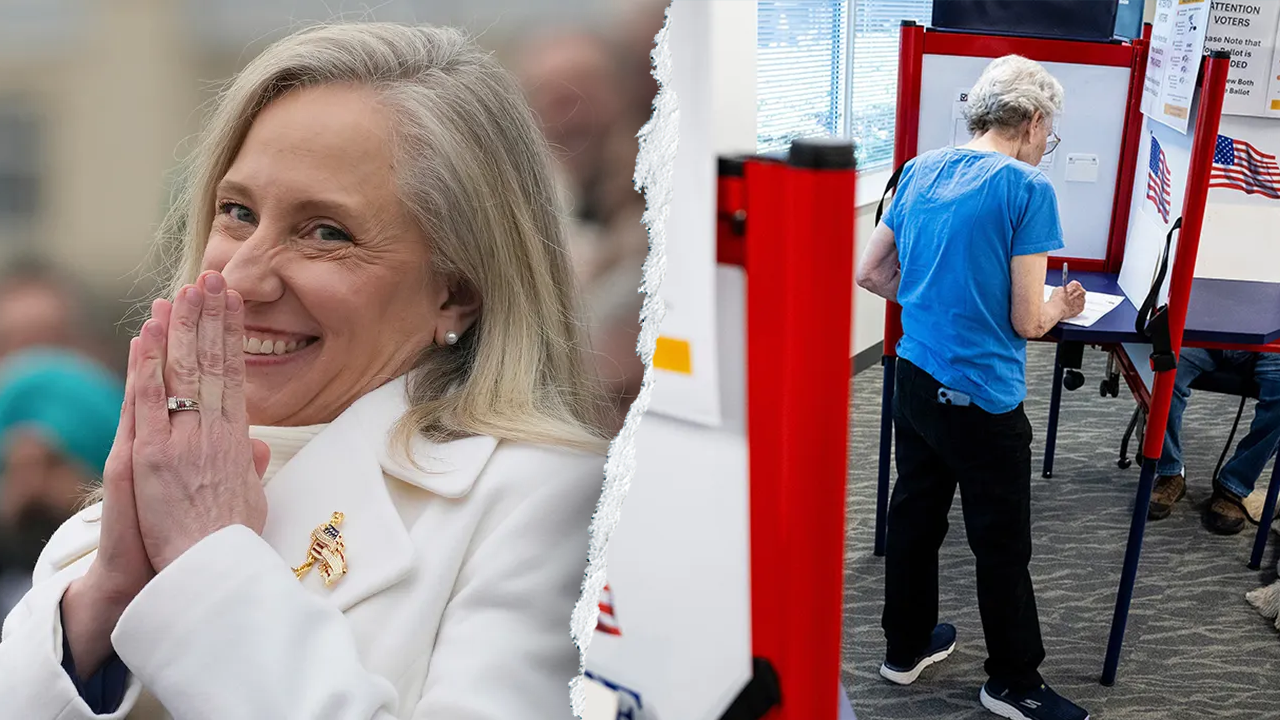
Spanberger's 'unconstitutional' push to redefine presidential elections makes voters 'NULL AND VOID': critics
Overview
Virginia Gov. Abigail Spanberger signed a bill adding the state to the National Popular Vote Interstate Compact, bringing participating jurisdictions to 18 states and Washington, D.C.
The compact would assign states' electors to the nationwide popular-vote winner once participating states hold at least 270 electoral votes, the number required to decide the presidency.
Republican critics said the law nullifies Virginians' votes and is unconstitutional, while groups such as National Popular Vote and Stand Up America hailed it as a step toward equalizing presidential votes.
With Virginia's 13 electoral votes, the compact now covers 222 electoral votes and remains 48 votes short of the 270 threshold, and a Pew poll showed 63% support for replacing the Electoral College.
Until the compact reaches 270 electoral votes the law remains dormant and advocates and scholars say it would face legal challenges over whether congressional approval is required.
Analysis
Center-leaning sources frame the National Popular Vote compact as a growing, democratic reform with momentum, emphasizing proponents' arguments (votes made relevant, Pew poll support) while treating constitutional objections as contested legal questions. Editorial choices — lede wording like "circumvent," early pro quotes, and ordering that foregrounds momentum — create a generally favorable, cautious-optimistic slant.