Magyar Moves Quickly to Dismantle Orbán’s Illiberal State
New Prime Minister Péter Magyar won a supermajority and has begun actions to restore media independence and reorient Hungary toward the EU and away from Russia.
 Truthout
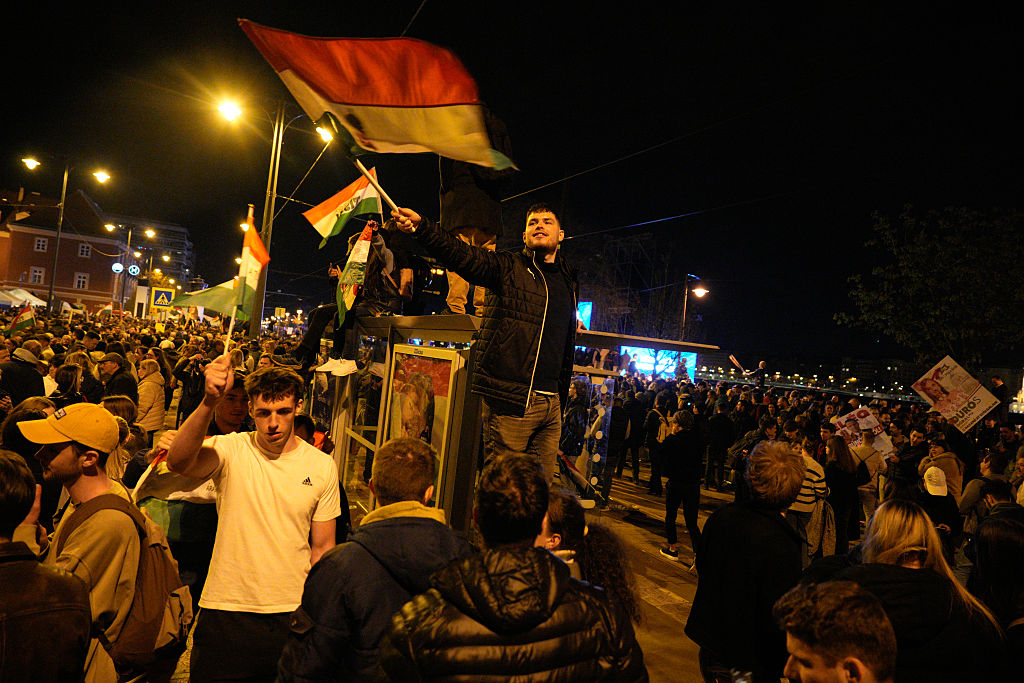
Orbán is Ousted After 16 Years as Hungarians Reject Authoritarian Rule
 AlterNet
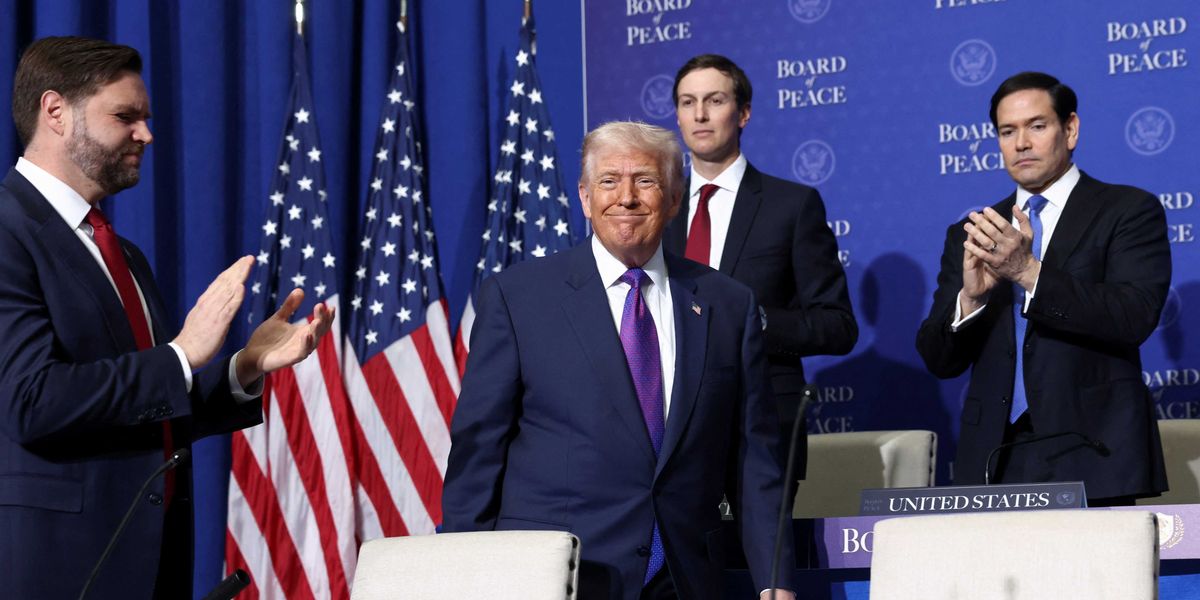
Trump admin's campaign for Orbán backfired spectacularly — and revealed a deeper problem
 NBC News
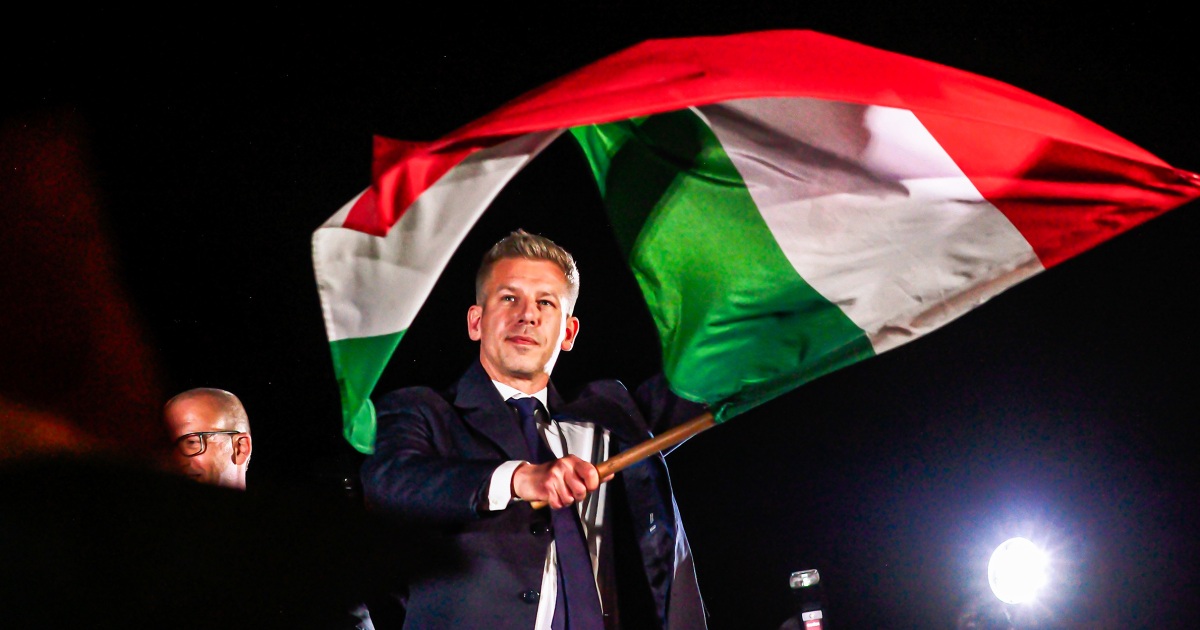
The 'absolute cinema' of life after Orbán: Hungary's new leader takes on the authoritarian state
 Jacobin
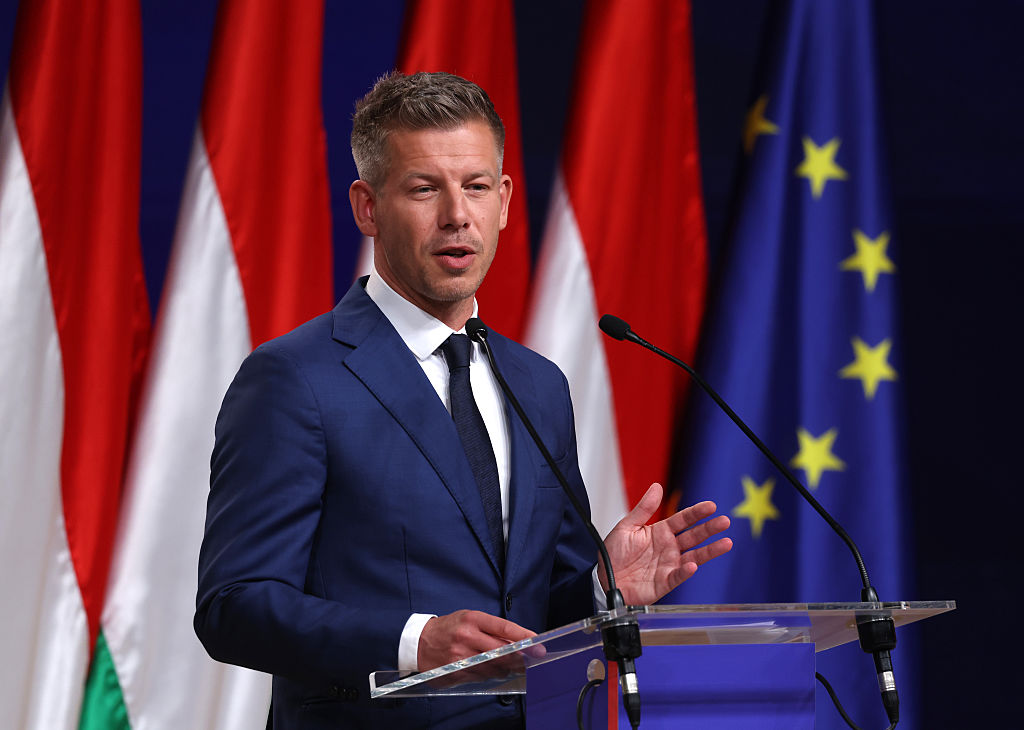
What Viktor Orbán’s Downfall Hasn’t Settled
Overview
Péter Magyar demanded the resignation of the Orbán-aligned president after posing with him and suspended state media pending guarantees of independence, according to reporting.
Magyar’s Tisza party won roughly 136 to 140 of 199 parliamentary seats, giving it a two-thirds supermajority to amend the constitution and unpick Orbán-era laws.
Magyar has pledged to stop blocking EU aid to Ukraine and to end Hungary’s close alignment with Russia, prompting discussions with European officials about unfrozen funds of roughly €17 to €20 billion.
Journalists at the MTI state news agency wrote a letter demanding the reinstatement of editorial independence and European leaders urged swift work to restore the rule of law, officials said.
Magyar faces the task of replacing Orbán’s entrenched institutions while meeting diverse expectations from urban professionals, youth, and excluded business figures, and must decide how to use his supermajority next.
Analysis
Center-leaning sources frame Orbán’s electoral defeat as insufficient to disprove authoritarianism, using loaded descriptors ('strongman tactics', 'dragooning of independent media', 'opprobrium') and skeptical qualifiers ('quasi-defenders', 'curious defense'). They juxtapose brief defender quotes with sustained institutional allegations, privileging systemic criticisms while giving minimal contextual detail for the defenders' claims.