Trump Signs Short-Term Extension Of Section 702, Setting Up April 30 Showdown
President Trump signed a 10-day extension of Section 702, moving the program's expiration to April 30 and forcing renewed negotiations over warrant reforms and privacy safeguards.

 The Daily Wire
A Quiet Deadline Could Leave America Blind To Terror And Cyber Threats

 CNBC
CNBCThree things to know about FISA Section 702: Congress passes short-term extension of controversial surveillance program
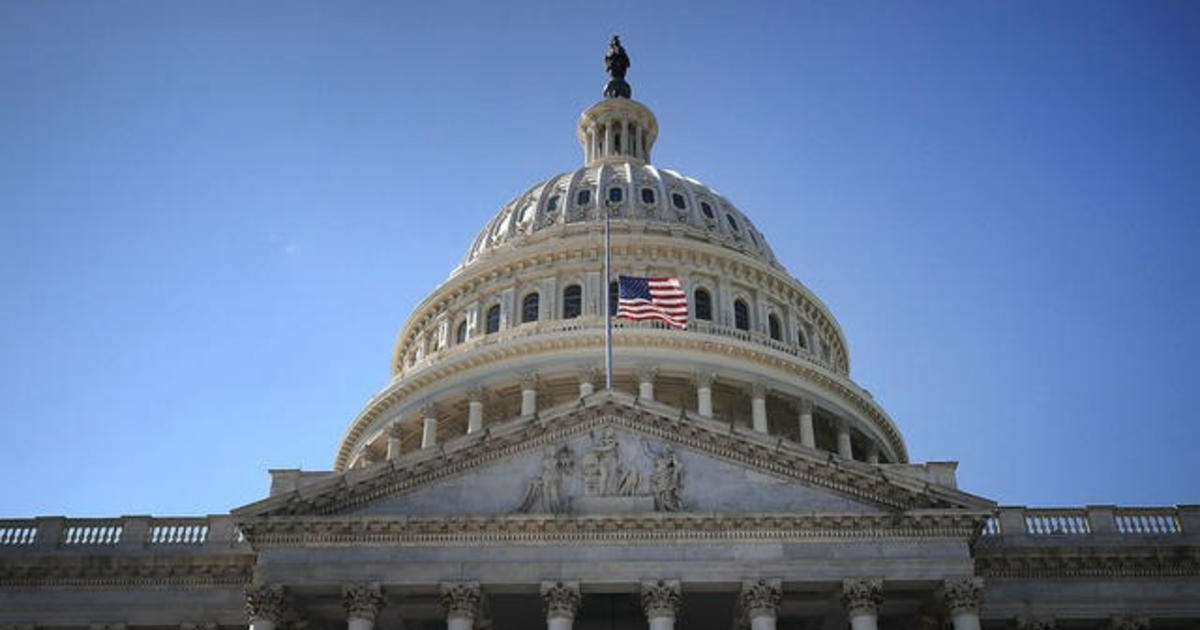
 CBS News
Trump signs short-term FISA extension; surveillance law will be maintained through April 30
 Associated Press
Trump signs bill extending controversial surveillance powers until April 30
Overview
President Donald Trump signed into law a short-term extension of Section 702 that pushes the program's expiration to April 30 after Congress approved a 10-day extension.
The extension follows failed bids for a clean 18-month renewal and a five-year proposal, both of which collapsed amid GOP divisions and demands for warrant reforms.
National security officials, including Gen. Josh Rudd and the White House, warned that adding a warrant requirement would slow threat response, while privacy advocates and lawmakers demanded significant reforms.
Supporters say Section 702 provided 97% of the FBI’s raw cyber reporting in 2023, and records show 119,383 U.S.-person queries in 2022 alongside a reported 90% drop in such queries between 2021 and 2022.
Lawmakers will resume negotiations when they return to Washington, with House leaders agreeing to post negotiation results at least 72 hours before any vote, and the administration said the FISA Court renewed program certifications for another year.
Analysis
Center-leaning sources frame the story as GOP chaos by foregrounding a late-night revolt and using evaluative verbs (e.g., "rushed," "collapsed in dramatic failure"). They prioritize conflict over technical policy, spotlighting heated floor exchanges as source content while treating national-security claims as officials' assertions, which downplays program defenses and civil-liberties nuance.